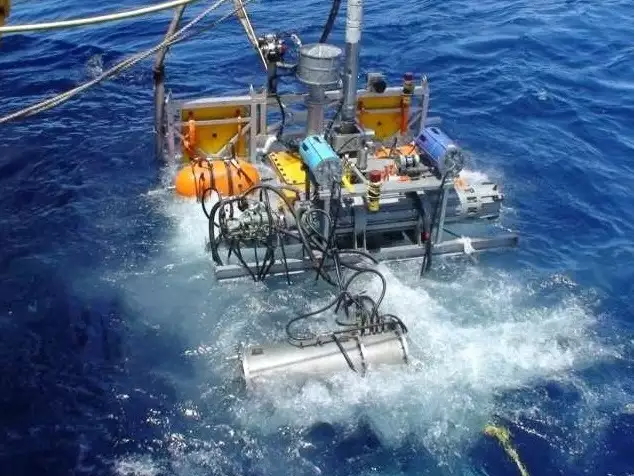
India has entered the race for deep-sea mining, applying for two licenses to extract critical metals like cobalt, copper, manganese, and nickel from the ocean floor.
These metals are pivotal for the green energy transition, fueling technologies such as electric vehicle batteries and solar panels.
The U.N.’s International Seabed Authority, overseeing the industry, issued 31 exploration licenses and is deliberating on future mining regulations.
Free daily brief — no card needed
Get every East Asia story in one morning email
We build you a personalized brief around the topics you follow — free for 7 days. Love it? Your first month after that is US$1.
Major powers like the U.S., China, and Russia seek undersea resources, anticipating high demand for lithium and cobalt.
International Energy Agency: Meeting climate goals needs up to 5x current lithium and 4x cobalt production by 2030. The expected demand will exceed the available land-based supplies.
India Joins the Deep-Sea Mining Race Amid Environmental Concerns.
The Clarion-Clipperton Zone in the eastern Pacific is a hotspot for these efforts, containing vast reserves of polymetallic nodules rich in essential metals.
Rio Times membership
Read everything we publish for US$1 in the first month.
This article was produced by The Rio Times’ automated AI newsroom. Editorial responsibility: Matthias Camenzind, Publisher and Editor-in-Chief. The Rio Times also runs Ask Rio Times, which answers from 100,000+ of our own articles, the daily Latin America Power Map, and prediction-market odds on elections and markets.. How we use AI · Report an error