Paris Museum Helps Foz do Iguaçu to Become a Beacon of Art and Culture
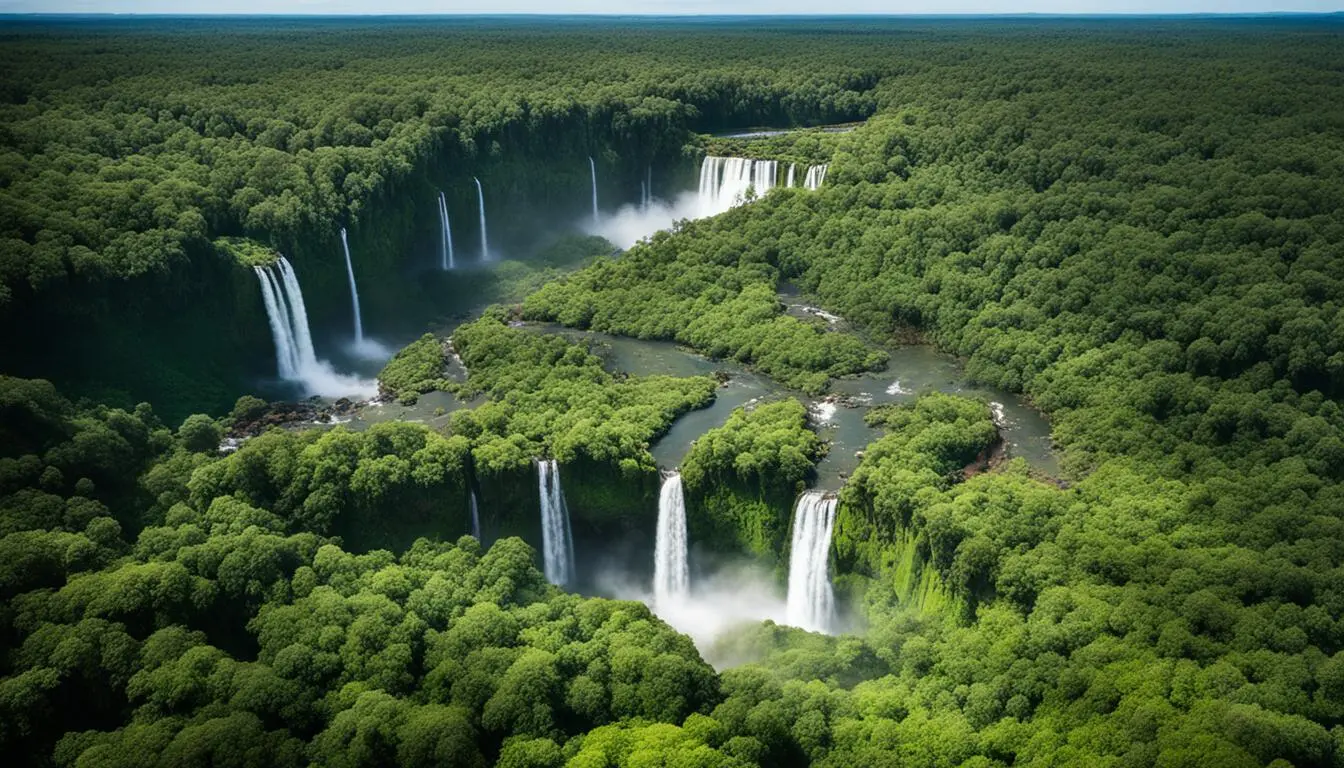
From a bird’s-eye view, the vast green expanse of the Iguaçu National Park in the Alto Paraná Atlantic Forest stands out starkly against the surrounding infrastructure.
Spanning 1,852 square kilometers and adjoining Argentina’s Iguazú National Park, the combined area totals 2,500 square kilometers.
For those yet to witness the majestic waterfalls, a visit to this natural wonder is highly recommended.
Additionally, it offers a stark contrast to the urban centers and shopping districts of nearby Ciudad del Este, Paraguay.
In a few years, Foz do Iguaçu will not only be celebrated for its natural beauty but also as a cultural hub.
Last month, the Paraná government inked a deal with Paris’s Centre Georges Pompidou to establish the International Art Museum of Foz do Iguaçu.
Scheduled to open in 2026, this museum promises to add a unique and innovative touch to the local tourism landscape.
In addition, the museum will be situated next to the airport on a 25,000-square-meter site donated by the CCR group.
It will feature a 10,000-square-meter building. The state government will invest R$200 ($36) million in the project.
Luciana Casagrande Pereira, Paraná’s Secretary of Culture, emphasizes that the aim is not to replicate the French model but to create something novel.
She envisions the museum as a third pillar of the region’s tourism, complementing the Iguaçu Falls and Itaipu Dam.
However, this development could transform the local landscape much like the Guggenheim Museum did for Bilbao, Spain.
A Blend of Natural Beauty and Cultural Heritage
The architect for this monumental project, Paraguayan Solano Benítez, is already making waves in the architectural world. He clinched the Golden Lion at the Venice Biennale of Architecture.
His connection to the tri-border areas of Brazil, Paraguay, and Argentina adds a local flavor to this international endeavor.
Iguaçu’s historical commitment to environmental preservation provides a rich backdrop to this cultural addition.
The park, officially established in 1939 under President Getúlio Vargas and expanded in 1981, encapsulates Brazil’s environmental policy evolution.
Notably, it houses the only hotel within a UNESCO World Heritage Site, the Hotel das Cataratas.
Built in the Brazilian colonial style, this pink-washed hotel offers guests exclusive, round-the-clock access to the falls, enhancing the blend of natural and human history.
Visitors today can experience a variety of natural and thrilling encounters. They can choose from the tranquil Macuco Safari or adrenaline-pumping boat rides close to the cascading waters.
These adventures echo Brazil’s deep-rooted environmental consciousness. Paulo Nogueira Neto, a pioneer in Brazilian environmental policy, highlights this in his writings.
This article was produced by The Rio Times’ automated newsroom system. How we use AI · Report an error
Read More from The Rio Times