Taiwan’s Ministry of Defense reported an unusual increase in Chinese military activity near its airspace.
This surge came after Taiwan’s presidential election, which saw Lai Ching-te of the Democratic Progressive Party triumph.
Beijing, viewing Lai as a “dangerous separatist,” had previously warned that his election could lead to “war and decline” for Taiwan.
Despite the regular presence of Chinese military forces around the island, a significant escalation occurred following the election.
Notably, Taiwan observed over 20 Chinese fighter jets, including J-11 and J-16 models, near its territory.
Some of these aircraft even crossed the median line of the Taiwan Strait, an informal boundary between China and Taiwan.
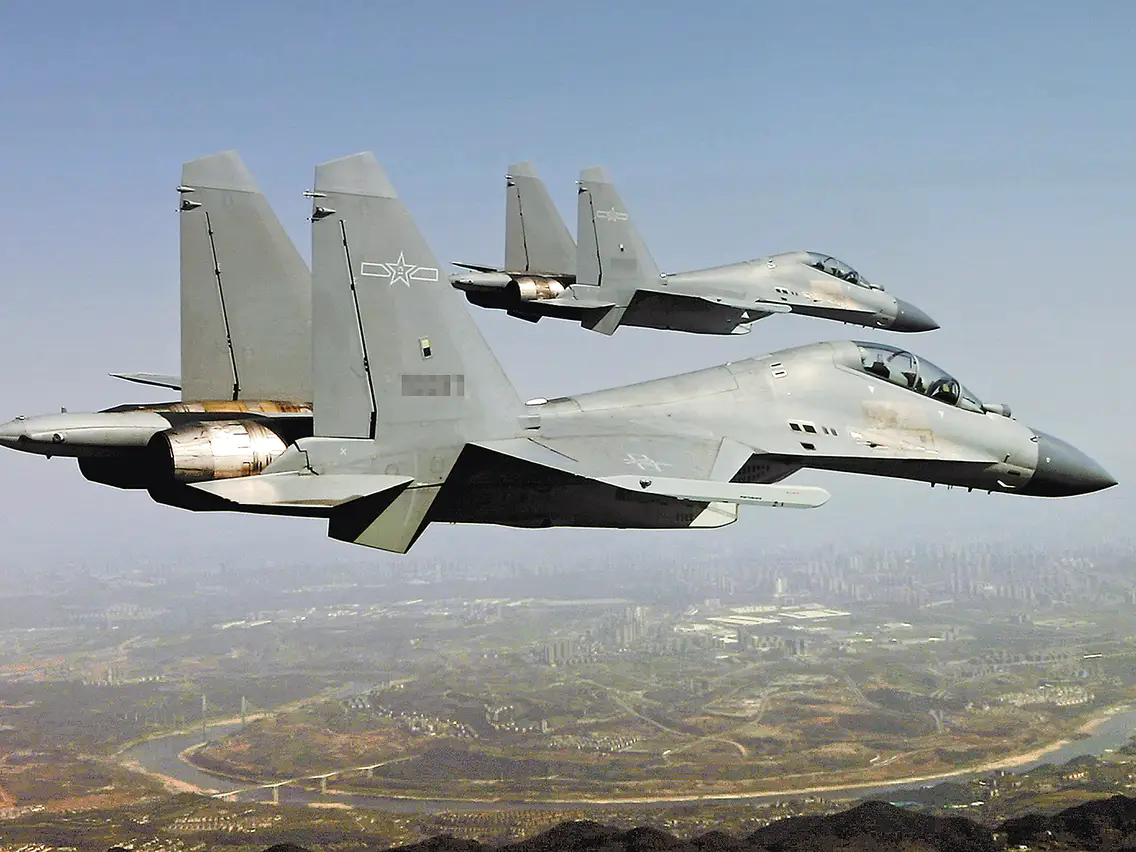
Taiwan, with its own democratic government, military, and currency, is regarded by China as a part of its territory, a claim Taiwan strongly disputes.
The Chinese government has consistently maintained its right to use force to bring Taiwan under its control, a stance that has heightened tensions in the region.
After the Taiwan election, Nauru shifted recognition to Beijing, deepening political tensions and leaving Taiwan with 12 allies. This move reflects China’s ongoing efforts to isolate Taiwan internationally.
However, Experts interpret China’s ongoing military maneuvers near Taiwan as a “grey zone” strategy.
This approach involves exerting pressure without escalating to full-scale conflict, thereby weakening the opponent gradually.
Additionally, China insists on aiming its military posture at deterring external interference and a minority of separatists, not the Taiwanese population.
Taiwan Strait developments highlight ongoing regional challenges, showcasing the complex and tense relationship between Taiwan and China.
This article was produced by The Rio Times’ automated newsroom system. How we use AI · Report an error
Read More from The Rio Times