Recent research reveals that high temperatures impact human behavior and cognition. Heat makes people more impulsive, aggressive, and unpleasant.
The New York Times highlighted several studies exploring this phenomenon.
In 2016, a study found that Boston students without air conditioning performed worse on math and self-control tests than those in air-conditioned dorms.
Another 2019 experiment showed video game players in hot rooms behaved more spitefully toward competitors compared to those in cooler environments.
Germany’s research aligns with these findings. Heidelberg University‘s GIScience Research Group addresses heat stress coping strategies for vulnerable groups in the HEAL project.
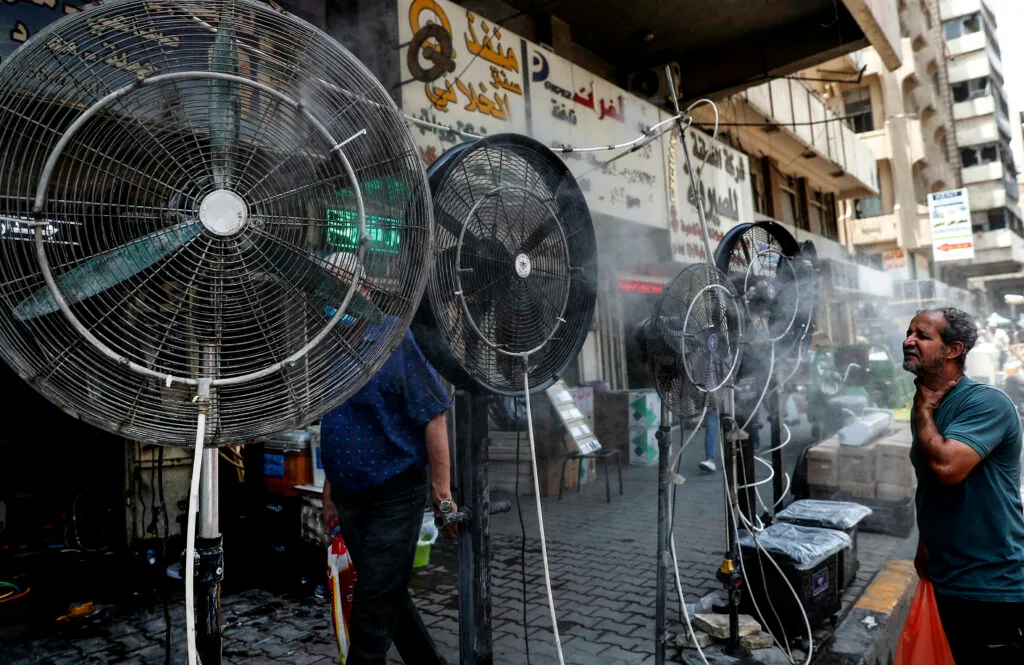
They discovered that heatwaves and extreme weather, intensified by climate change, significantly impact urban areas.
This increases health risks like heat strokes and worsens chronic conditions.
The HEAL project uses real-time sensor data to identify high-risk areas and develop heat-adaptive solutions for at-risk populations.
Moreover, the German media campaign “#Zusammenland—Diversity makes us strong” addresses the broader societal impacts of climate change.
It promotes resilience and community support in the face of these challenges.
Navigating Rising Temperatures:
These studies and initiatives highlight the broader implications of rising temperatures.
Heat affects individual performance and behavior and poses serious public health and urban planning challenges.
Climate change continues to increase the frequency and intensity of heatwaves. Understanding and mitigating these effects is crucial for public health and safety.
Governments and organizations must develop comprehensive strategies to address these challenges.
This includes enhancing urban planning to reduce heat stress, implementing real-time monitoring systems, and promoting community resilience.
Addressing the impacts of heat on cognition and behavior allows society to better prepare for and adapt to a warming world.
These strategies are vital, as heat-related issues extend beyond discomfort. They impact productivity, health, and overall well-being.
By recognizing and responding to these challenges, we can mitigate the adverse effects of heat and ensure a safer, more resilient future.
This article was drafted with automated assistance and reviewed before publication. How we use AI · Report an error
Read More from The Rio Times