US tech companies are ramping up security measures due to rising concerns over Chinese espionage.
Google, OpenAI, and Sequoia Capital have increased vetting for staff and potential hires.
Washington warns that China might infiltrate tech firms to steal secrets. This warning highlights the need for robust security protocols in the tech industry.
The French authorities echo these concerns. The French National Cyber Security Agency (ANSSI) reported that cyber espionage remained a significant threat in 2022.
Despite fewer ransomware attacks, ANSSI’s teams focused on counter-espionage.
Their “Cyber Threat Overview” details how the threat landscape has evolved, emphasizing the persistent risk posed by state-sponsored espionage.
Germany also highlights the geopolitical implications of espionage. The German government warns against collaborations with Chinese tech firms.
Additionally, they cite concerns about the risks of security vulnerabilities and intellectual property theft.
The potential for espionage extends beyond specific companies, aiming at broader technological advancements.
Germany’s stance underscores the broader European concern over cybersecurity and the integrity of critical infrastructure. Heightened security in the US tech sector has sparked fears of xenophobia.
Critics argue that stringent checks may unfairly target employees of Chinese descent, creating a culture of suspicion and discrimination. Balancing security and fairness presents a challenge.
Various reports, including those from CERT-FR, acknowledge the difficulty of implementing effective security measures without fostering an atmosphere of distrust.
Specialized Tools for Espionage Detection
Specialized firms now offer tools to detect and prevent espionage. Companies like Google and OpenAI engage with these firms to bolster their defenses.
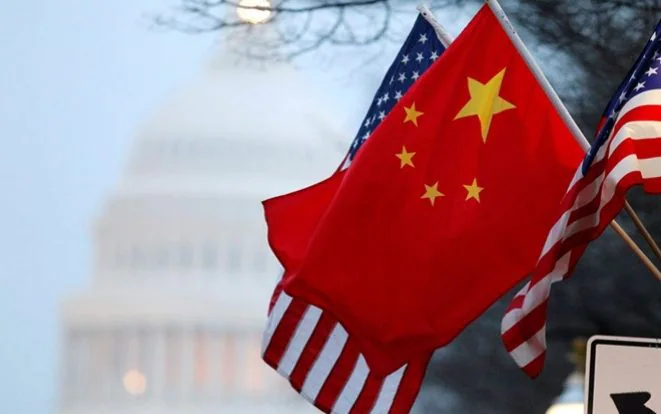
The tech industry stands at the frontlines of a geopolitical battle, underscoring the tensions between the US and China.
In addition, this situation reflects the complex interplay of technological advancement, national security, and international relations.
The importance of this issue extends beyond individual companies. Espionage can compromise national security and global technological leadership.
For instance, leaked intellectual property could give foreign competitors an edge, undermining the competitive advantage of US tech firms.
As such, tech firms and governments must navigate these threats carefully, ensuring robust security without fostering xenophobia.
This article was produced by The Rio Times’ automated newsroom system. How we use AI · Report an error · Editorial responsibility: Matthias Camenzind, Editor-in-Chief