
GUYANA · ENERGY
Villagers in Guyana’s Rupununi region, a southern savannah area on the Brazilian border, have told a company that wants to drill for oil on their land that they do not agree, according to the chairman of the local development board. Michael Williams, who chairs the North Rupununi District Development Board, said: “For the people of North Rupununi, we give a no-no to this.”
It matters to US readers because Guyana’s offshore oil fields are run by ExxonMobil, a US oil major, and onshore drilling would open a new front inland. The proposal is at an early stage, and no drilling permit has been announced.
Key Facts
- What Cataleya Petroleum, which calls itself Guyanese, wants onshore oil exploration in the Takatu Block, an exploration area.
- Who Michael Williams, chairman of the North Rupununi District Development Board, says villagers gave “a no-no”.
- When Cataleya met Nappi residents on Friday, 6 November, after an earlier meeting in Karasabai, both Rupununi villages.
- Next The company still needs approval from the Environmental Protection Agency (EPA) and the Ministry of Natural Resources.
- Open Block size, number of wells and investment have not been published.
The dispute is about who benefits. Williams says Guyana’s people have not yet gained from existing oil activity and asks how long the company would train local people.
What Villagers Said
Williams said Cataleya’s approach was meant to “buy the people to say yes”. He asked how villagers benefit from the wetlands and the Kanuku Mountains, a range in the Rupununi.
He added that people in Guyana have not yet benefited from existing oil activity, and he asked how long the company would train local people. The board represents 20 villages and more than 8,000 residents, local reports say, and these accounts are reported but not independently confirmed.
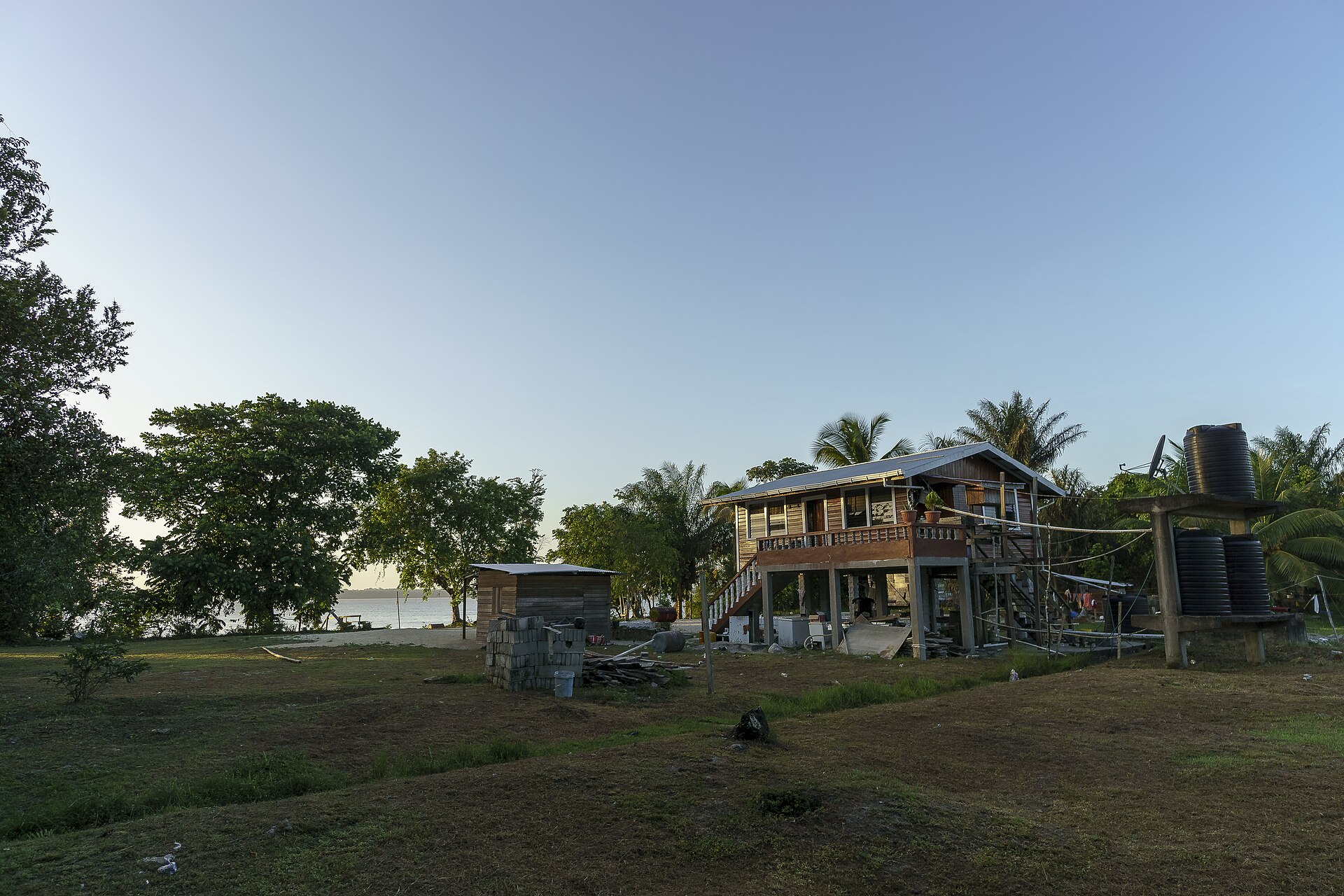
What Cataleya Proposes
Cataleya’s Takatu Project would test whether commercial quantities of oil and gas lie in the Takatu Block, an onshore oil exploration area in the Rupununi, and, the company says, whether oil found there in the 1980s can now be produced safely with new technology. According to a company document, it was founded in 2025 by Ryan Pereira, Michael Cawood and Ryan Ramjit.
Its plan lists reprocessing old seismic data (underground sound-wave surveys), testing well safety, running 3D seismic or aerial surveys and then drilling exploration wells. The company says it will first share information, seek the free, prior and informed consent of villages (their right to agree before a project starts), and obtain approval from the EPA, the national regulator, and the Ministry of Natural Resources.
A company spokesperson told villagers that Cataleya is a Guyanese firm that wants to explore with local staff. The company also lists local jobs, training, business opportunities and payments to the state if oil is produced.
What the Government Said
Natural Resources Minister Vickram Bharrat said in March that Cataleya had approval to talk to residents but that the government had not yet decided on its proposed activities. “They were asked to speak with the people first then apply,” he said.
He described the permit route: the EPA reviews an application and decides whether an Environmental Impact Assessment (a formal study of a project’s harm to nature) is needed, and citizens can object to its decisions through the Environmental Assessment Board, the appeals body for the agency’s decisions. Cataleya’s earlier meeting in Karasabai, a Rupununi village, took place on Saturday, 28 February.
What It Means for You
For investors in Guyana’s oil sector, this is a test of local land rights rather than a threat to current output, which comes from offshore fields; see ExxonMobil’s new offshore exploration permit for the offshore side. Any inland project would have to clear village consent and national permits first.
Readers following the country’s growth can also read about the flood risk that oil-fuelled growth brings. Our explainer on Guyana’s population and Indigenous peoples adds background on the communities involved.
What Is Not Known
The size of the block, the number of wells and the investment have not been published, and we found no EPA or ministry decision on the project. Cataleya’s own account of the 6 November meeting has also not been published in full.
Frequently Asked Questions
What is Cataleya Petroleum’s plan in Guyana?
Cataleya wants to explore for oil and gas onshore in the Takatu Block in the Rupununi. It says it will seek villagers’ consent and government approval first.
Who is Michael Williams?
He chairs the North Rupununi District Development Board, which local reports say represents 20 villages and more than 8,000 people. He says villagers reject the plan.
Is onshore drilling approved in the Rupununi?
No approval has been announced. The company needs approval from the EPA and the Ministry of Natural Resources, and the minister said in March that no decision had been taken.
Where is the Rupununi?
It is Guyana’s southern savannah region on the Brazilian border, known as Region Nine. Nappi and Karasabai are villages there.
Sources: Statements by Michael Williams, chairman of the North Rupununi District Development Board, 10 November 2026; Minister of Natural Resources Vickram Bharrat, March 2026; Environmental Protection Agency of Guyana: epaguyana.org; North Rupununi District Development Board: nrddb.org.
This article was produced by The Rio Times’ automated AI newsroom. Editorial responsibility: Matthias Camenzind, Publisher and Editor-in-Chief. The Rio Times also runs Ask Rio Times, which answers from 100,000+ of our own articles, the daily Latin America Power Map, and prediction-market odds on elections and markets.. How we use AI · Report an error