Guinea Opts Out of ECOWAS Eco Currency Before 2027 Launch
Guinea · Markets & Investment
Key Facts
- First opt-out. Guinea has become the first ECOWAS member state to announce it will not join the planned single currency, the eco, and will keep the Guinean franc.
- 2027 launch stands. The 12-member bloc reaffirmed at its 19 July summit in Lungi, Sierra Leone, that the eco will launch in 2027, starting with countries that meet convergence criteria.
- Asia-facing trade. Around 80% of Guinea’s exports go to Asia, and economists say Conakry fears losing monetary levers by tying its currency to neighbours.
- Task force seat. The summit welcomed Guinea’s request to join the Presidential Task Force on the eco, which must meet before the December 2026 summit.
- Open questions. The December meeting must settle the future central bank, decision-making rules and which countries adopt the eco first.
The Guinea eco currency decision marks the first public defection from West Africa’s flagship integration project. Conakry says it will keep the Guinean franc rather than join the monetary union ECOWAS wants to launch in July 2027.
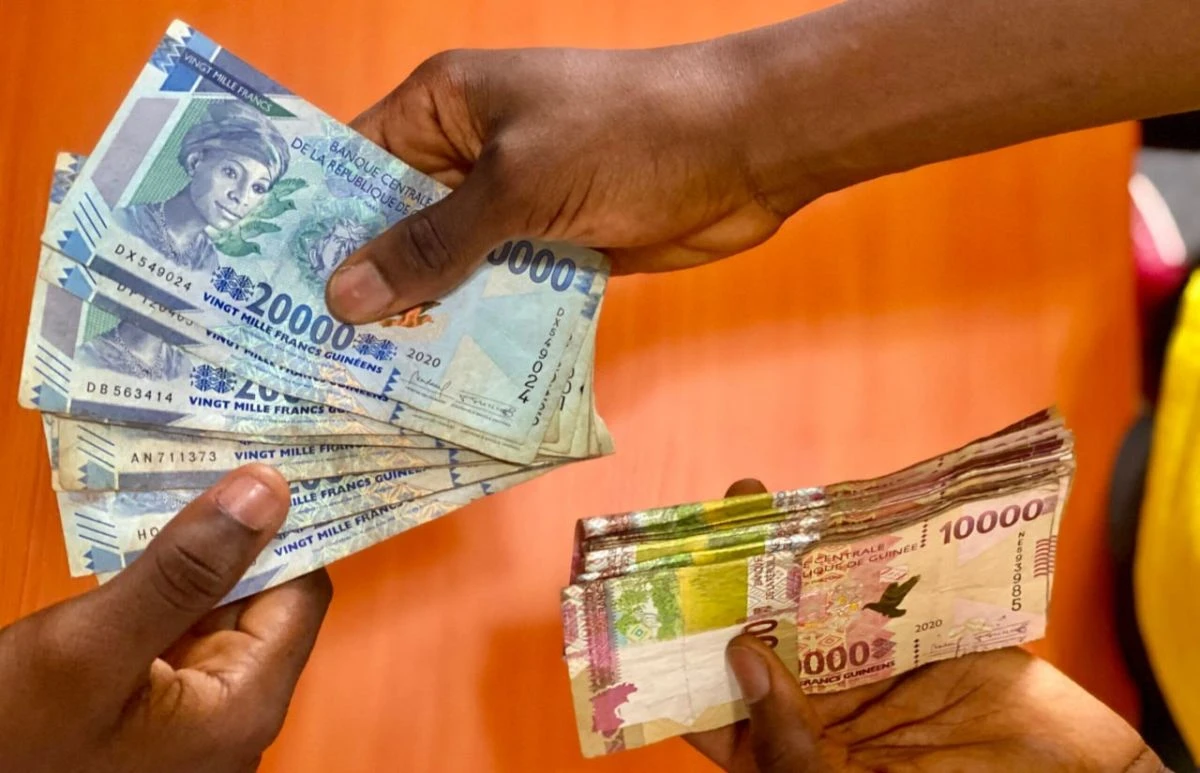
The announcement came barely two weeks after President Mamadi Doumbouya attended his first ECOWAS summit as an elected head of state. That 19 July gathering in Lungi, near Freetown, was meant to relaunch the bloc’s integration agenda after the departure of Mali, Burkina Faso and Niger.
Instead, Guinea has drawn the first clear line around the eco project. No other member of the 12-state bloc has publicly ruled itself out, and the move lands at a sensitive moment for the region’s monetary diplomacy.
What Conakry actually said
Guinean officials confirmed the country is opting out of the planned single currency and will retain the Guinean franc. It is the first unambiguous signal from any capital that participation in the eco cannot be taken for granted.
The timing is pointed. ECOWAS said last month it was leaning towards a phased rollout, in which only countries meeting convergence criteria on inflation, debt and monetary stability would join the first wave.
Guinea’s statement goes further than a delay. By ruling out adoption outright, Conakry has converted a technical conversation about readiness into a political one about consent.
The economic logic behind the snub
Analysts point to structure, not politics alone. Joining a monetary union before building sufficient production capacity could stifle the Guinean economy rather than protect it.
Geography of trade matters more. Roughly 80% of Guinea’s exports, led by bauxite and increasingly iron ore from Simandou, flow to Asia rather than to West African neighbours.
The economist Mohamed Camara told RFI that tying the franc to neighbouring states would cost Conakry levers of influence over its own economy. For a country whose customers sit in China and beyond, an independent currency remains a policy tool worth keeping.
A summit that promised momentum
The opt-out jars with the communiqué from Lungi. There, ECOWAS leaders reaffirmed the 2027 launch, starting with countries that meet the convergence criteria, and registered the name “ECO” as a trademark.
The same summit welcomed Guinea’s request to join the Presidential Task Force on the eco and directed the ECOWAS Commission to convene that task force before the December 2026 summit. Conakry now sits inside the project’s steering body while rejecting the product.
The bloc also directed the Commission, working with the West African Monetary Agency, to intensify consultations with central bank governors. Those talks now carry extra weight, because every other capital will be asked the question Guinea has already answered.
What it means for the eco
The eco has been delayed repeatedly since it was first mooted, and scepticism was already entrenched. Guinea’s move gives cover to any other member weighing the same step.
It also reshapes the December agenda. Leaders must still settle the future central bank, decision-making rules and the identity of first adopters, and they must now do so while managing an explicit opt-out.
History justifies the caution on both sides. The eco’s previous launch target was 2020, a date abandoned long before the pandemic-era fiscal strain made convergence even harder to reach.
For investors, the signal is mixed but legible. A phased eco anchored in convergence criteria may prove more credible than a big-bang launch, yet a fragmented start raises the transaction costs the currency was meant to eliminate.
What to watch
First, whether other members follow Guinea’s lead before December. Ghana and Nigeria have their own histories of caution on convergence, and one defection is easier to copy than to start.
Second, the task force meeting itself. Guinea’s seat at that table suggests Conakry wants influence over the design even as it rejects membership, a posture worth tracking in The Rio Times coverage of West Africa.
Third, the Simandou effect. As Guinea’s flagship iron ore project ramps up exports, the case for keeping a sovereign currency will only strengthen, a dynamic that sits inside the wider New Scramble for Africa in 2026.
Frequently Asked Questions
What is the Guinea eco currency decision?
Guinea has announced it will not join the eco, the planned ECOWAS single currency, and will keep the Guinean franc. It is the first of the bloc’s 12 member states to opt out publicly.
When is the eco supposed to launch?
ECOWAS leaders reaffirmed at their 19 July 2026 summit in Lungi, Sierra Leone, that the eco will launch in 2027. The rollout is expected to be phased, starting with countries that meet convergence criteria on inflation, debt and monetary stability.
Why did Guinea reject the eco?
Analysts say Conakry fears joining a monetary union before developing sufficient production capacity. Around 80% of Guinea’s exports go to Asia, so tying its currency to West African neighbours would sacrifice monetary levers for little trade benefit.
Does Guinea still have a say in the eco project?
Yes. The July summit welcomed Guinea’s request to join the Presidential Task Force on the eco and directed the ECOWAS Commission to convene it before the December 2026 summit. December’s meeting must settle the future central bank, decision-making rules and first adopters.
Connected coverage
This article was produced by The Rio Times’ automated newsroom system. How we use AI · Report an error
LatAm Markets: Live Signals → — real-time movers, turnover leaders and FX across Latin America.
Read More from The Rio Times