GUINEA-BISSAU · COUNTRY EXPLAINER
Key Facts
- —What it is A small West African country on the Atlantic coast, bordered by Senegal and Guinea, that has been under a military-backed political transition since November 2025.
- —Why it matters Guinea-Bissau sits in a strategically relevant corner of West Africa, yet its political instability and single-commodity economy make it one of the region’s least predictable states for outsiders.
- —The numbers The IMF projects real GDP growth of about 4.9% in 2026, after an estimated 5.5% in 2025, with cashew exports driving the economy.
- —The catch Official data are thin, and the transitional government has set elections for 6 December 2026.
- —Who is who Ilídio Vieira Té serves as transitional prime minister, while the transitional head of state is reported under inconsistent names, including General Horta Nta Na Man and Major-General Horta Inta-A.
- —What it means for you Anyone considering travel, investment, or relocation should treat the current political framework as transitional and verify every official procedure before acting.
Guinea-Bissau explained means understanding a small, cashew-dependent West African state now governed through a military-backed transition. It matters because the gap between the country’s formal constitution and its effective political system in 2026 is unusually wide.
Guinea-Bissau is a Portuguese-speaking country on West Africa’s Atlantic coast, wedged between Senegal to the north and Guinea to the south and east. This guide explains what a newcomer needs to know about its geography, people, political system, economy, society, and daily life as of October 2026.
Where Guinea-Bissau Sits and What It Is
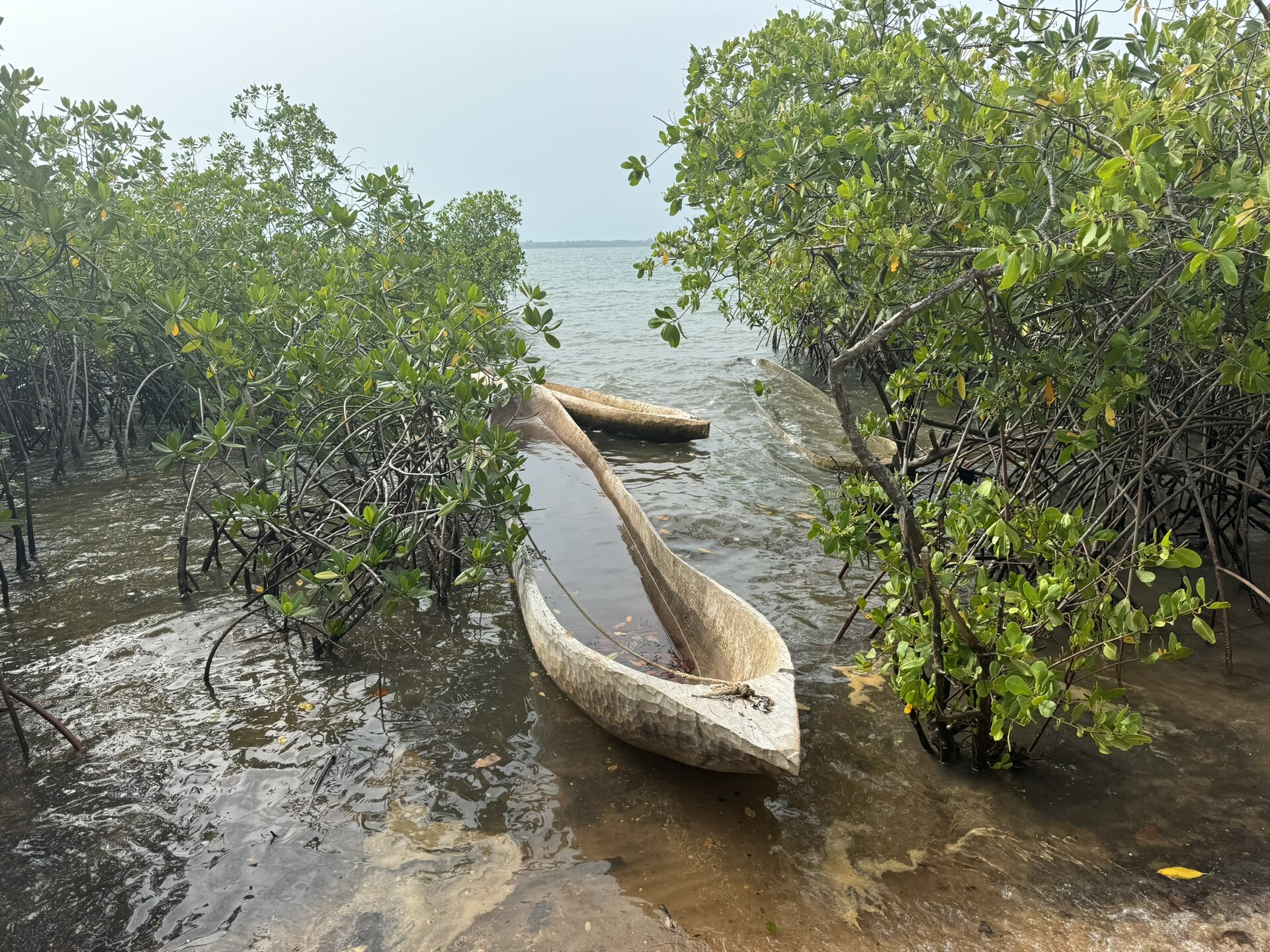
Guinea-Bissau occupies a compact coastal strip of West Africa, with a shoreline cut by deep river estuaries and an interior that rises gently toward the Fouta Djallon highlands. The country includes the Bijagós archipelago, a group of islands off the coast that is known for biodiversity and traditional communities. The capital is Bissau, a port city near the mouth of the Geba River.
The country’s small size and coastal geography have shaped its history. Portuguese traders and administrators arrived in the fifteenth century, and the territory became a Portuguese colony known as Portuguese Guinea. It remained under Lisbon’s control until a guerrilla war led by the African Party for the Independence of Guinea and Cape Verde (PAIGC) forced Portugal to recognise independence in 1974.
Since independence, Guinea-Bissau has experienced repeated coups, attempted coups, and political crises. The pattern has made the country a textbook case of what political scientists call a fragile state: formal institutions exist, but military and factional power often decide outcomes. That pattern reasserted itself in November 2025, when the military removed President Umaro Sissoco Embaló shortly after elections whose results had not yet been officially announced.
The Political System in 2026
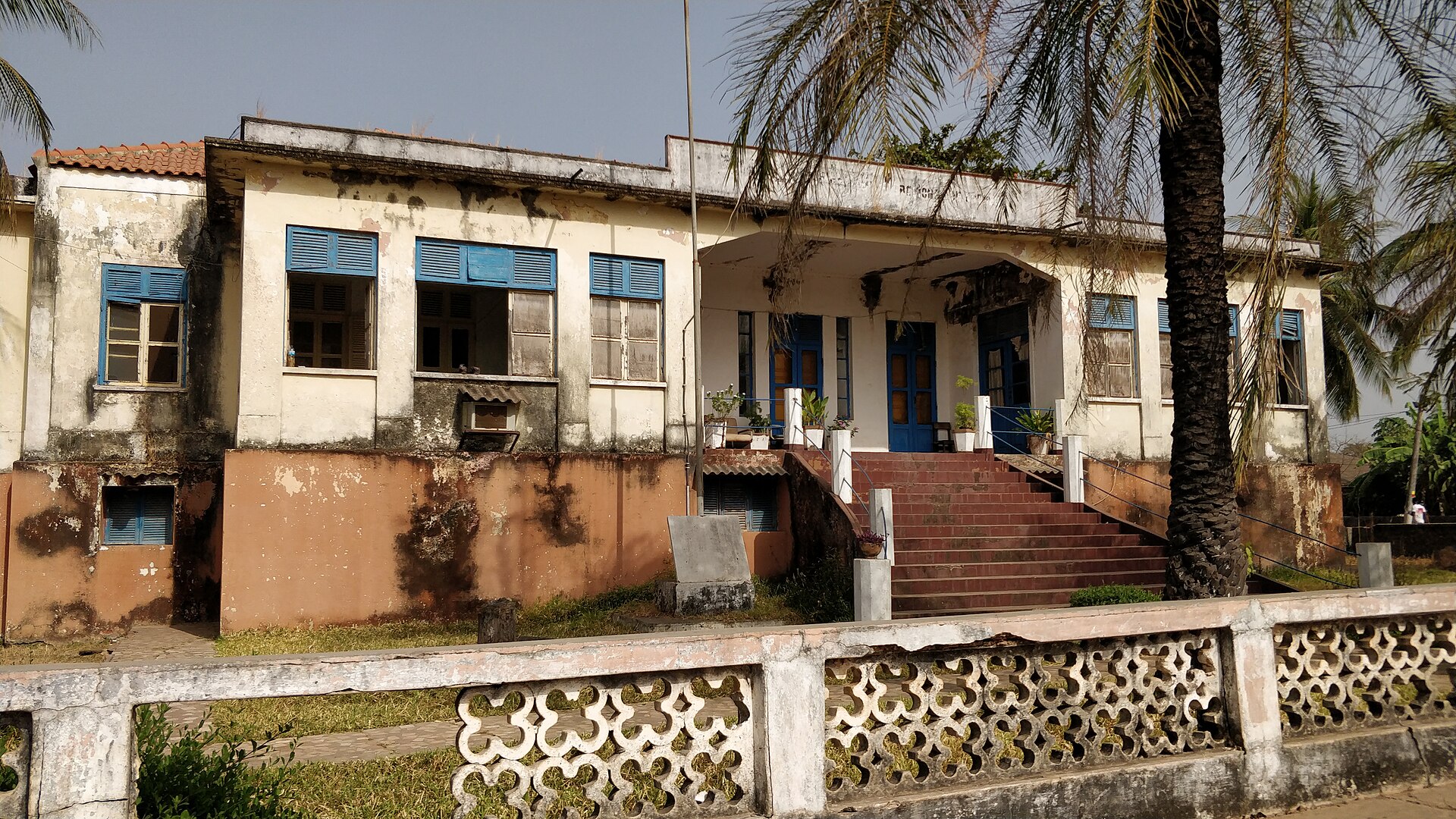
Formally, Guinea-Bissau is described as a semi-presidential republic, in which executive authority is divided between a president and a prime minister. The president is head of state, while the prime minister leads the government and answers to the National People’s Assembly. In practice, however, the military has exercised decisive authority since the November 2025 coup, while the civilian government operates within a transitional framework.
The available sources identify Ilídio Vieira Té as the transitional prime minister. The International IDEA country profile gives his start date as 28 November 2025, while the IFES Election Guide gives 29 November 2025. A Guinean news agency also identifies him as prime minister in August 2026. The one-day discrepancy reflects the broader difficulty of verifying official details during the transition.
The transitional head of state is reported inconsistently. International IDEA lists General Horta Nta Na Man as interim president from 27 November 2025. The IFES Election Guide lists General Horta Inta-A as chief of state from the same date. Reuters, via U.S. News, identifies the military leader as Major-General Horta Inta-A. A Portuguese-language report names him Horta Inta-a. These appear to refer to the same person, but the spelling and official styling should be checked against a decree, official gazette, or presidency communiqué before publication.
The transition has scheduled new presidential and legislative elections for 6 December 2026, although one election-monitoring source says the date was not yet confirmed. The military authorities have suspended or restricted normal political activity, including demonstrations and political gatherings, according to the reported communiqué of the High Military Command.
The Ousted President and the Return Question
Former president Umaro Sissoco Embaló announced plans to return to Guinea-Bissau on 4 October 2026 and said he intended to contest the December presidential election. On 1 October, the High Military Command reportedly said that security conditions were insufficient to allow his return, citing national security and public-order concerns. The standoff over his return is one of the clearest signals that the transition remains contested.
The presidency website still features material referring to Umaro Sissoco Embaló and Rui Barros, including a headline stating that the president appointed Rui Barros prime minister. Those pages may be archived, stale, or inadequately updated. They should not be used to state that either person currently holds office in October 2026.
The Economy: Cashews, CFA Francs, and Weak Data
Guinea-Bissau remains highly dependent on cashew nuts, both for exports and for rural household incomes. The IMF’s 2026 material projects real GDP growth of about 4.9% in 2026, with cashew export volumes and prices expected to remain broadly similar to 2025 levels. Estimated real GDP growth in 2025 was approximately 5.5%, according to the IMF.
The 2026 budget aims to reduce the overall deficit to approximately 4% of GDP. Economic prospects depend significantly on continued cashew exports and private investment.
Guinea-Bissau uses the West African CFA franc, the currency of the West African Economic and Monetary Union (UEMOA). Monetary policy is conducted regionally by the Central Bank of West African States (BCEAO). The BCEAO’s 2025 annual report says the UEMOA economy grew 6.7% in 2025, compared with 6.2% in 2024, while average annual inflation fell to 0% in 2025 from 3.5% in 2024. Those figures are regional and should not be presented as Guinea-Bissau-specific growth or inflation data.
The Council of Ministers approved a draft decree setting a private-sector minimum wage of 50,000 CFA francs on 22 September 2026. Trade unions said the amount remained insufficient relative to the cost of living. A Guinean news report described fuel shortages and the reopening of service stations in August 2026, pointing to ongoing pressure on basic services.
| Indicator | Figure | Period and source |
|---|---|---|
| Real GDP growth, Guinea-Bissau | Approximately 5% | 2026 projection, IMF |
| Real GDP growth, Guinea-Bissau | Approximately 5.5% | 2025 estimate, IMF |
| Budget deficit target | Approximately 4% of GDP | 2026 budget, IMF |
| UEMOA regional growth | 6.7% | 2025, BCEAO |
| UEMOA regional inflation | 0% | 2025, BCEAO |
| Private-sector minimum wage | 50,000 CFA francs | September 2026, Council of Ministers |
Society and Daily Life
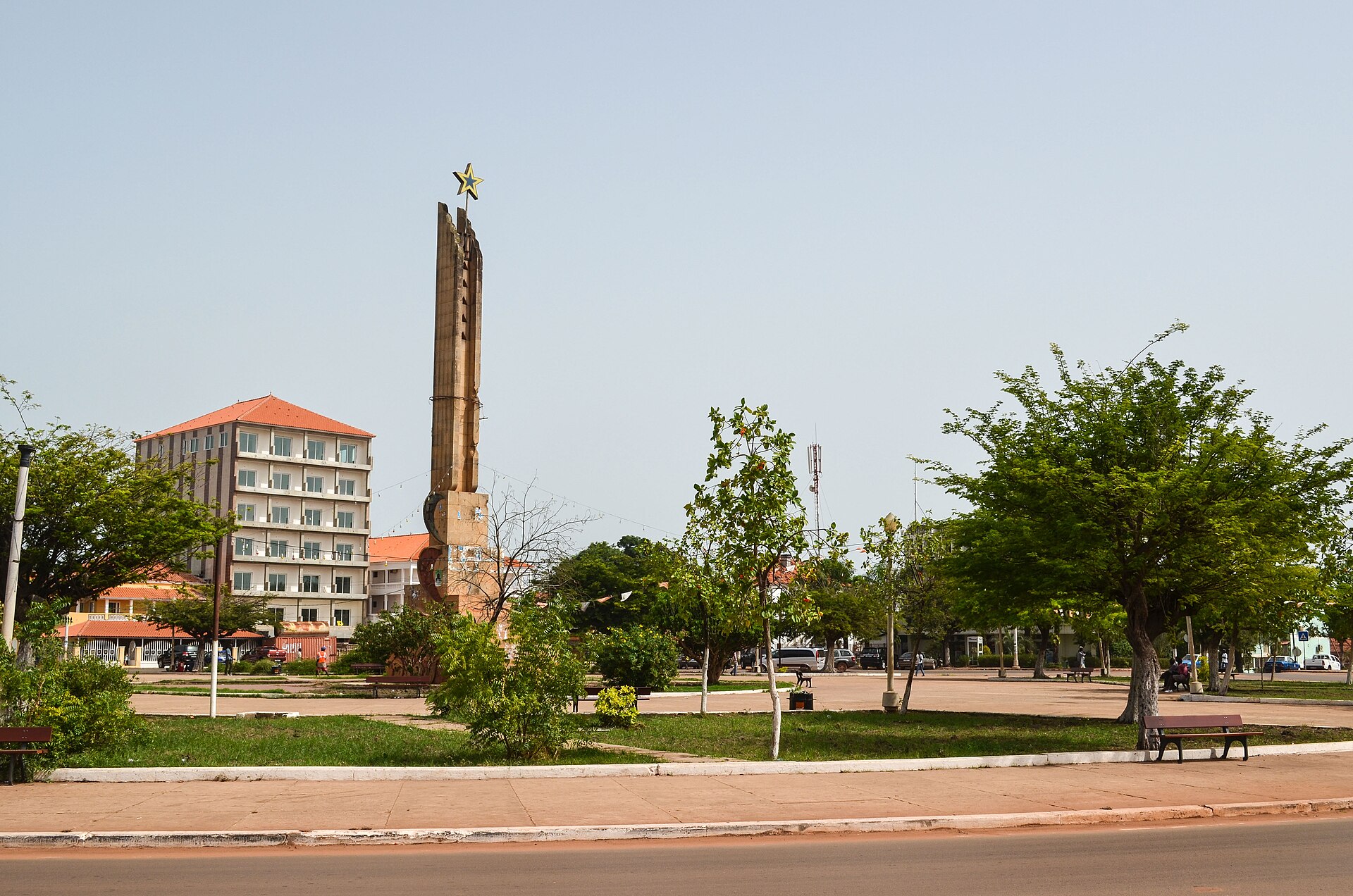
Guinea-Bissau is a multilingual society where Portuguese is the official language, but Crioulo, a Portuguese-based creole, serves as the lingua franca for much of the population. Ethnic groups include the Balanta, Fula, Manjaco, Mandinga, and Papel, among others. Religious practice is diverse, with Islam, Christianity, and traditional African religions all present.
Daily life for most Guineans revolves around agriculture, fishing, and small-scale trade. Cashew cultivation is central to rural livelihoods, with many households depending on the annual harvest for income. Urban life, particularly in Bissau, is shaped by the rhythms of the port, government offices, and informal markets.
The current search results do not establish reliable figures for population, urbanisation, health, education, electricity, internet, transport, or poverty. That absence is itself a fact about Guinea-Bissau in 2026: the statistical infrastructure is weak, and outsiders should not assume that standard demographic or social indicators are readily available or up to date.
What the Transition Means for Foreigners and Investors
For newcomers, the principal distinction is between Guinea-Bissau’s formal constitutional system and its effective political system in 2026. Formally, the country is a semi-presidential republic. In practice, the military has exercised decisive authority since November 2025, while the civilian government operates within a transitional framework.
This creates several practical risks for investors and expatriates. There is uncertainty over the constitutional status and powers of transitional institutions. Laws, appointments, and administrative procedures could change. Demonstrations and political gatherings are restricted. Statistical coverage is weak, with delayed national accounts. The economy depends heavily on one export commodity, cashew. Fuel supply and public services have shown signs of disruption.
Anyone considering business or residence should verify current visa, residency, tax, land-ownership, company-registration, and repatriation rules directly with Guinean authorities. The search results do not establish those rules, and they may be subject to change during the transition. The same caution applies to banking, foreign direct investment, and tourism data, for which reliable 2026 figures are not available in the current material.
What to Watch
The clearest date on the horizon is 6 December 2026, when the transition has scheduled new presidential and legislative elections. One election-monitoring source says the date was not yet confirmed, so the timetable itself remains an open question. The electoral commission arrangements and the legal framework governing the vote should be watched closely.
The standoff over former president Umaro Sissoco Embaló’s planned return on 4 October 2026 is another flashpoint. The High Military Command has said security conditions are insufficient for his return, while Embaló says he intends to contest the December election. How that dispute is resolved will shape the transition’s credibility.
Beyond politics, watch the cashew season and the BCEAO’s regional monetary policy. Cashew export volumes and prices will determine short-term economic performance. The BCEAO’s regional inflation and growth figures, while not Guinea-Bissau-specific, set the monetary environment in which the country operates. The IMF’s next review will also be a key signal for investors.
Finally, watch the data. Official statistics remain thin. Any improvement in statistical coverage would be a meaningful signal of institutional recovery. Until then, every figure about Guinea-Bissau should carry a date, a source, and a healthy dose of caution.
Frequently Asked Questions
Is Guinea-Bissau safe for foreigners in 2026?
Guinea-Bissau is under a military-backed political transition, with restrictions on demonstrations and political gatherings. Anyone considering travel should monitor security conditions and verify current procedures with official sources before acting.
What currency does Guinea-Bissau use?
Guinea-Bissau uses the West African CFA franc, the currency of the West African Economic and Monetary Union. Monetary policy is conducted regionally by the Central Bank of West African States (BCEAO).
Who is the president of Guinea-Bissau in 2026?
The transitional head of state is reported inconsistently in available sources, including as General Horta Nta Na Man and Major-General Horta Inta-A. The official name, rank, and legal title should be verified against a decree or official gazette.
What is Guinea-Bissau’s main export?
Cashew nuts are Guinea-Bissau’s main export and central to rural household incomes. The IMF projects real GDP growth of about 4.9% in 2026, with cashew export volumes and prices broadly similar to 2025 levels.
When are the next elections in Guinea-Bissau?
The transition has scheduled new presidential and legislative elections for 6 December 2026, although one election-monitoring source says the date was not yet confirmed.
What language is spoken in Guinea-Bissau?
Portuguese is the official language, while Crioulo, a Portuguese-based creole, serves as the lingua franca for much of the population. Multiple ethnic groups and languages are present across the country.
Sources: dw.com, correiodamanhacanada.com, dw.com, usnews.com, bceao.int, presidencia.gw. Retrieved 2 October 2026.
This article was produced by The Rio Times’ automated newsroom system. How we use AI · Report an error · Editorial responsibility: Matthias Camenzind, Editor-in-Chief
Read More from The Rio Times