Guatemala Property Tax Reform: 45 Towns Collected Nothing in 2025
Guatemala · Economy
Key Facts
- —The gap In 2025, 45 of Guatemala’s 340 municipalities collected zero from the IUSI, the country’s single property tax, according to think-tank Icefi.
- —The split Icefi says about 40 of those towns never administered the tax at all, while 5 had it on the books but still took in nothing.
- —The concentration Nationwide IUSI brought in roughly Q1.85 billion (about US$243 million); the department of Guatemala alone accounted for 77% of it.
- —The fix A reform (Decree 18-2026) earmarks stamp tax on repeat property sales for the town where the property sits, aiming to help the empty-handed municipalities.
- —The timing Congress approved the reform on July 29, 2026; it now awaits President Bernardo Arevalo’s signature, with the property-tax changes taking effect 90 days after publication.
A new stamp-tax rule tied to property sales is meant to steer money toward the poorest town halls. Yet analysts warn it arrives with no safety net for the cities that lean on the levy.
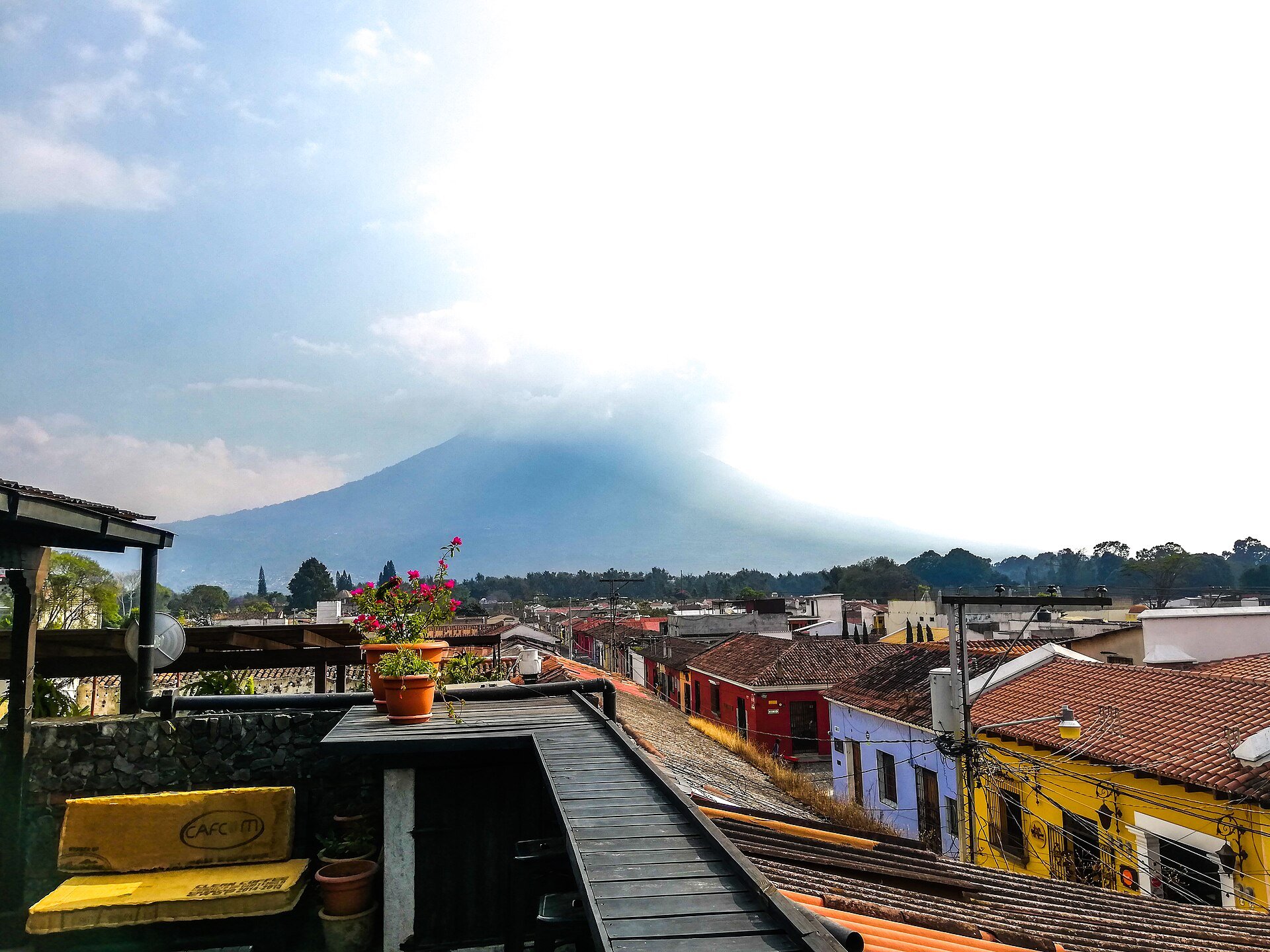
A quiet corner of Guatemala property tax policy has exposed a striking gap in how local governments raise their own money. New data shows that 45 of the country’s 340 municipalities collected nothing at all from the levy last year.
As lawmakers rework the tax, that gap is now shaping who wins and who loses.
The 45 towns that collected zero
The number comes from Icefi, a respected Central American fiscal think-tank, and was first detailed by Prensa Libre. It found that 45 municipalities recorded no IUSI income whatsoever during 2025.
In fact, the picture splits in two. Roughly 40 of those towns never really administered the tax.
While about 5 had it written into their books yet still collected nothing.
What the IUSI actually is
IUSI stands for Impuesto Unico Sobre Inmuebles, Guatemala’s single tax on real estate. Owners pay a small annual rate based on the registered value of their land and buildings.
Crucially, it is a municipal tax by law. Because of that, each town hall collects it and, in most cases, keeps the money to pay for local services and infrastructure.
How lopsided the money really is
Across the country, IUSI raised about Q1.85 billion in 2025, roughly US$243 million at current rates. Yet that money is far from evenly spread.
In fact, it is remarkably concentrated in a handful of urban centers. The department of Guatemala alone accounted for about 77% of the national total.
Guatemala City by itself brought in close to 41%, while five metropolitan towns together gathered about two-thirds.
Why so many towns collect nothing
In much of rural Guatemala, the machinery to charge the tax simply does not exist. Moreover, many small town halls lack updated property records, trained staff, or a working billing system.
As a result, the levy stays on paper. For these places, the reform arriving from Congress could matter more than it does for the wealthy capital.
The Guatemala property tax reform in plain terms
The overhaul, known as Decree 18-2026, was approved by Congress on July 29, 2026. Its headline change sets homes and mixed-use property at zero per thousand, effectively scrapping their IUSI.
Commercial real estate still pays, on a rising scale of 3, 6, or 9 per thousand of registered value. So the tax survives for shops and offices, but disappears for family homes.
The stamp-tax lifeline for empty coffers
To soften the blow to town budgets, the reform adds a new twist to the stamp tax. Revenue from the stamp on second and later sales of a property will now go to the town where that property sits.
This is the mechanism meant to help the 45 zero-income municipalities. In theory, even a town that never charged IUSI could start seeing money whenever local properties change hands.
No transfer to the central government
It is worth clearing up a common confusion. The reform does not hand IUSI collection over to the national tax authority, the SAT, or to the finance ministry.
The tax stays municipal, just as it has been under the 1998 law. Instead, what changes is the rate structure and the new stamp-tax share, not who does the collecting.
Who wins and who loses
For homeowners, especially in cities, the reform is plain relief. Once the rules take hold, their annual property bill effectively vanishes.
For the town halls that actually collect well, it is a real hit. Guatemala City and its neighbors stand to lose a dependable revenue stream that funded local services.
The warnings from analysts
Icefi called the reform necessary but flawed, saying Congress left several problems unresolved. Chief among them, critics note, is the absence of a proper compensation fund for the towns that lose the most.
Both Icefi and the finance ministry have described the change as a regressive relief. In practice, it hands the biggest savings to owners of higher-value urban homes.
What happens next
The decree now sits with President Bernardo Arevalo, who can sign it or veto it. If he signs, the property-tax changes take effect 90 days after publication.
Other pieces, including the stamp-tax and income-tax tweaks, are set to start on January 1, 2027. Until then, the old rules and the old uneven map of collection remain in place.
Background: Brazil Tax Reform Timeline: Tech Sector Faces 2026 Invoice Shock.
More: Latin America news in English, every day from The Rio Times.
Frequently Asked Questions
What does the 45 municipalities figure mean?
It refers to 45 of Guatemala’s 340 municipalities that collected zero from the IUSI property tax in 2025, according to think-tank Icefi. About 40 never administered the tax, and 5 had it legislated but still took in nothing.
Does the reform move the Guatemala property tax to the central government?
No. The IUSI remains a municipal tax, as it has been under the 1998 law. The reform changes the rates and adds a stamp-tax share for towns, but municipalities still collect the tax themselves.
How will the 45 empty-handed towns benefit?
Decree 18-2026 earmarks the stamp tax on second and later property sales for the municipality where the property is located. Even a town that never charged IUSI could gain revenue when local properties change hands.
When do the changes take effect?
Congress approved the reform on July 29, 2026, and it awaits President Arevalo’s signature. If signed, the property-tax changes begin 90 days after publication, while stamp-tax and income-tax changes start on January 1, 2027.
Connected Coverage
Sources: Prensa Libre; Icefi; La Hora; Agencia Ocote; Ojoconmipisto.
This article was produced by The Rio Times’ automated newsroom system. How we use AI · Report an error
Read More from The Rio Times