Wellington Buys Sabesp: US$1.3 Trillion Manager Goes Underweight US, Overweight Brazil
Brazil · Markets
Key Facts
- Two words: Wellington buys Sabesp
- Asset scale: Wellington manages ~US$1.3 trillion, with over US$34 billion on the strategy platform.
- Position size: Sabesp is now among the fund’s ten largest holdings.
- Underweight US: The global fund holds less US stock than its benchmark, favoring Europe, healthcare, and real estate.
- Sabesp privatization: São Paulo state cut its stake from 50.3% to 18.3% in 2024, raising R$14.8 billion (~US$2.84 billion).
- Valuation report: Independent report (July 2026) values Sabesp at R$85.42 billion (~US$16.4 billion), implying R$24.36 (~US$4.68) per share.
- Market context: Sabesp ADR trades around US$4.60, with secondary data showing Wellington holds ~10.5 million shares (~US$64 million).
Wellington’s global fund adds Sabesp to top-10 holdings as it shifts away from US equities, citing attractive valuation and growth potential in Brazil’s privatized water giant.
Global asset manager Wellington Management—with US$1.3 trillion under management—has bought shares of Brazil’s Sabesp (SBSP3), making it one of the ten largest positions in its global fund. This strategic move—Wellington buys Sabesp—comes as the firm deliberately underweights the US market, signaling confidence in Latin America’s largest water utility.
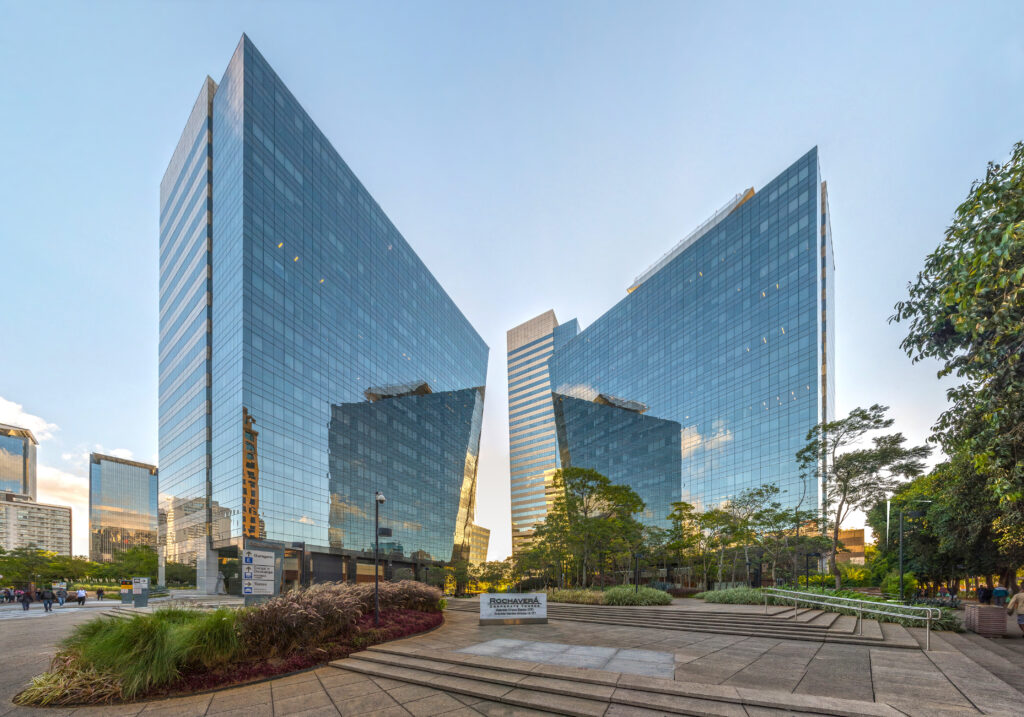
Why Wellington is betting on Sabesp
Laura Howenstine, Investment Director of Wellington’s Global Quality Growth strategy, explains that the fund is positioned underweight the US, overweight Europe, healthcare, and real estate. Sabesp, now a top-10 holding, fits this cautious yet selective approach, offering steady cash flows and a defensive profile that appeals in uncertain markets.
The purchase reflects a broader trend of international investors seeking value outside overvalued US equities. Sabesp’s privatization in 2024, which reduced the state’s stake from 50.3% to 18.3%, unlocked operational efficiencies and attracted strategic investors like Equatorial (EQTL3), which bought 15% for R$6.9 billion (~US$1.32 billion).
This is not just a passive index bet. Wellington’s active choice highlights a conviction that Brazil’s utility sector offers better risk-adjusted returns than many developed-market peers.
For a fund of this scale, even a small position can move markets. The fact that Sabesp made it to the top-10 list suggests the team sees multi-year upside.
The Global Quality Growth strategy’s approach is to look for businesses with durable competitive advantages. Sabesp’s monopoly-like position in São Paulo state fits that profile perfectly.
Live Company IntelligenceCompanhia de Saneamento Básico do Estado de São Paulo – SABESP — the full investor dossier
Valuation & profitability
Price & risk
$23.0152-wk high
$35.32
Revenue trend · 6y
Ownership
Dividend
Sabesp’s financial and market position
According to an independent valuation report from July 2026, Sabesp’s market-value equity stands at R$85.42 billion (~US$16.4 billion), implying R$24.36 (~US$4.68) per share. The ADR trades around US$4.60, suggesting the market sees room for appreciation.
As the water and sanitation utility for São Paulo state, Sabesp provides essential services with predictable demand. The company’s privatization has led to improved governance and investment capacity, making it an attractive long-term holding for global funds like Wellington.
Secondary market data indicates Wellington held roughly 10.5 million Sabesp-linked shares after increasing its stake in Q1 2026, valued at an estimated US$64 million—though these figures are approximate and not officially confirmed.
That implied value per share is about 5.9% above the current ADR price, a modest but positive signal. The discount may narrow as more foreign investors become familiar with the story.
The privatization process itself was a milestone: by cutting the state’s stake to 18.3%, the company gained more independence to pursue efficiency and expansion.
This newfound flexibility is key. Sabesp can now invest in infrastructure upgrades without as much political interference, which should improve service quality and financial returns.
Why this matters for LatAm investors
For investors focused on Latin America, Wellington’s move is a powerful endorsement: a US$1.3 trillion giant sees Brazil as a safer bet than the US. It underscores the growing appeal of privatized infrastructure assets in the region, which offer stable returns and inflation protection.
As global fund flows shift, Brazilian equities—especially utility plays like Sabesp—stand to benefit. This could lift valuations across the sector, creating opportunities for both local and foreign investors looking to tap into the country’s economic recovery.
The underweight US stance is a contrarian call in a market that has been led by tech giants. Wellington’s preference for value and defensive sectors implies a rotation that could favor Brazilian assets.
If more global managers follow suit, Sabesp could see increased liquidity and a potential rerating. That would be a positive tailwind for all Brazilian utilities.
For LatAm investors, this is a signal to pay attention to companies with strong fundamentals and strategic repositioning, not just headline growth.
Brazil retail sales show mixed signals
In separate data, Brazil’s retail sector showed resilience: official IBGE figures show June retail sales rose 0.5% month-on-month, beating forecasts. The private Stone retail index also climbed 0.9% in July—a second consecutive monthly gain, hinting at steady consumer demand.
However, Stone cautioned it’s ‘still too early to talk about an improvement,’ noting the recovery is fragile. For investors, this mixed picture suggests caution, but it also reflects a potential base for growth, especially if interest rates ease further.
The positive retail data supports the idea that Brazil’s domestic economy is not collapsing, which is important for utility demand. Even if growth is slow, steady consumption means steady water usage.
Yet the fragility Stone highlights reminds us that nothing is guaranteed. Political noise and fiscal concerns could still derail the recovery.
For Sabesp, though, this is less of a concern. Water demand is inelastic, so even a weak economy would not hurt its core business much.
What this means for your portfolio
If you’re considering Brazilian exposure, Wellington’s Sabesp purchase highlights the value in privatized utilities. These assets combine essential services with improving profitability, making them a defensive anchor in a diversified portfolio.
However, remember that global funds like Wellington also hedge by underweighting the US—a sign of broader market uncertainty. You should weigh the potential for Brazilian growth against geopolitical risks and currency volatility, ideally with professional advice.
Sabesp’s valuation per share (R$24.36 ~US$4.68) suggests a modest upside from current levels, but the real story is operational improvement. As the company invests in infrastructure, long-term returns could outperform the market, especially if Brazil’s economy accelerates.
The ~5% discount from the implied fair value is not huge, but it does offer a margin of safety for patient investors. If the company meets its targets, that gap could widen.
Diversification is key, so even with a signal like this you shouldn’t put all your eggs in one basket. Combine Sabesp with other sectors or regions to manage risk.
Also, keep an eye on currency movements. A stronger real would boost returns for foreign investors, but a weaker one could offset gains.
The global context: Why Wellington is cautious on the US
Wellington’s decision to underweight the US is based on a mix of high valuations and slower growth prospects. In contrast, emerging markets like Brazil offer higher potential returns with less crowding.
For Brazilian investors, this global trend could mean more foreign capital flowing into local assets. That could strengthen the real and boost the stock market as a whole.
Ultimately, Wellington’s move is a vote of confidence in Brazil’s long-term story. When a US$1.3 trillion manager decides to buy, it’s worth paying attention.
Background: Brazil Tax Reform Timeline: Tech Sector Faces 2026 Invoice Shock.
Background: Fintechs and Digital Banks in Brazil 2026: Market Guide.
More: Brazil news, every day from The Rio Times.
Frequently Asked Questions
Why did Wellington buy Sabesp shares?
Wellington sees Sabesp as a defensive, high-quality utility with strong cash flows, especially after its privatization. The fund is underweighting the US market and sees better value in Brazil, making Sabesp a top-10 holding.
Is Sabesp a good investment for foreign investors?
Yes, especially for those seeking stable infrastructure exposure. The independent valuation suggests fair value around R$24.36 per share, and the ADR offers easy access. However, currency risk and political factors should be considered.
What does it mean to be ’underweight’ the US?
Underweight means Wellington’s fund holds a smaller percentage of US stocks than its benchmark index. This is a strategic bet that other regions, like Europe and Brazil, will perform better.
How has Sabesp performed since privatization?
Since the 2024 privatization, Sabesp has improved efficiency and governance. The state’s stake reduced from 50.3% to 18.3%, and the company has attracted strategic investors. The valuation report from July 2026 shows a solid equity value of R$85.42 billion (~US$16.4 billion).
Connected Coverage
São Paulo Water Giant Sabesp Thrives Under Private Control
Water crisis leads Sabesp to reduce pressure, causing water shortages in Brazil’s São Paulo
Sources: InfoMoney – Gestora de US$ 1,3 tri defende precaucao nos mercados, foge dos EUA e compra Sabesp; Valor – Varejo registra segunda alta consecutiva em julho, mas ainda cedo para falar em melhora, diz Stone; Reuters – US retail sales unexpectedly fall in July; MoneyTimes – Sabesp (SBSP3) dois anos apos privatizacao: mercado ve execucao solida e tese ainda atrativa
This article was drafted with automated assistance and reviewed before publication. How we use AI · Report an error
Read More from The Rio Times