
GUIDES · BRAZIL
Key Facts
- —The country Brazil, Latin America’s largest economy, sold a record US$348.7 billion of goods abroad in 2025, trade ministry data show.
- —United States A 25% US tariff has applied to most Brazilian goods since 22 July 2026. Beef, orange juice, aircraft and energy products are exempt.
- —China Brazil’s biggest customer bought US$100.0 billion of its goods in 2025, or 28.7% of exports. The United States took 10.8%.
- —Europe The EU–Mercosur interim trade agreement has applied provisionally since 1 May 2026, pending the European Parliament’s consent.
- —Why now Flávio Bolsonaro won 47.03% and President Lula 45.16% on 4 October 2026. The runoff on 25 October sets Brazil’s line on Washington and Beijing.
- —Prediction markets Polymarket gives Flávio Bolsonaro an 85% chance of winning the runoff and puts a formal Trump endorsement of him at 48.5% (6 October, 8:54 a.m. ET). Polymarket puts Flávio Bolsonaro’s chance of winning at 85% and Kalshi at 85% (Lula: 16% and 17%), as of 6 October, 10:00 am ET; prices are bets, not polls.
Brazil geopolitics comes down to one habit: Brasília trades with everyone and signs up to no one’s camp. China buys the most Brazilian goods, the United States sets the toughest terms, and Europe has just opened its market. For a US reader, the 25 October runoff decides whether that balance tilts towards Washington.
How Brazil Plays the Great Powers
Brazil is the largest economy in Latin America and a founding member of BRICS, the club of big emerging economies. Its foreign policy keeps doors open in Washington, Beijing, Brussels and Moscow at the same time.
The numbers explain why. In 2025 Brazil exported a record US$348.7 billion of goods and ran a trade surplus of US$68.3 billion, the trade ministry (MDIC) reported. China took 28.7% of those exports, the United States 10.8%.
Foreign policy is run by the Itamaraty, the foreign ministry, under Foreign Minister Mauro Vieira. President Luiz Inácio Lula da Silva of the left-wing Workers’ Party (PT) sets the tone. He has held office since January 2023 and is seeking a fourth term.
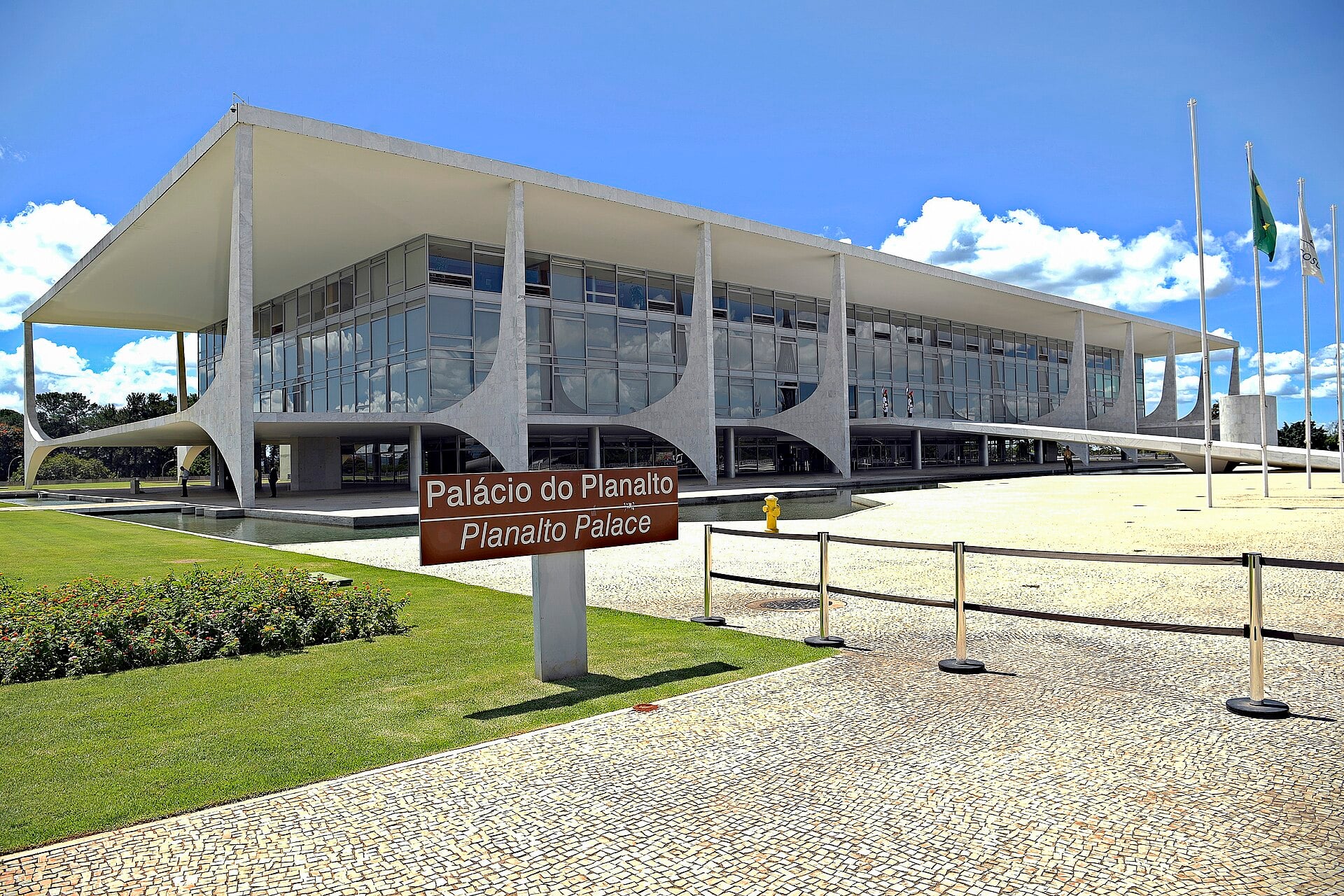
The United States: Trade and Tariffs
Ties with Washington are badly strained. In 2025 the United States imposed tariffs of up to 50% on a wide range of Brazilian goods. Brazilian sales to the US fell 6.6% that year, to US$37.7 billion.
The current tariff rests on a different law. On 15 July 2026 the US Trade Representative, Jamieson Greer, closed a year-long Section 301 investigation into Brazil. It covered digital trade and electronic payments such as Pix, preferential tariffs, ethanol, intellectual property, anti-corruption enforcement and illegal deforestation.
The result is a 25% tariff on most Brazilian goods from 22 July 2026. Goods already covered by Section 232 tariffs, such as steel, are excluded. So are beef, orange juice, aircraft and parts, and energy products, the USTR said.
One fact often missed in Washington: the United States sells Brazil more than it buys. In 2025 Brazil imported US$45.2 billion of US goods, leaving a US surplus of about US$7.5 billion, MDIC figures show.
Security, Sanctions and Deportations
In July 2025 the US Treasury sanctioned Supreme Court Justice Alexandre de Moraes under the Global Magnitsky Act. Washington tied the move to his role in the coup trial of former president Jair Bolsonaro. The Treasury removed him from its sanctions list on 12 December 2025.
On 28 May 2026 the State Department named Brazil’s two biggest gangs, the Primeiro Comando da Capital (PCC) and Comando Vermelho (CV), as global terrorists. It set their designation as Foreign Terrorist Organizations for 5 June 2026. Foreign Minister Vieira called it a unilateral act with no benefit for police cooperation and risks for Brazil’s sovereignty, Agência Brasil reported.
Venezuela is the sharpest split: Brazil condemned the US operation that captured Nicolás Maduro on 3 January 2026. Its UN ambassador, Sérgio Danese, told the Security Council that Brazil rejected the armed intervention outright. Brazil also signed a joint note with Chile, Colombia, Mexico, Uruguay and Spain.
Migration is the quieter file. Between January 2025 and 30 April 2026, 4,199 Brazilians were deported from the United States on 51 flights, the human rights ministry said. Most now land at Confins airport near Belo Horizonte.
China: Biggest Customer, Careful Partner
China has been Brazil’s largest trading partner since 2009. In 2025 it bought US$100.0 billion of Brazilian goods and sold Brazil US$70.9 billion. That left Brazil a surplus of US$29.1 billion.
Beijing wants food, ore and a foothold in the Americas; Brazil wants buyers and investment, but not dependence. During Xi Jinping’s state visit in November 2024, the two sides signed 37 agreements. Yet Brazil declined to join the Belt and Road Initiative.
Instead it signed a protocol on “synergies” between Chinese investment and Brazilian programmes. Finance is the newest link. In June 2026 Brazil filed to sell its first yuan bond in China, of up to 5 billion yuan (about US$735 million).
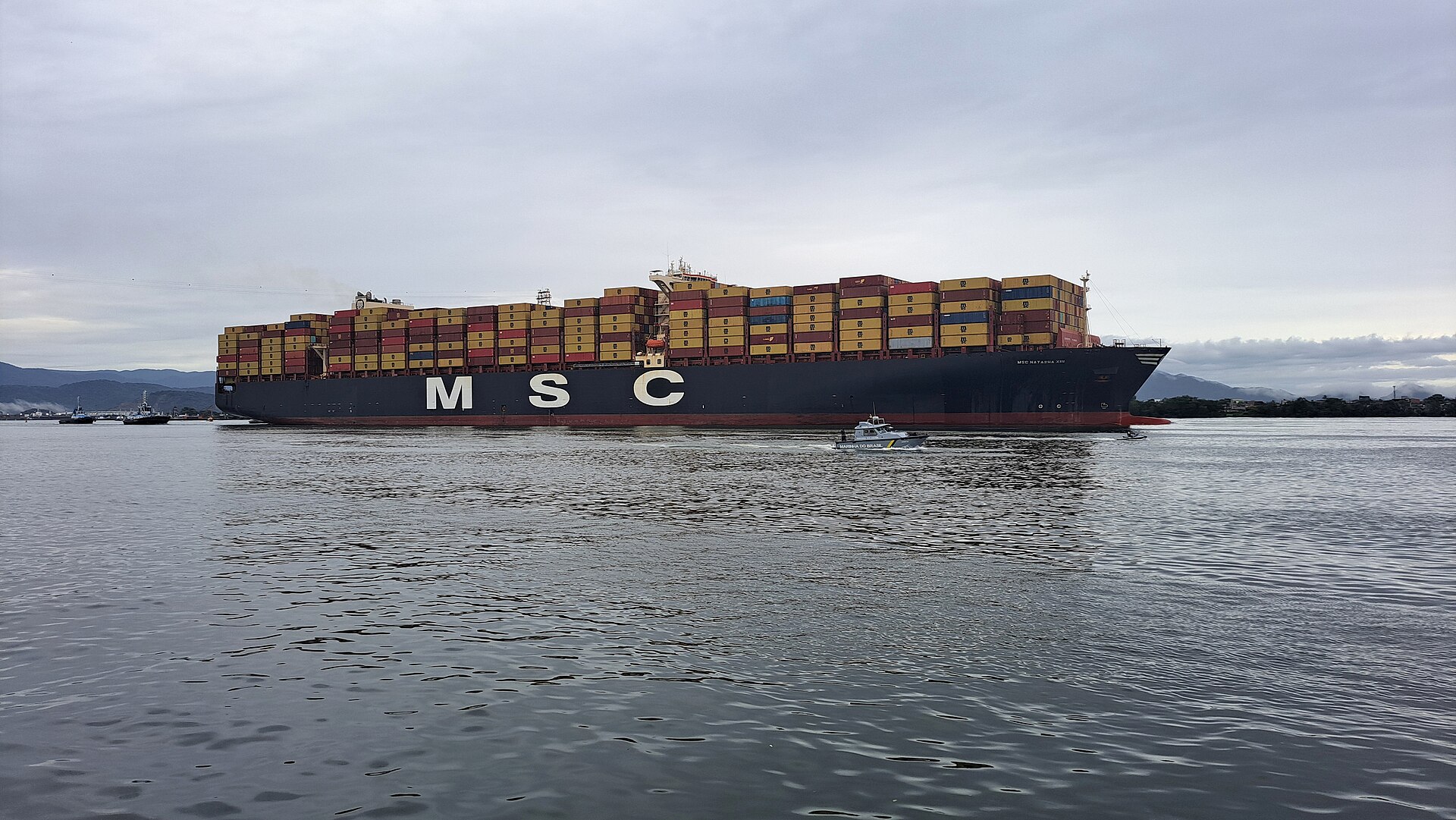
Russia, BRICS and the Global South
Brazil never joined Western sanctions on Russia. Russian diesel and fertiliser keep its trucks and farms running. Russia supplied 58.9% of Brazil’s imported diesel in the first seven months of 2025, MDIC data cited by Globo showed.
Lula has avoided condemning Vladimir Putin directly over Ukraine and visited Moscow for Victory Day in May 2025. He has tried to cast Brazil as a possible peace broker between Moscow and Kyiv.
BRICS is where this posture is most visible. Brazil chaired the group in 2025 and hosted its summit in Rio de Janeiro on 6 and 7 July 2025. India holds the chair in 2026.
At the New Delhi summit on 12 and 13 September 2026, Brazil was represented by Foreign Minister Vieira, while Lula stayed home to campaign. Former Brazilian president Dilma Rousseff heads the BRICS New Development Bank.
Europe, the Gulf and India
Europe is the big new opening. The EU and Mercosur, the trade bloc founded by Brazil, Argentina, Paraguay and Uruguay, concluded talks in December 2024. EU governments approved the deal on 9 January 2026.
Its interim trade agreement has applied provisionally since 1 May 2026, the European Commission says. It cuts tariffs across a market of about 700 million people. Formal entry into force still needs the European Parliament’s consent.
The Gulf brings capital. Lula met the UAE president, Sheikh Mohamed bin Zayed, in Abu Dhabi on 24 February 2026 to push a Mercosur–UAE trade deal. Abu Dhabi’s state fund Mubadala has US$7.3 billion invested in Brazil, Folha reported.
India is a fast-warming partner: Prime Minister Narendra Modi made a state visit to Brasília on 8 July 2025. The two leaders set a target of US$20 billion in yearly bilateral trade within five years. They also pledged to work on expanding India’s trade pact with Mercosur.
Critical Minerals: What Every Power Wants
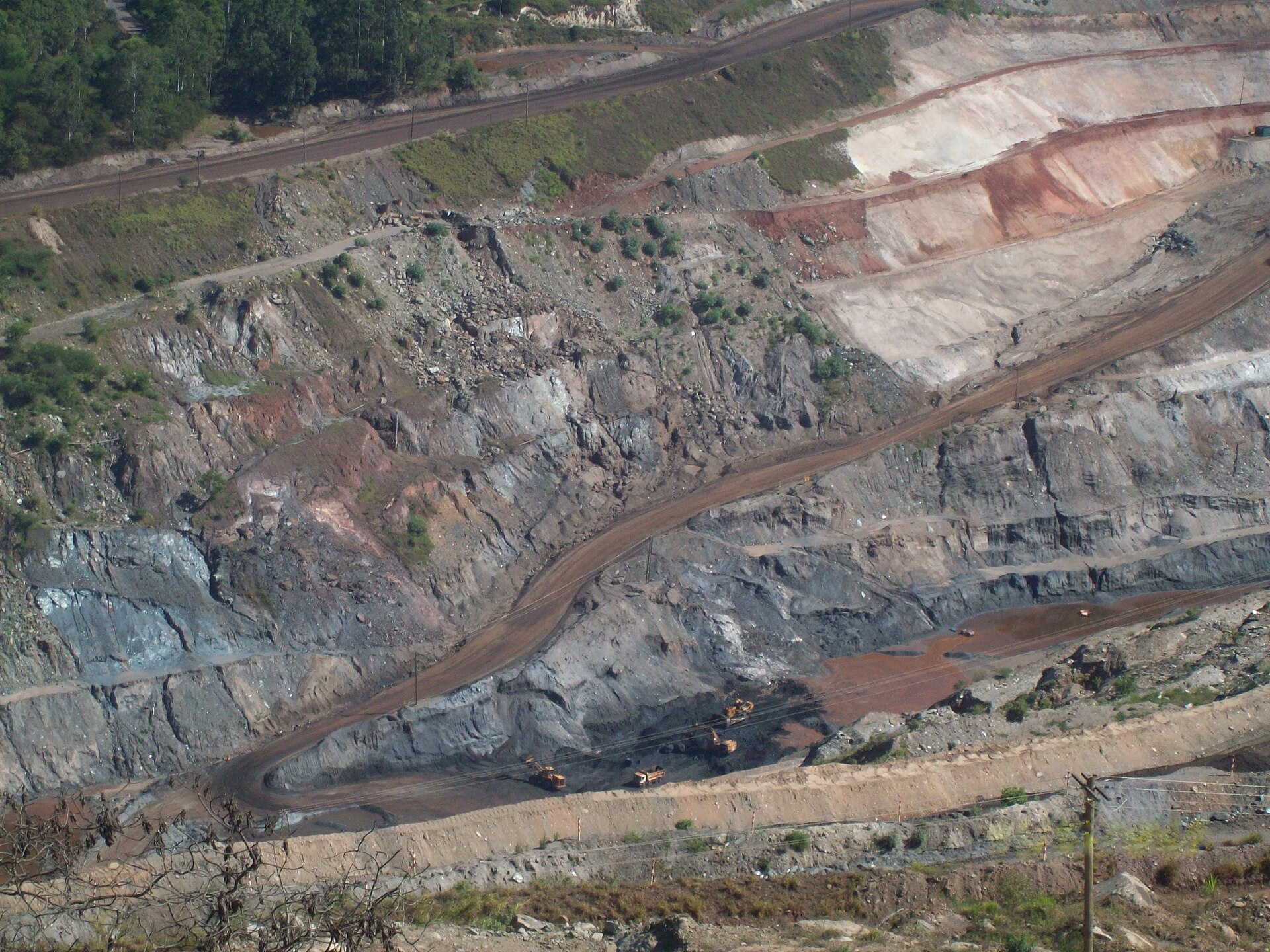
Brazil holds the world’s second-largest rare earth reserves after China, according to the US Geological Survey. These metals go into electric motors, wind turbines and missile guidance systems. That makes Brazil a prize in the US–China contest.
Washington moved first. Serra Verde, which runs Brazil’s only commercial rare earth mine, in Minaçu, Goiás, secured US$565 million of US Development Finance Corporation financing. In April 2026 USA Rare Earth announced a US$2.8 billion deal to buy it.
Lula set limits when he met Donald Trump at the White House on 7 May 2026. He said Brazil had “no preference” between investors, Chinese included, and wants the ore processed on Brazilian soil. The lower house had just approved a national critical minerals policy bill.
What the 25 October Runoff Could Change
The first round on 4 October 2026 left Senator Flávio Bolsonaro ahead with 56,104,268 votes, or 47.03% of valid votes. Lula took 53,876,617, or 45.16%, the Superior Electoral Court (TSE) reported.
Flávio is the eldest son of Jair Bolsonaro and runs for the conservative Liberal Party (PL). On 5 October, asked about the result, Trump called it “a big victory” but has not formally endorsed him.
A Lula win would most likely keep Brazil’s balancing act, with tariff talks continuing under pressure. A Flávio win would put a Trump-friendly government in Brasília from January 2027. How far it would distance Brazil from China, its biggest customer, is the open question.
What It Means for US Readers
- Investors. The 25% tariff and the runoff now drive Brazilian assets. Petrobras, the state-controlled oil company, is listed on the New York Stock Exchange, so the election reaches US portfolios directly.
- Importers and exporters. Check the USTR exemption lists line by line. Beef, orange juice, aircraft parts and energy products pass without the 25% duty; most other goods do not.
- Supply-chain planners. Brazilian rare earths are one of the few non-Chinese options, but Brasília wants processing at home. Expect conditions, not exclusivity.
- Travellers and expats. The terror designation of the PCC and CV and the runoff campaign may raise political temperature. Check the US State Department’s travel advisory before trips during the campaign.
What Prediction Markets Say
On Polymarket, bettors give Flávio Bolsonaro an 85% chance of winning the 25 October runoff and Lula 15.5% (6 October, 8:54 a.m. ET). About US$174 million has been traded on the market so far.
A smaller market asks whether Trump will formally endorse a candidate. It puts Flávio at 48.5%, up 3 points in a day, after about US$43,000 traded. Under its rules, praise such as “a big victory” does not count as an endorsement.
Prediction markets · who wins the runoff
Implied chance of winning Brazil’s presidency on 25 October, from traders’ prices.
Polymarket
Flávio Bolsonaro 84.8% · Lula 15.5% (US$174 million traded)
Kalshi (regulated in the US by the CFTC)
Flávio Bolsonaro 85% · Lula 17%
As of 6 October, 10:00 am ET (15:00 Lisbon), updated every 20 minutes. Prices are bets, not polls, and can move fast.
Why we show this: prediction markets turn real-money bets into a live probability that moves within minutes of the news, which is why investors, campaigns and newsrooms in the United States now follow them closely. We show them next to polls and official results, never instead of them.
Why we show this: prediction markets turn real-money bets into a live probability that moves within minutes of the news, which is why investors, campaigns and newsrooms in the United States now follow them closely. We show them next to polls and official results, never instead of them.
What Is Not Known
Who wins on 25 October, and whether Trump formally endorses Flávio Bolsonaro before then, is open. So is whether a new government would reopen tariff talks with the USTR or seek a broader deal.
No pricing of Brazil’s first yuan bond had been announced by late September 2026, and its final size is open. The European Parliament has not yet given its consent to the EU–Mercosur agreement.
Frequently Asked Questions
Does the United States have tariffs on Brazilian goods?
Yes. Since 22 July 2026 a 25% tariff under Section 301 of the US Trade Act applies to most Brazilian goods. Beef, orange juice, aircraft and parts, and energy products are among the exemptions.
Who is Brazil’s biggest trading partner?
China. It bought US$100.0 billion of Brazilian goods in 2025, or 28.7% of all exports. The United States bought US$37.7 billion, or 10.8%, and sold Brazil more than it bought.
Is Brazil part of China’s Belt and Road Initiative?
No. During Xi Jinping’s state visit in November 2024, Brazil signed 37 agreements and a protocol on “synergies” with the Belt and Road Initiative, but it did not join.
When is Brazil’s presidential runoff?
On Sunday 25 October 2026, between Flávio Bolsonaro and President Lula. In the first round on 4 October, Flávio won 47.03% of valid votes and Lula 45.16%, the electoral court said.
Has Donald Trump endorsed Flávio Bolsonaro?
Not formally as of 6 October 2026. On 5 October he called the first-round result “a big victory”. Polymarket bettors put the chance of a formal endorsement at about 49%.
Is the EU–Mercosur trade deal in force?
Its interim trade agreement has applied provisionally since 1 May 2026. Full entry into force still needs the consent of the European Parliament.
Sources: Superior Electoral Court (TSE); USTR, Section 301 action; Federal Register notice; MDIC, 2025 trade; Estadão on MDIC data; OFAC; US State Department; Agência Brasil on Itamaraty’s response; Council Decision (EU) 2026/185; O Globo on Brazil at the UN; Valor/O Globo on deportations (MDHC data); O Globo on the Xi visit; Valor on the yuan bond; China Daily; G1 on Russian diesel; India’s BRICS 2026 chairship; The Hindu on the New Delhi summit; European Commission; EU–Mercosur overview; G1 on Lula in Abu Dhabi; Folha on Mubadala; Prime Minister of India; USGS rare earths; Valor on critical minerals; The Star on Lula and rare earths; O Globo on Trump’s comments; Agência Brasil on the runoff; Valor on Petrobras and Mubadala. All accessed 6 October 2026.
Company profiles: Eneva S.A · more in our LatAm Company Intelligence section.
Company profiles: Natura Cosmeticos S.A. · more in our LatAm Company Intelligence section.
Company profiles: Americanas S.A. · more in our LatAm Company Intelligence section.
Company profiles: Azevedo & Travassos Energia S.A. · more in our LatAm Company Intelligence section.
Company profiles: Oncoclinicas do Brasil · more in our LatAm Company Intelligence section.
Company profiles: Banco do Brasil S.A. · more in our LatAm Company Intelligence section.
Company profiles: Vale S.A. · more in our LatAm Company Intelligence section.
This article was produced by The Rio Times’ automated newsroom system. How we use AI · Report an error · Editorial responsibility: Matthias Camenzind, Editor-in-Chief