Ghana Horticultural Seed Roadmap Aims to Lift Vegetable Farming
GHANA · AGRICULTURE
Key Facts
- —What happened The Ministry of Food and Agriculture launched the National Horticultural Seed Roadmap in Accra on 17 September 2026.
- —Time frame The roadmap sets strategic priorities for the next three to five years.
- —Main goal More farmers should get quality seeds and seedlings suited to Ghana’s soils and climate.
- —Who spoke Deputy Minister John Setor Dumelo and Inge Tenniglo of the Netherlands Embassy addressed the launch.
- —Related push Two days earlier, Ghana launched a tomato plan aiming for 400,000 tonnes a year.
- —The catch No budget, funding source or measurable seed targets have been made public.
The Ministry of Food and Agriculture wants vegetable farmers to get better seeds and seedlings, but it has not yet published a budget.
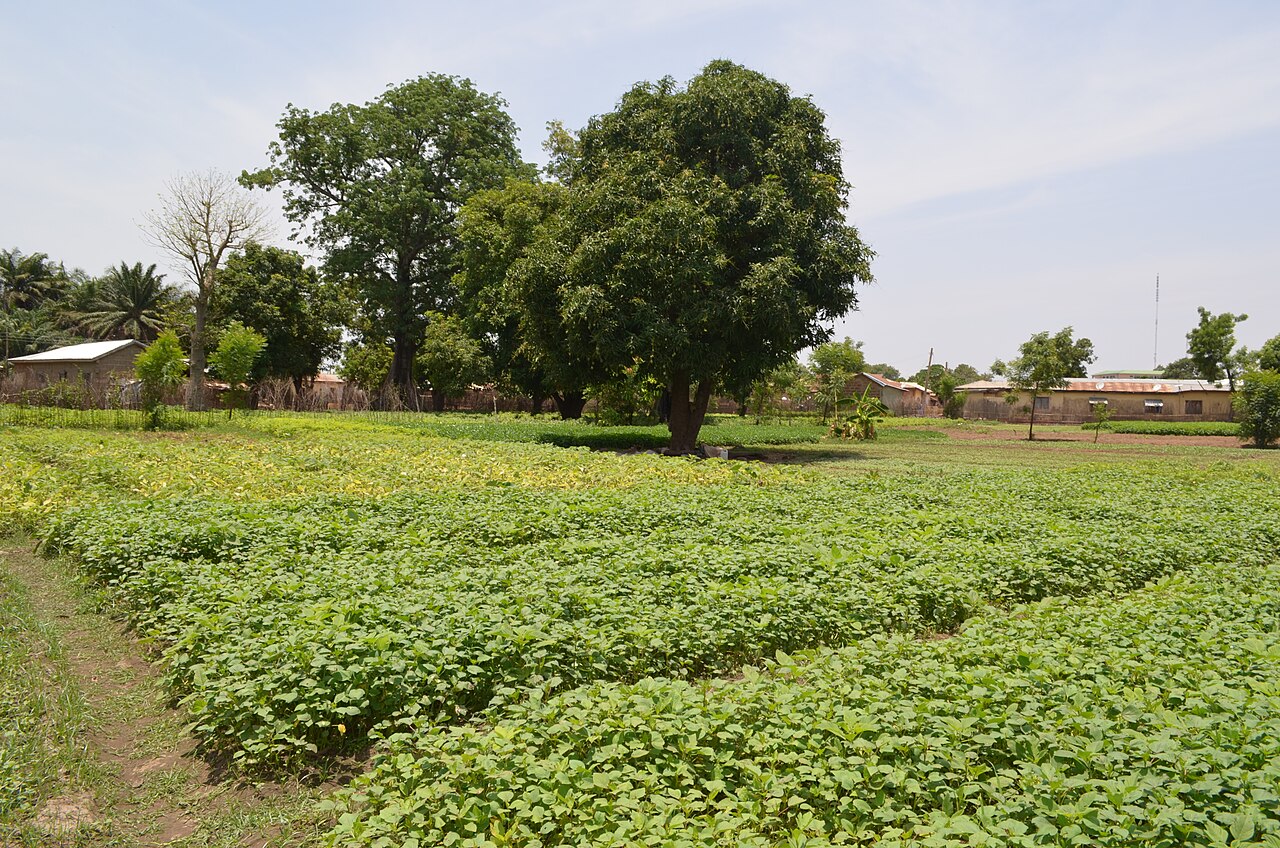
Ghana’s Ministry of Food and Agriculture launched the Ghana horticultural seed roadmap in Accra on Thursday, 17 September 2026. Its formal name is the National Horticultural Seed Roadmap, and it sets vegetable seed priorities for three to five years.
What the roadmap says it will do
The ministry says the roadmap aims to increase the availability and use of improved planting materials. These are seeds and young plants suited to Ghana’s farming conditions.
Work will focus on strengthening local seed production and the companies that produce seed. It also aims to widen farmers’ access to quality seeds and seedlings.
A third goal is to support new crop varieties adapted to Ghanaian conditions. The roadmap also sets out responsibilities, timelines and financing arrangements for putting the plan into practice.
The launch brought together government agencies, seed companies, research institutions, farmer groups and development partners.
Who spoke at the launch
Deputy Minister for Food and Agriculture John Setor Dumelo spoke for the ministry. He called the roadmap “an important step towards building a stronger and more responsive seed system.”
He said the new system should respond to farmers’ needs and help the horticulture sector grow.
Inge Tenniglo, representing the Netherlands Embassy, said the Netherlands would keep supporting Ghana’s horticulture sector. She described the roadmap as “laying the foundation for the future of Ghana’s horticulture sector.”
How it fits with other recent moves
The roadmap follows several related steps this year, most of them aimed at seed quality.
In June 2026, the ministry inaugurated a National Seed Council under the Plants and Fertilizer Act, 2010 (Act 803). Alhaji Abubakari Mumuni chairs the council.
The council advises the minister on seed policy and oversees rules for seed production, certification and distribution. At its inauguration, Dumelo said the government was trying to reduce seed imports.
He also said spending on fertiliser, irrigation and machinery works best when backed by a reliable seed system. That argument sits at the centre of the new roadmap.
On 3 September 2026, the ministry, the Netherlands Embassy and private partners launched a three-year Business Seed Partnership. It aims to improve farmers’ access to quality vegetable seed and support local seed businesses.
The World Bank’s Food System Resilience Programme is also listed among that partnership’s backers. The partnership was launched at the University of Ghana in Legon.
It builds on the Ghana Seed Partnership, a Dutch-backed group of 13 organisations launched in Accra in October 2025. Members include seed firms East-West Seed, Rijk Zwaan, Enza Zaden and Bakker Brothers, plus Wageningen University and Research.
The tomato link
On 15 September 2026, Food and Agriculture Minister Eric Opoku launched the Ghana Tomato Self-Sufficiency Initiative in Anloga, Volta Region. It is run with a private company, FarmMate Limited.
The first phase targets about 100,000 tonnes of tomatoes in the 2026/2027 season. The first phase covers more than 10,000 acres, and the longer goal is about 400,000 tonnes a year.
Organisers say Ghana spends about US$400 million a year on imported fresh tomatoes and tomato paste. Imports rise most during the dry months from December to July.
Farmers in the scheme receive a production package worth about GH₵20,000 (US$1,748) per acre, at 18 September 2026 rates. Good seed matters here because yields depend heavily on the variety planted.
That makes the seed roadmap and the tomato plan closely linked. Both depend on farmers getting the right seed at the right time.
Why the Ghana horticultural seed roadmap matters to expats and investors
For people living in Ghana, vegetable prices often jump in the dry season when supply falls. More reliable local seed could, over time, help farms produce more steadily through the year.
For investors, the government and its partners point to seed production, commercial nurseries and tomato processing as areas to develop. Dutch seed firms and development partners are already active in the sector.
Returns will depend on funding, clear seed rules and farmers’ ability to pay for better seed. Those conditions are still being set.
The tomato plan also includes processing. Officials say up to 200,000 tonnes a year could eventually be turned into tomato purée and other products.
What is not yet known
The ministry has not published a budget for the roadmap or named who will pay for it. It has not released target volumes, crop lists or the full roadmap text.
It is also not clear which agency will lead day-to-day work or how progress will be measured. Earlier seed plans in Ghana have not always been fully carried out.
What to watch next
The first signs will be funding announcements, the full roadmap text and progress on seed testing and certification. Watch also for whether tomato farmers in the new scheme can get enough quality seed on time.
If money and clear targets follow, the roadmap could help Ghana grow more of its own vegetables in the years ahead.
Frequently Asked Questions
Frequently Asked Questions
What is Ghana’s National Horticultural Seed Roadmap?
It is a three- to five-year plan launched on 17 September 2026. It aims to give vegetable farmers better access to quality seeds and seedlings.
Who is supporting it?
The Ministry of Food and Agriculture leads it. The Netherlands Embassy has said it will keep supporting Ghana’s horticulture sector.
Has funding been confirmed?
No. The roadmap includes financing arrangements, but no budget figure has been made public.
Connected Coverage
Ghana Opens a 30-Acre Hybrid Shea Farm That Fruits in Three Years Instead of Twenty
Ghana’s Opposition Backs Some Constitutional Changes but Rejects the Process
Sources: Ghana Ministry of Food and Agriculture launch, 17 September 2026, as reported by MyJoyOnline and Ecofin Agency; Graphic Online; Ghana Netherlands Business and Culture Council; The High Street Journal.
This article was produced by The Rio Times’ automated newsroom system. How we use AI · Report an error
Read More from The Rio Times