Game Changer: Private Investment Hits Argentine Football
Starting November 1st, Argentine football clubs can opt to become Sports Societies, similar to Brazil’s football corporations.
Authorized by the General Inspection of Justice through decree DNU 70, this shift allows clubs to accept private investments and include civil associations as shareholders.
This change has sparked intense debate across Argentina. Supporters say it could funnel $2.5 to $3 billion into struggling clubs, traditionally dependent on state aid and tax breaks.
Sebastián Verón, a former player and current club president, champions this influx as a revitalizer for financially strapped clubs.
Yet, opponents raise alarms that this shift could sideline youth development and erode the clubs’ cultural heritage.
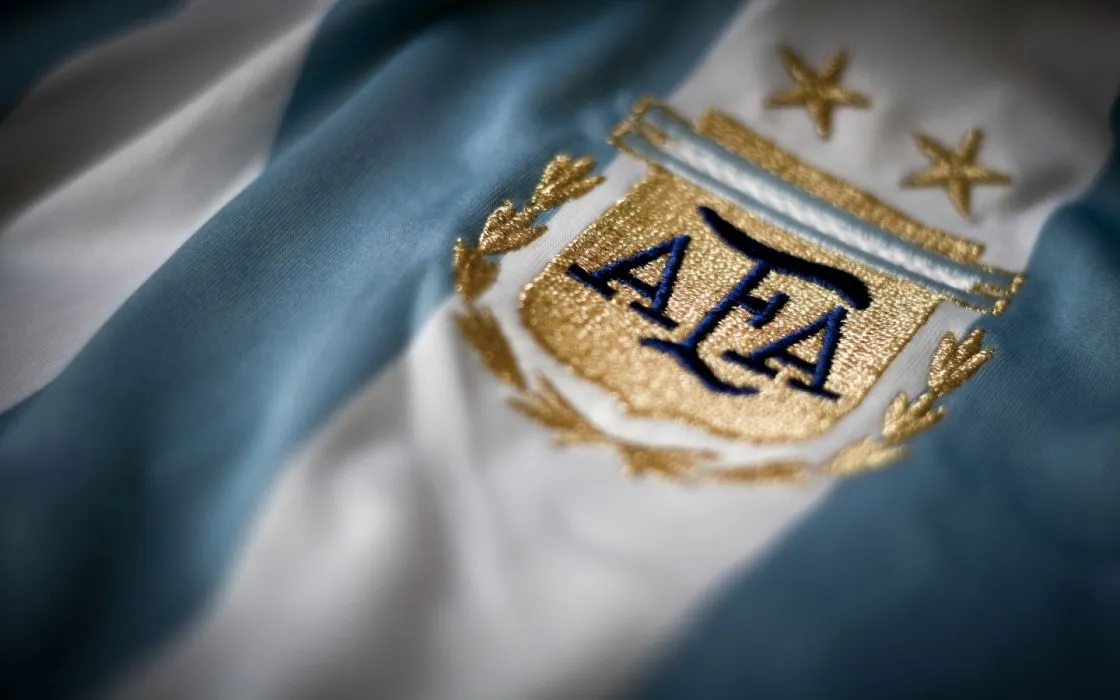
The Argentine Football Association (AFA) initially resisted, even securing a court measure against the decree’s articles in January.
The debate also played out in Boca Juniors’ recent elections, where traditionalists triumphed over proponents of private investment.
Moreover, President Javier Milei criticized the AFA’s hypocrisy in a social media blast. He highlighted the contradiction of opposing sports corporations while the national team benefits from such models abroad.
This policy introduces new dynamics to Argentine football, mirroring global trends towards blending traditional sports models with modern financial strategies.
As Argentine clubs navigate these changes, they weigh the delicate balance between heritage preservation and innovation.
Background
A month ago, Javier Milei, President of Argentina, announced a “monetary regime change” aimed at economic stability.
Celebrating the Ley de Bases’ approval and a fiscal package, Milei introduced a new phase of governance. “We are moving towards zero emissions,” he declared, signaling significant reforms.
The Ley de Bases ends the first phase of Milei‘s administration. This reform package is five times larger than former President Menem’s reforms.
With the DNU (Decree of Necessity and Urgency) in effect, Argentina has launched 800 structural reforms. These reforms aim to improve Argentina’s economic freedom by 90 places.
Milei aims to position Argentina like Germany, France, and Italy, potentially quadrupling per capita GDP.
This article was produced by The Rio Times’ automated newsroom system. How we use AI · Report an error
In depth
Read More from The Rio Times