IBOV 188,268.59 ▲ 1.42% IPSA 11,238.63 ▼ 1.16% IPC MEX 64,479.96 ▼ 0.52% MERVAL 3,157,852 ▲ 1.53% COLCAP 2,626.71 ▲ 1.65% BVL PERÚ 60,702.89 ▼ 2.19% USD/BRL5.11▼ 0.05% USD/MXN16.98▲ 0.47% USD/CLP940.47▲ 1.38% USD/COP3,081▼ 1.14% USD/PEN3.35▼ 0.18% USD/ARS1,513▼ 0.08% USD/UYU40.24▲ 3.05% USD/PYG5,868▲ 2.26% USD/BOB12.36▲ 1.91% USD/DOP58.63▲ 0.22% USD/CRC447.58▲ 1.69% USD/GTQ7.63▲ 3.04% USD/HNL26.85▲ 0.57% USD/NIO36.62▲ 0.34% USD/VES830.41▲ 0.45% USD/PAB1.00— 0.00% USD/BZD2.00— 0.00% USD/JMD 157.28 — 0.00% USD/TTD6.73▲ 2.40% EUR/BRL5.93▲ 0.34% BRENT 88.88 ▼ 0.03% WTI 83.11 ▼ 0.11% IRON ORE 161.91 — — COPPER 6.61 ▲ 0.03% GOLD 4,461 ▲ 1.78% SILVER 65.59 ▲ 1.26% SOY 1,184 ▲ 3.20% CORN 480.50 ▲ 10.02% WHEAT 655.00 ▲ 3.93% COFFEE 317.25 ▼ 5.51% SUGAR 16.43 ▼ 1.79% ORANGE JUICE 138.55 ▼ 0.47% COTTON 85.03 ▲ 2.33% COCOA 5,719 ▲ 3.18% BEEF 223.60 ▼ 3.93% CATTLE 339.10 ▼ 3.16% LITHIUM 75.20 ▲ 1.47% PETR4 41.64 ▼ 0.05% VALE3 72.97 ▲ 0.83% ITUB4 38.60 ▼ 1.03% BBDC4 16.85 ▲ 0.36% ABEV3 14.89 ▼ 0.80% BBAS3 19.37 ▲ 0.47% B3SA3 14.26 ▼ 0.21% WEGE3 47.59 ▲ 0.49% PRIO3 59.14 ▼ 0.19% SUZB3 41.33 ▲ 2.35% RENT3 34.68 ▼ 0.09% AZZA3 15.89 ▼ 2.63% CSAN3 3.22 ▼ 1.83% RAIZ4 0.25 — 0.00% PCAR3 2.75 ▼ 0.36% GMAT3 3.65 ▼ 1.08% PSSA3 48.13 ▼ 0.54% CVCB3 1.33 ▼ 2.92% POSI3 3.36 ▲ 2.44% SLCE3 13.34 ▲ 0.30% NATU3 8.14 ▼ 0.73% IBOV 188,268.59 ▲ 1.42% IPSA 11,238.63 ▼ 1.16% IPC MEX 64,479.96 ▼ 0.52% MERVAL 3,157,852 ▲ 1.53% COLCAP 2,626.71 ▲ 1.65% BVL PERÚ 60,702.89 ▼ 2.19% USD/BRL 5.16 ▲ 0.01% USD/MXN 17.06 ▼ 0.24% USD/CLP 913.98 ▲ 0.04% USD/COP 3,140 ▲ 0.03% USD/PEN 3.36 ▼ 0.66% USD/ARS 1,493 ▲ 0.10% USD/UYU 40.27 ▲ 1.24% USD/PYG 5,939 ▲ 1.68% USD/BOB 11.64 ▼ 0.76% USD/DOP 58.34 ▲ 1.25% USD/CRC 445.92 ▲ 0.89% USD/GTQ 7.62 ▲ 2.21% USD/HNL 26.79 ▲ 1.57% USD/NIO 36.62 ▲ 0.69% USD/VES 762.44 ▼ 0.13% USD/PAB 1.00 — 0.00% USD/BZD 2.00 — 0.00% USD/JMD 157.28 — 0.00% USD/TTD 6.70 ▲ 0.61% EUR/BRL 5.95 ▲ 1.01% BRENT 88.88 ▼ 0.03% WTI 83.11 ▼ 0.11% IRON ORE 161.91 — — COPPER 6.61 ▲ 0.03% GOLD 4,461 ▲ 1.78% SILVER 65.59 ▲ 1.26% SOY 1,184 ▲ 3.20% CORN 480.50 ▲ 10.02% WHEAT 655.00 ▲ 3.93% COFFEE 317.25 ▼ 5.51% SUGAR 16.43 ▼ 1.79% ORANGE JUICE 138.55 ▼ 0.47% COTTON 85.03 ▲ 2.33% COCOA 5,719 ▲ 3.18% BEEF 223.60 ▼ 3.93% CATTLE 339.10 ▼ 3.16% LITHIUM 75.20 ▲ 1.47% PETR4 41.64 ▼ 0.05% VALE3 72.97 ▲ 0.83% ITUB4 38.60 ▼ 1.03% BBDC4 16.85 ▲ 0.36% ABEV3 14.89 ▼ 0.80% BBAS3 19.37 ▲ 0.47% B3SA3 14.26 ▼ 0.21% WEGE3 47.59 ▲ 0.49% PRIO3 59.14 ▼ 0.19% SUZB3 41.33 ▲ 2.35% RENT3 34.68 ▼ 0.09% AZZA3 15.89 ▼ 2.63% CSAN3 3.22 ▼ 1.83% RAIZ4 0.25 — 0.00% PCAR3 2.75 ▼ 0.36% GMAT3 3.65 ▼ 1.08% PSSA3 48.13 ▼ 0.54% CVCB3 1.33 ▼ 2.92% POSI3 3.36 ▲ 2.44% SLCE3 13.34 ▲ 0.30% NATU3 8.14 ▼ 0.73%
since 2009
Thursday, September 10, 2026

Africa Western Africa

Gambia’s Debt-to-GDP Ratio Improves as Finance Minister Highlights Economic Progress

By · September 23, 2024 · 2 min read

Africa Intelligence

One email, every weekday morning. African markets, politics and business — filed from our newsroom in Rio.

Yesterday’s subject line: “Nigeria's Dangote signs for Africa's biggest IPO ever”

Free. We send a confirmation link first — nothing arrives until you click it. Unsubscribe with one click in any edition. If you stop opening us for 30 days we stop sending by ourselves, as we assume the interest is no longer there. See our privacy policy. We never share your email.

In a recent address to lawmakers, Seedy Keita, Gambia’s Finance and Economic Affairs Minister, shared positive news about the country’s economic situation.

Keita revealed that Gambia’s debt-to-GDP ratio has decreased from 85% to 72% in less than two years. This improvement showcases the nation’s commitment to fiscal responsibility and economic growth.

Keita emphasized that Gambia has never experienced debt distress, unlike some other African countries. He confidently stated that Gambia’s debt remains sustainable and continues to follow a downward trend.

This assertion challenges the misconception that Gambia is the most indebted country in Africa. The Finance Ministry has been diligent in assessing the impact of currency depreciation on public debt.

As of December 2023, the depreciation of the dalasi and foreign currency debt amounted to 7.56 billion out of the total loan stock of 110 billion dalasi.
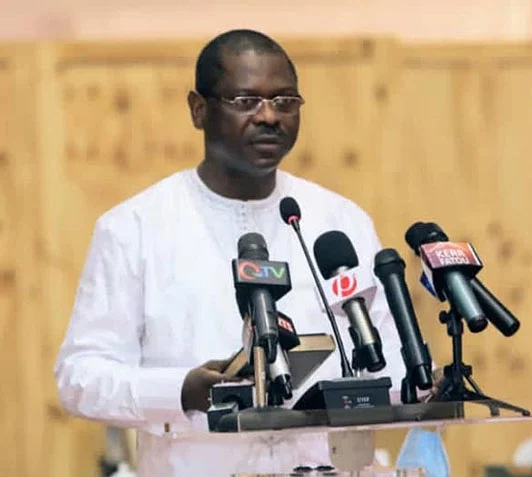
Gambia's Debt-to-GDP Ratio Improves as Finance Minister Highlights Economic Progress
Gambia’s Debt-to-GDP Ratio Improves as Finance Minister Highlights Economic Progress.
One-stop reference
Company Intelligence
Every listed company in Latin America — financials, ownership and structure for 1,450+ companies across 26 exchanges, in one place.
Browse the directory →
RT
Ask Rio Times
17 years of Latin America reporting, on demand.
Open the full Ask Rio Times →

Keita provided context for Gambia‘s current financial situation by discussing the country’s debt history. In 2017, the new administration inherited significant financial challenges.

This included an overdrawn Treasury Main Account totaling 10.8 billion dalasi. This unrecorded debt posed a substantial burden on the system.

To address these issues, the government took decisive action. In 2018, they assumed NAWEC’s liability and issued a seven-year market bond worth 1.7 billion dalasi.

Managing Debt and Infrastructure Investment

Additionally, they tackled unconfirmed debts totaling 2.4 billion dalasi. The minister outlined various infrastructure projects financed through borrowing since 2017.

These include the new Bertil Harding Highway, phase one of The University of The Gambia, and improvements to the Banjul International Airport. Such investments aim to boost the country’s development and economic prospects.

Regarding currency exchange rates, Keita explained that the Gambia follows an open market regime. This approach allows market forces of supply and demand to determine exchange rates, rather than government control.

This policy aligns with modern economic practices and promotes transparency in financial transactions. Overall, Keita’s address paints a picture of a country making steady progress in managing its debt and investing in its future.

While challenges remain, Gambia’s improving debt-to-GDP ratio and commitment to sustainable economic policies suggest a positive outlook for the nation’s financial health.

This article was produced by The Rio Times’ automated newsroom system. How we use AI · Report an error

Part of our ongoing coverage

Africa: The New Scramble — the great-power contest over the continent.

More from Western Africa

Read More from The Rio Times

The Rio Times · Power Map
See who really holds power in Latin America
Click to open the Power Map

Rotate for Best Experience

This report is optimized for landscape viewing. Rotate your phone for the full experience.