From Old Guards to New Frigates: Colombia’s Naval Revamp
Under President Gustavo Petro, Colombia is modernizing its navy to meet today’s challenges.
This includes plans for new frigates, but high costs and delays have affected progress.
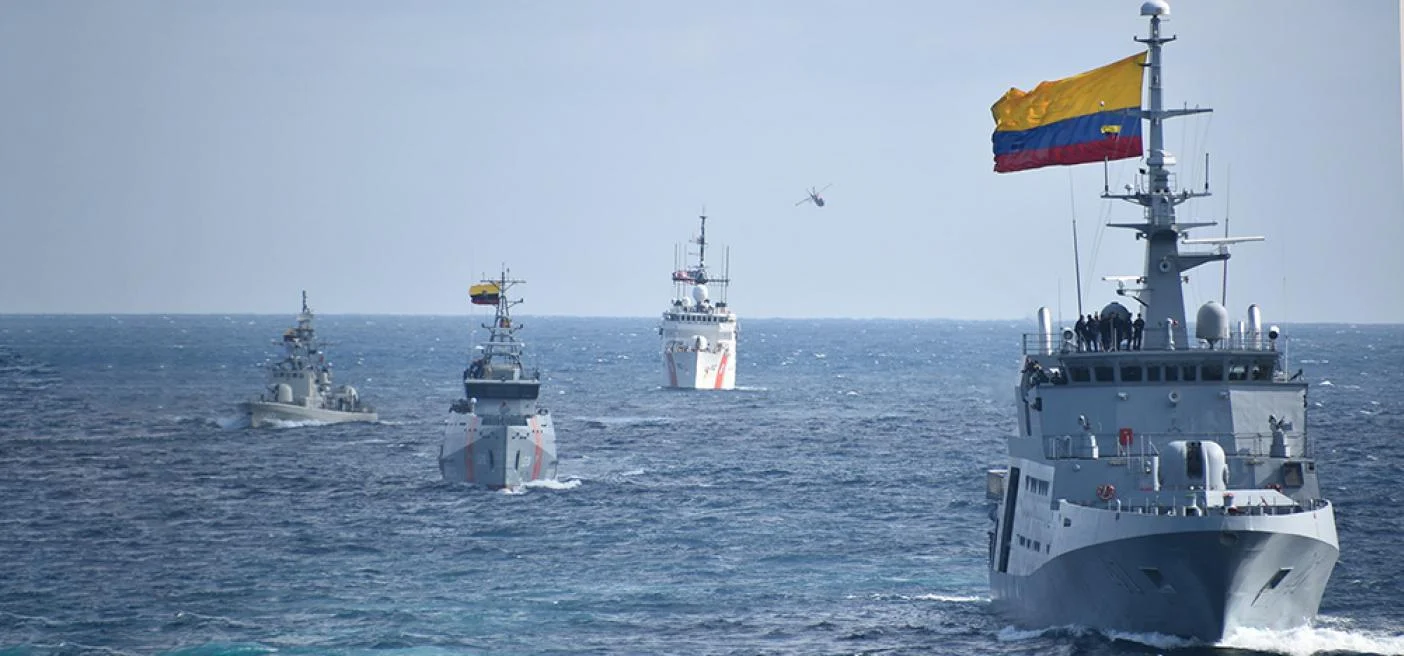
The administration intends to build new PES frigates to enhance maritime security.
Originally estimated at $450 million, the project has faced budget overruns with Damen Shipyards, stalling development and raising financial concerns.
The strategy includes reusing older systems from the Almirante Padilla frigates.
However, this hasn’t provided the expected financial savings compared to Japan’s $460 million Kumano frigates and the UK’s $320 million Arrowhead frigates.
The procurement process has been criticized for its lack of transparency.
The government’s direct negotiations with Damen, bypassing competitive bidding, echo past procurement issues, sparking debate over government contract practices.
Discussions are ongoing about potentially using the OPV 93 patrol vessel design from Cotecmar for the frigates.
This could cut costs by leveraging existing designs but would need major modifications for new defense systems.
Colombia’s strained relations with Israel could also impact the integration of Israeli Barak systems into the new frigates.
These systems were selected for their compatibility with Colombian technology, aiming to simplify logistics and reduce costs.
No clear timeline exists for starting frigate construction, and Cotecmar’s communications remain vague.
This uncertainty hinders the exploration of competitive or alternative proposals, affecting the project’s feasibility and cost-efficiency.
While the Almirante Padilla frigates continue their service, Colombia’s naval future relies on navigating fiscal and strategic challenges effectively.
The decisions ahead are crucial for shaping the navy’s capacity to protect Colombia’s maritime interests.
Background
Colombia’s Defense Minister, Iván Velázquez, recently announced the addition of 1,600 professional soldiers to the Colombian Army.
This move, unveiled during a Security Council meeting in Huila Department, is part of a larger strategy to fortify the nation’s military.
This article was produced by The Rio Times’ automated newsroom system. How we use AI · Report an error
Read More from The Rio Times