From Crisis to Transformation: How Bradesco Aims to Regain Market Confidence by 2026
Marcelo Noronha, CEO of Bradesco, one of Brazil’s largest banks, has embarked on a bold five-year transformation plan, initiated in collaboration with McKinsey.
This initiative comes as the bank navigates a challenging economic environment and aims to regain its competitive edge. In an interview with Valor Econômico, Noronha detailed the progress and hurdles faced in reshaping one of Brazil’s largest financial institutions.
The plan includes streamlining operations by cutting three layers of hierarchy and implementing advanced technologies like Microsoft’s AI tool Copilot, which has significantly improved productivity.
These efforts have already delivered results, with Bradesco’s personal credit portfolio growing 13.3% in Q4 2024, outpacing competitors. Loans to small businesses also surged 28%, reaching R$215 billion.
Despite these gains, analysts remain cautious as Bradesco’s return on equity (ROE) still falls below its cost of capital, a critical profitability metric. Noronha acknowledges this gap but focuses on long-term value creation rather than immediate returns. “I don’t promise; I deliver,” he stated.
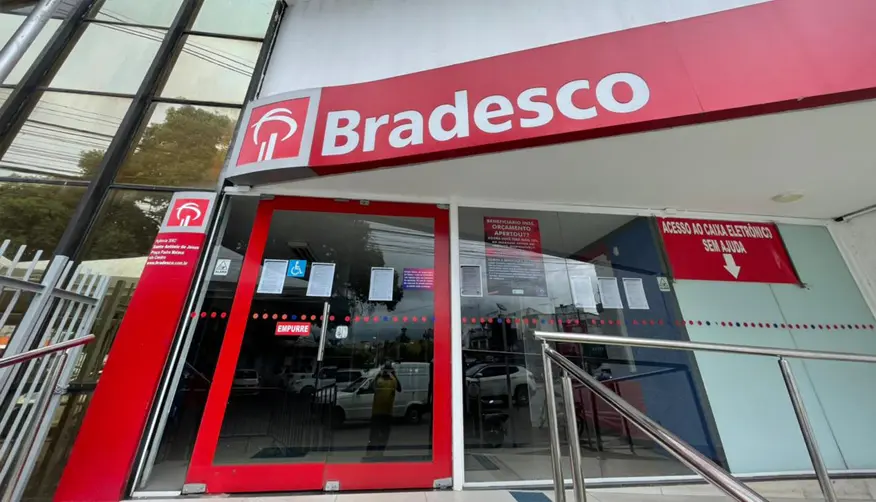
Bradesco has shifted its credit strategy toward lower-risk segments, prioritizing high-income personal loans and mortgages, which grew 14.5% and 15%, respectively, in 2024.
Bradesco’s Transformation Strategy
The bank is also leveraging artificial intelligence to enhance customer targeting and operational efficiency, with a pilot program increasing sales by 45%. Plans for 2025 include launching a new app and reassessing around 1,000 branches to optimize its physical footprint.
However, external challenges persist. Brazil’s high interest rates and inflation have dampened credit growth forecasts. The Brazilian Federation of Banks has revised its 2025 projection downward from 9%.
Additionally, competition from digital banks continues to pressure traditional players like Bradesco. Since announcing the transformation plan, Bradesco’s stock has declined 6.4%, reflecting market skepticism.
Noronha remains optimistic, attributing this to broader market trends and emphasizing consistent execution over time. By 2026, the bank aims to emerge as a modernized institution.
It will focus on technology integration, risk management, and sustainable profitability. While challenges remain, Noronha’s measured approach seeks to balance immediate improvements with long-term stakeholder value creation.
This article was produced by The Rio Times’ automated newsroom system. How we use AI · Report an error
LatAm Markets: Live Signals → — real-time movers, turnover leaders and FX across Latin America.
Read More from The Rio Times