Frida Kahlo Buenos Aires: First-Ever South America Show
LIFE: Buenos Aires
Key Facts
—Exhibition. “Viva Frida” runs from 18 September 2026 to 14 March 2027 at Malba in Buenos Aires.
—First. It marks the first time Frida Kahlo’s personal objects from Casa Azul are shown in South America.
—Scale. The show features 365 objects, making it the most complete version of this travelling project to date.
—Collection. Items include Tehuana dresses, orthopaedic corsets, jewellery, cosmetics, diaries, and letters.
—Context. The exhibition is the grand finale of Malba’s 25th-anniversary celebrations.
The Museo de Arte Latinoamericano de Buenos Aires (Malba) will host the most comprehensive Frida Kahlo exhibition ever staged in South America, bringing the iconic artist’s personal belongings from Mexico City’s Casa Azul to Argentina for the first time.
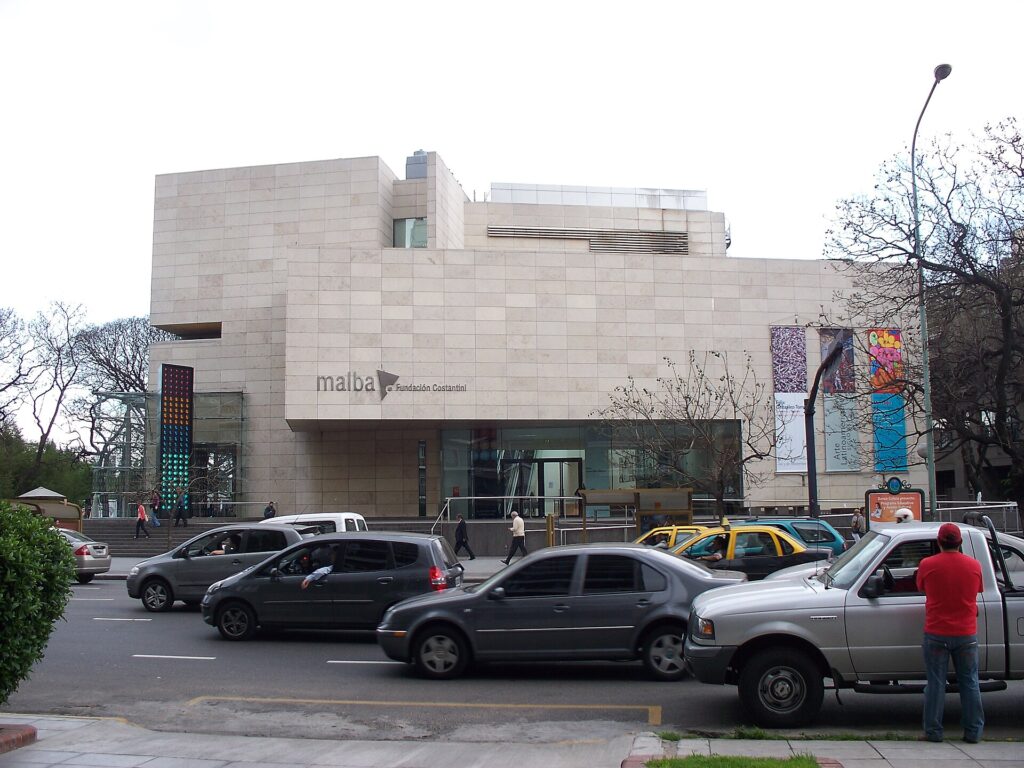
A Landmark Frida Kahlo Exhibition Arrives in Buenos Aires
“Viva Frida” opens on 20 September 2026 and runs through 15 March 2027, serving as the culminating event of Malba’s 25th-anniversary programme. The show assembles 365 objects, expanding significantly on earlier versions seen at the Victoria & Albert Museum in London and the Palais Galliera in Paris.
Curated by Dr. Circe Henestrosa with curatorial advisor Gannit Ankori, the exhibition draws from the 2004 discovery of Kahlo’s belongings that had been sealed for half a century after her death.
These personal items leave Casa Azul for their first South American presentation, offering an intimate portrait of the artist’s life, body, and identity.
What Makes This Frida Kahlo Exhibition a Regional First
While Frida Kahlo’s paintings have travelled to South America before, this is the first time her personal objects from Casa Azul are exhibited on the continent. The Buenos Aires iteration is described as the project’s most complete version, growing from roughly 200 objects in previous European stops to 365 in Argentina.
The exhibition is organised by the Museo Frida Kahlo in Mexico and the Semana de la Alta Costura Argentina (SAC), under the direction of Elina Costantini. Exhibition design comes from São Paulo-based T+T Projetos, reinforcing the pan-Latin American collaboration behind the show.
Inside the Collection: Dresses, Corsets, and Diaries
Visitors will encounter Kahlo’s Tehuana dresses, orthopaedic corsets, rings, cosmetics, diaries, letters, and photographs. Brushes, palettes, and paints from her studio are also included, alongside material from critic and friend Raquel Tibol.
Seven little-known videos and a multimedia, interactive installation representing “Frida’s brain” add a contemporary layer. The installation invites visitors to ask questions, blending biography with technology in a format that distinguishes this show from traditional retrospectives.
Malba’s Own Frida Kahlo Holdings Enrich the Experience
The exhibition enters into direct dialogue with Malba’s permanent collection, which includes Kahlo’s “Autorretrato con chango y loro” (1942) and the record-breaking “Diego y yo” (1949). Founder Eduardo F.
Costantini acquired both works, and they already anchor a dedicated Frida–Diego room opened in 2024.
This integration means “Viva Frida” is not a standalone blockbuster but part of a deeper institutional commitment. The show emphasises Kahlo’s self-construction as an icon through her material world, touching on politics, gender, and national identity.
The Business and Cultural Read-Through for Buenos Aires
For Buenos Aires, a six-month Frida Kahlo exhibition represents a significant cultural-tourism draw at a time when Argentina is working to attract international visitors and hard-currency spending. Major museum shows of this calibre typically boost hotel occupancy, restaurant traffic, and retail in neighbourhoods like Palermo, where Malba is located.
The collaboration with SAC also signals the involvement of Argentina’s high-fashion sector, linking luxury branding with cultural heritage. For investors and expats watching Argentina’s creative economy, the show underscores Buenos Aires’s enduring role as a Latin American cultural capital capable of securing exclusive international exhibitions.
What to Watch Next
Advance ticket sales and opening-week programming details are expected in the months leading up to September 2026. Malba has indicated that the show will be accompanied by a full calendar of talks, workshops, and educational initiatives.
The exhibition’s performance will be closely watched by other South American institutions considering similar large-scale collaborations with Mexican and European museums. A strong attendance figure could accelerate the pipeline of travelling exhibitions to the region.
Frequently Asked Questions
When does the Frida Kahlo exhibition open at Malba?
“Viva Frida” opens on 20 September 2026 and runs through 15 March 2027. It is the grand finale of Malba’s 25th-anniversary year and the most complete version of this travelling exhibition to date.
What makes this the first Frida Kahlo exhibition of its kind in South America?
It is the first time Frida Kahlo’s personal objects from Casa Azul — her clothing, corsets, jewellery, diaries, and letters — are exhibited in South America. The Buenos Aires presentation is also the largest iteration of the project, with 365 objects.
Does Malba already own works by Frida Kahlo?
Yes. Malba’s permanent collection includes “Autorretrato con chango y loro” (1942) and “Diego y yo” (1949), both acquired by founder Eduardo F.
Costantini. These works are displayed in dialogue with the temporary exhibition.
This article was produced by The Rio Times’ automated newsroom system. How we use AI · Report an error
Read More from The Rio Times