BRAZIL · WHAT COMES NEXT
Key Facts
- The country Brazil is South America’s largest country, led by President Luiz Inácio Lula da Silva since 2023.
- What happened Senator Flávio Bolsonaro lost the 25 October runoff, then reached Miami on 28 October.
- Rubio’s denial On Saturday 31 October the US Secretary of State denied direct US involvement in the departure.
- Four tracks Brazil’s Supreme Court, the Senate, diplomacy and US immigration rules shape what happens next.
- Key date His Senate term is listed as 2019 to 2027, so it ends in early 2027.
- Prediction markets Polymarket gives a 2.2% chance that Flávio Bolsonaro is arrested before 2027 (1 November 2026, 4:15 a.m. ET).
- Power Index Brazil ranks 1st of 14 in The Rio Times Latin America Power Index, with 75.0 points (October 2026 edition).
The Flávio Bolsonaro US case entered a new phase on Saturday 31 October 2026, when Secretary of State Marco Rubio denied helping him leave. Four tracks now decide what comes next: Brazil’s Supreme Court, the Senate, diplomacy and US immigration rules.
Our explainer on the Flávio Bolsonaro US case and how he got to Miami has the background, and this piece looks ahead. Our earlier report on Trump’s welcome covers the political reaction.
What Rubio Said and What It Changes
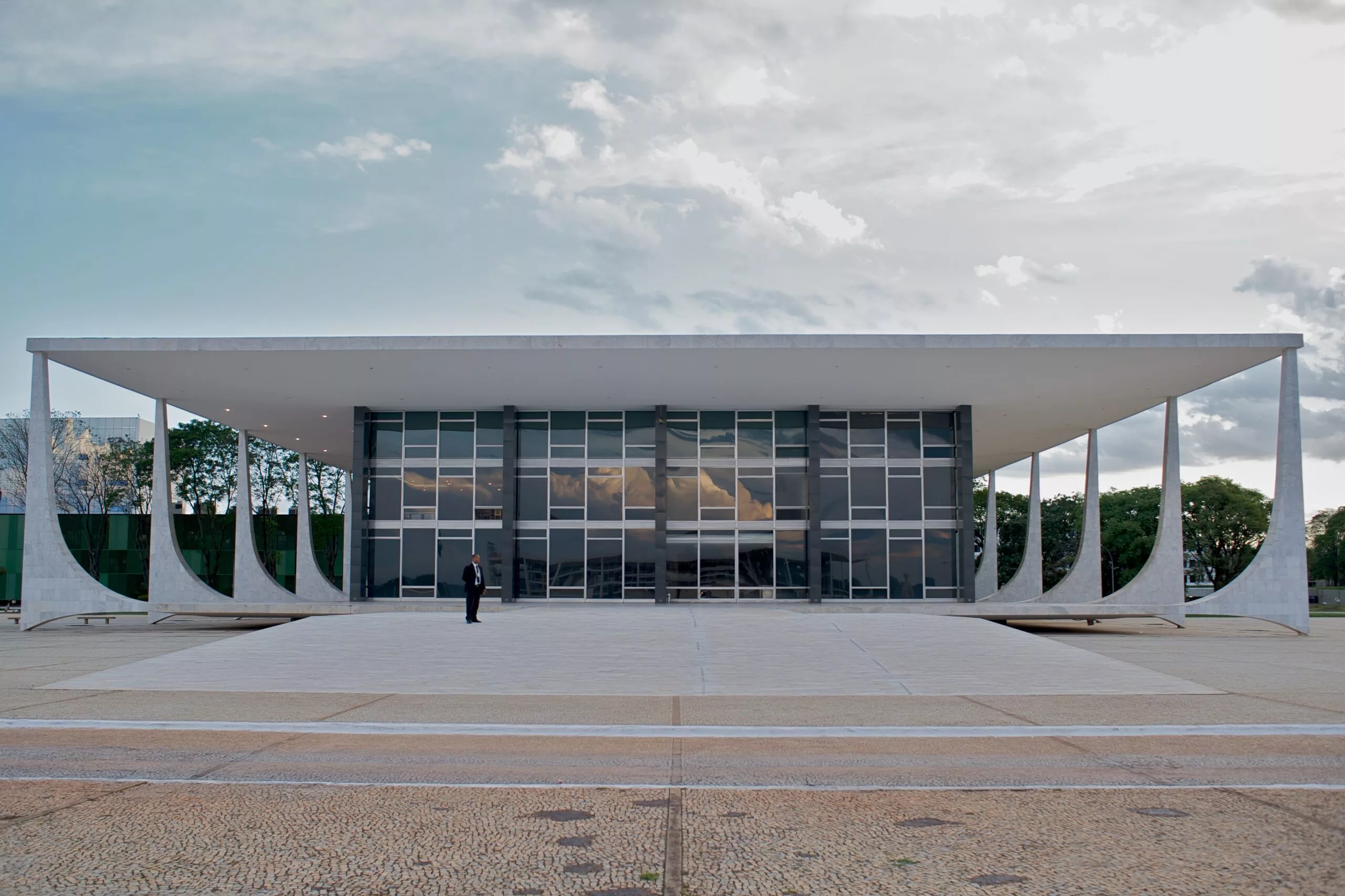
Speaking in Atlanta after a G20 foreign ministers’ meeting, Rubio said Washington was not directly involved in Flávio’s departure. He added that President Donald Trump had said Flávio would be let in at a US port of entry, and that this happened.
Rubio also said Flávio already held a US visa and that Trump decided to let him enter. He expects to meet Brazil’s foreign minister, Mauro Vieira, at a G7 forum of wealthy democracies in France, with no date given.
Step One: What the Supreme Court Can Do in the Flávio Bolsonaro US Case
Justice Alexandre de Moraes of the Supreme Federal Court, known as the STF, ordered Flávio to hand over his passports in a money-laundering investigation. He also barred contact with the lawyer Willer Tomaz, and both men deny wrongdoing.
On Tuesday 27 October, three lawmakers from President Lula’s Workers’ Party asked Moraes to order his preventive arrest, meaning detention before trial. They also asked that, if he is arrested, he be placed on an Interpol red notice, the international police alert.
Under Article 53 of Brazil’s Constitution, a sitting senator can be arrested only when caught in the act of a crime with no bail. The Senate then votes on whether to keep him in custody.
No ruling on the arrest request has been published, and Brazil’s Federal Police say the passports were not handed in before he left. The court could leave the request pending, tighten its measures or move the investigation forward.
Step Two: The Senate and His Term
The Senate’s own records list Flávio as a senator for Rio de Janeiro with a term from 2019 to 2027. That means the seat, and the legal protections that come with it, end in early 2027.
Under Article 55 of the Constitution, a lawmaker who misses a third of a year’s sessions without authorized leave can lose the seat. No Senate decision on his absence has been reported, and leaders could also grant leave or wait.
Step Three: Diplomacy in the Flávio Bolsonaro US Case
Brazil’s foreign ministry, known as Itamaraty, is the channel for any formal request to Washington, and Vieira leads it. The 1961 extradition treaty between the two countries works from a list of offenses, so any charge would have to fit that list.
A formal extradition request also needs an arrest order from a court first. A criminal cooperation agreement in force since 2001 lets the two countries swap evidence such as bank records, but not people.
The Rubio-Vieira meeting in France would be the first visible sign of how both governments want to handle the Flávio Bolsonaro US case. No public request from Brasília to Washington to return Flávio has been confirmed.
Step Four: Parole, Asylum and US Immigration Rules
Brazilian reports call the entry permission humanitarian parole, a temporary permission granted case by case. Those reports mention a one-year term in the Flávio Bolsonaro US case, but the US government has not confirmed it.
Asylum, which is lasting protection for people who fear persecution, is a separate process, and no application has been confirmed. US rules let people on US soil apply, generally within a year of arriving.
An applicant must show a well-founded fear of persecution on grounds such as political opinion. Prosecution for an ordinary crime such as money laundering does not usually count, so the outcome would turn on the facts.
What Prediction Markets Say
On Polymarket, a crypto-based market, bettors put the chance of his arrest before 2027 at 2.2%, with about US$28,700 traded (1 November, 04:15 ET). A separate contract on his return to Brazil by 31 December 2026 stood at 5.5%.
Why we show this: prediction markets turn real-money bets into a live probability that moves within minutes of the news, which is why investors, campaigns and newsrooms in the United States now follow them closely. We show them next to polls and official results, never instead of them.
What It Means for US Readers
The Flávio Bolsonaro US case puts a US entry decision at the center of a dispute with Brazil, Latin America’s largest economy. Investors in Brazilian assets should watch for any court order that touches US visas or cooperation.
The next signals are a Supreme Court decision on the arrest request, a Rubio-Vieira meeting and any asylum filing. Each would show whether the dispute spills into trade and security talks.
What Is Not Known
In the Flávio Bolsonaro US case, it is open whether Moraes will rule on the arrest request and whether Flávio will apply for asylum. How long his entry permission lasts and where he will live are also unclear.
Nobody has confirmed whether Brazil will formally ask the United States to return him. The Senate has not said how it will treat his absence.
More: Brazil news in English, every day from The Rio Times.
Frequently Asked Questions
Can Brazil bring Flávio Bolsonaro back from the United States?
Only through a formal extradition request, which needs an arrest order from a court first. No such order has been published, and the 1961 treaty works from a list of offenses.
Is Flávio Bolsonaro under arrest?
No arrest warrant has been published. Moraes ordered his passports surrendered, and Brazil’s Federal Police say he left without handing them in.
Did the US government help him leave Brazil?
Rubio said on 31 October that the US government was not directly involved in any arrangement for his departure. He said Trump had made clear Flávio would be let in at a US port of entry, and that this happened.
Has Flávio Bolsonaro asked for asylum in the US?
No application has been confirmed. US rules let people on US soil apply for asylum, generally within a year of arriving.
What happens to his Senate seat?
His term is listed as 2019 to 2027, so it ends in early 2027. The Senate has not said how it will treat his absence.
Sources: Brazilian Federal Senate, senator profile of Flávio Bolsonaro (term 2019-2027), 1 November 2026; Constitution of Brazil, Articles 53 and 55, accessed 1 November 2026; Brazil’s Supreme Federal Court, official site, 1 November 2026; US Department of State, Secretary Rubio’s press conference after the G20 foreign ministers’ meeting, Atlanta, 31 October 2026; Extradition Treaty between Brazil and the United States, 1961 (Decree 55,750 of 1965), 1965; US Citizenship and Immigration Services, asylum rules, accessed 1 November 2026.
This article was produced by The Rio Times’ automated newsroom system. How we use AI · Report an error · Editorial responsibility: Matthias Camenzind, Editor-in-Chief
Brazil runoff, Sunday, October 25: Brazil runoff: date, poll closing times and when results start. Latest: Brazil runoff polls, Flávio 51%, Lula 49%.