Europe’s New Conservative Era: Implications for Left-Wing Leaders Like Lula
(Analysis) In the aftermath of the June 2024 EU elections, a strong right-wing shift emerged within European politics.
This trend gained further emphasis after French President Emmanuel Macron dissolved Parliament following a major electoral loss.
With Marine Le Pen’s National Rally leading at 31.5% and Macron’s party trailing at 15.2%, Macron announced snap legislative elections for June 30.
Consequently, a broader European tilt towards conservative ideologies became apparent.
This transition away from entrenched left-wing influences could instigate significant modifications to European legislation and socio-political landscapes.
Established labor protections, social policies, and environmental regulations may see reevaluation.
Market-friendly policies such as tax cuts, deregulation, and privatization may dominate, along with tougher immigration laws.
Germany’s AfD and Italy’s Brothers of Italy reflect public discontent with current politics and economics.
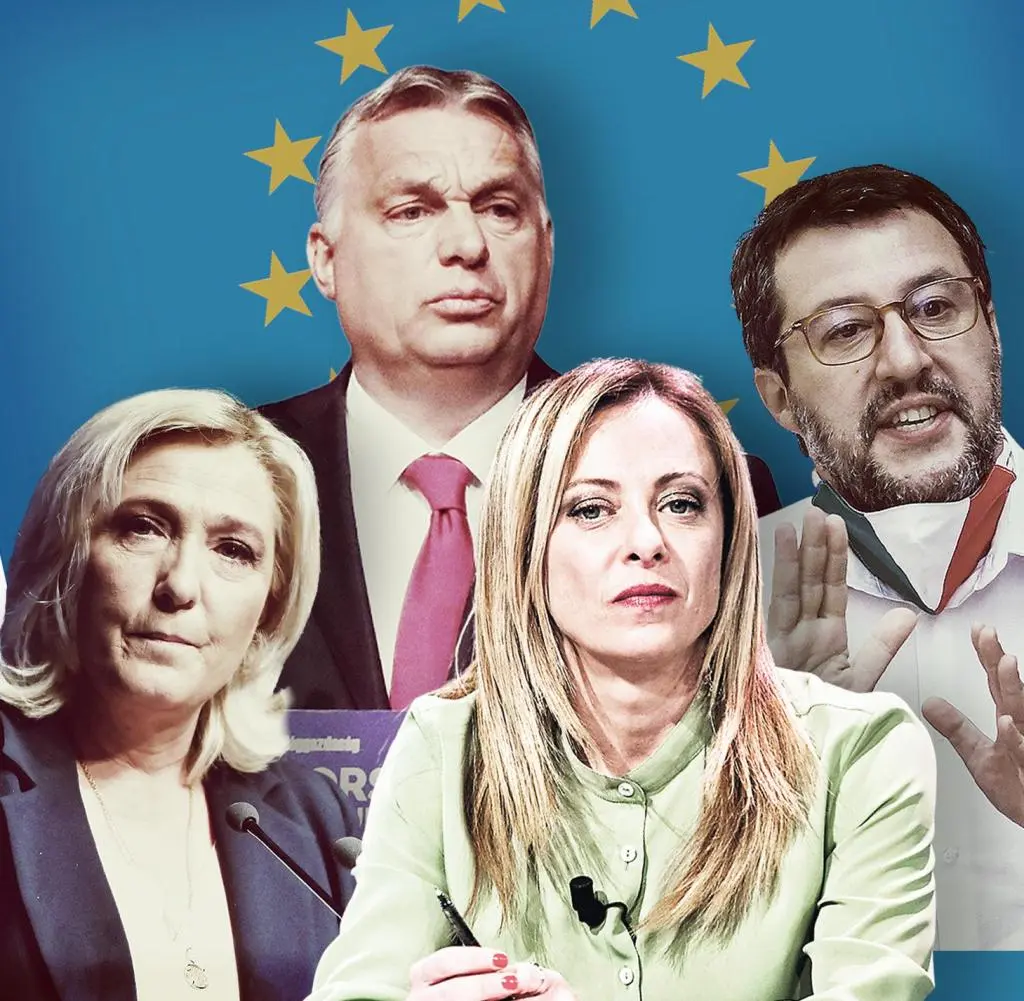
This dissatisfaction fuels nationalist movements prioritizing sovereignty and identity over EU multiculturalism and integration.
Globally, the impact of Europe’s political shift reverberates, influencing international relations and strategic interests.
Nations such as China, Japan, and India are closely monitoring how these changes might affect trade ties.
Europe’s New Conservative Era: Implications for Left-Wing Leaders Like Lula
In Latin America, leaders like Brazil’s President Luiz Inácio Lula da Silva assess global trade impacts and rising political extremism.
However, it will be significant that leftist figures like Lula and Petro can no longer rely on verbal and moral support from the developed world’s new elite.
Until now, these South American officials have convincingly assured their constituents of European support for their views and disapproval of the opposition, thereby gaining popular backing.
This has always made a strong impression on e.g. many poorly educated Brazilians, who then revered Lula as a visionary leader.
Lula remains a hero in the less educated Northeast, while the wealthier, educated South and Southeast have long favored Lula’s opponents.
Soon, however, the opposition under Bolsonaro and Milei may claim such support, with Lula’s actions criticized by Paris, Berlin, and Rome.
If Trump becomes president, this trend could intensify, forcing Lula to devise new strategies to remain in power.
This conservative surge challenges Europe’s traditional political frameworks and redefines its global role.
More: Brazil news in English, every day from The Rio Times.
This article was drafted with automated assistance and reviewed before publication. How we use AI · Report an error
Read More from The Rio Times