Zambia Resolution: European Parliament Seeks Probe Into Kafwaya Killing
ZAMBIA · POLITICS
Key Facts
- —What happened The European Parliament adopted a resolution on post-election repression in Zambia on 17 September 2026.
- —The vote 562 members voted in favour, 1 voted against and 33 abstained.
- —Who it concerns Mutotwe Kafwaya, described in the text as an opposition member and former minister.
- —What is asked Independent and transparent investigations into his killing and into allegations of unlawful force and arbitrary arrest.
- —The catch The resolution is not legally binding, and Zambia has not said it will open such an inquiry.
- —What comes next Parliament asked the EU and its member states to raise the concerns at the highest political level.
Lawmakers in Strasbourg voted almost unanimously to ask Lusaka for independent and transparent investigations after the August 2026 election.
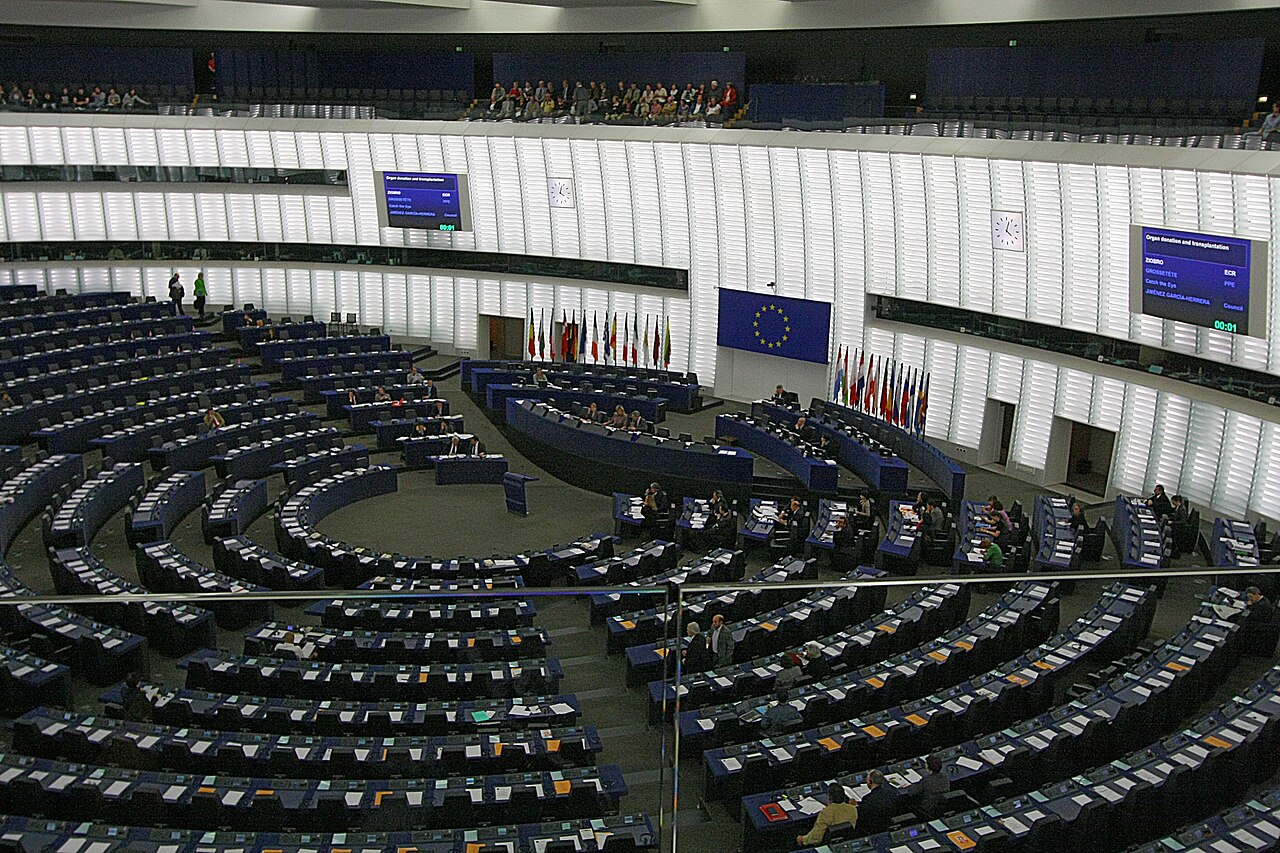
The European Parliament adopted a Zambia resolution on Thursday, 17 September 2026, by 562 votes to 1. It urges independent investigations into the killing of opposition member Mutotwe Kafwaya.
What the Zambia resolution says
Parliament debated the text on Wednesday, 16 September, and adopted it the next day. Its title is “Post-electoral repression in Zambia and the killing of Mutotwe Kafwaya.”
The vote was 562 in favour, 1 against and 33 abstentions, according to the roll-call record. It was adopted under the urgent procedure Parliament uses for human-rights cases.
It condemns the killing of Kafwaya and what it calls an increase in political repression since the elections.
Its central request is for “independent and transparent investigations” by the Zambian authorities. These should cover all allegations of unlawful use of force, arbitrary arrest and intimidation.
The text asks that investigators look “particularly” at the circumstances of Kafwaya’s death. It also says those responsible should be held accountable.
It adds that security operations should be proportionate and follow the rule of law.
What happened on 14 August 2026
Zambia held general elections on Thursday, 13 August 2026. The next day, security forces carried out an operation in the Kabulonga area of Lusaka.
The property was linked to opposition presidential candidate Brian Mundubile. The resolution says security forces arrested several opposition members there and fatally shot Kafwaya.
Kafwaya served as a minister under the Patriotic Front government between 2016 and 2021, according to Africanews. Zambian media also describe him as a former member of parliament for Lunte.
Police gave a different account of the operation. Inspector General of Police Graphel Musamba said officers met gunfire on arrival and returned fire.
Police said 11 people were arrested at the property, Zambian media reported. Police said the raid targeted a suspected militia that threatened state security, according to Africanews.
Opposition figures dispute the official version of events. Amnesty International has called for an independent investigation, Lusaka Times reported.
The wider concerns in the text
The resolution goes beyond the single killing. It says Mundubile and his running mate, Makebi Zulu, were detained and charged with treason with 16 others.
Treason suspects in Zambia cannot be released on bail, the text notes. Their lawyers say they have had difficulty meeting them in prison.
Citing the Zambian Human Rights Commission, the text says at least 84 people were detained without formal charges. It adds that seven opposition figures and critics had their passports revoked.
It also raises media freedom. Five broadcasting stations face compliance hearings at the Independent Broadcasting Authority, the text says.
Parliament asked Zambian authorities to give detainees access to lawyers, family and medical care. It also called for fair trials before independent courts without delay.
Concern is not limited to Europe. UN human rights chief Volker Türk earlier called on the authorities to stop arbitrary arrests, Africanews reported.
Michael McNamara, who led the EU Election Observation Mission, called post-election events a “profound shock” to him, Zambian outlets reported.
Why this matters to expats and investors
The resolution recalls that the EU has deepened its partnership with Zambia. It names Global Gateway, the EU’s infrastructure investment plan, and a Critical Raw Materials Partnership.
Zambia is a major copper producer, so these links matter for mining and energy projects. European lenders and companies often weigh rights and rule-of-law questions when they judge risk.
The resolution does not change taxes, permits or contracts. It does not suspend aid or trade either.
For residents, the practical points are court access, media freedom and how security operations are carried out. These affect daily business confidence more than any single vote.
Anyone with staff or assets in Zambia may want to follow official statements from Lusaka and the EU delegation.
What is not yet known
It is not known whether President Hakainde Hichilema’s government will open an independent inquiry. No official response to the Zambia resolution had been reported by 18 September 2026.
The full, independently tested account of the 14 August operation is also not public. The police version and the opposition version still differ.
It is also unclear whether any officer involved in the operation has been questioned or suspended.
The outcome of the treason cases against Mundubile, Zulu and the others is not yet known.
What comes next after the Zambia resolution
Parliament sent the text to the EU Council and Commission, the African Union, the UN and Zambia’s government and parliament.
It also asked the EU to monitor court cases, support civil society and follow up on the EU election observers’ recommendations.
The resolution also encourages all sides to show restraint, reject violence and work towards national reconciliation.
The next steps now rest mainly with Zambia’s government, courts and security services.
Frequently Asked Questions
Frequently Asked Questions
What did the European Parliament vote on?
A resolution on post-election repression in Zambia and the killing of Mutotwe Kafwaya. It passed on 17 September 2026 by 562 votes to 1, with 33 abstentions.
Is the resolution binding on Zambia?
No. It is a political statement by the European Parliament, not a court ruling or a sanction.
Who was Mutotwe Kafwaya?
An opposition member and former minister. He was killed on 14 August 2026 during a security operation in Lusaka’s Kabulonga area.
Connected Coverage
Zambia Charges Its Election Runner-Up With Treason
Mundubile Surrenders to Zambian Police After Two Weeks in Hiding
Sources: European Parliament resolution P10_TA(2026)0311 of 17 September 2026 and Legislative Observatory; HowTheyVote.eu; Zambia Police statement; News Diggers; Lusaka Times; Africanews; Open Zambia.
This article was produced by The Rio Times’ automated newsroom system. How we use AI · Report an error
Read More from The Rio Times