EU CBI Crackdown Could Reshape Wealthy Nigerians’ Migration Plans
Nigeria · FINANCE
Key Facts
—EU deadline: Five Eastern Caribbean states face a June 1, 2028 deadline to reform or end their citizenship-by-investment programmes or lose visa-free Schengen access.
—Nigerian demand: Nigerians made up about 16 percent of Grenada’s CBI applications in 2025, ahead of China at 12 percent, making them a leading source market.
—Investment thresholds: Caribbean CBI programmes require minimum investments reported at around $200,000 though premium real-estate routes can run higher.
—Mobility gap: A Nigerian passport offers visa-free access to only about 44 countries, while Caribbean CBI passports can open access to 140-plus countries and territories, including much of Europe.
—Caribbean fiscal hit: Antigua and Barbuda’s government has warned it cannot abandon the programme without viable and credible replacement revenues, pointing to its role in funding hospitals, schools and disaster recovery.
—EU security concerns: The European Parliament has argued that CBI schemes pose risks tied to money laundering, corruption, tax evasion, and security, calling for a Union-wide phase-out by 2025 in March 2022.
The European Union’s crackdown on Caribbean citizenship-by-investment programmes could fundamentally alter how wealthy Nigerians secure second passports, with a 2028 deadline threatening to strip the schemes of their most valuable feature: visa-free access to the Schengen area.
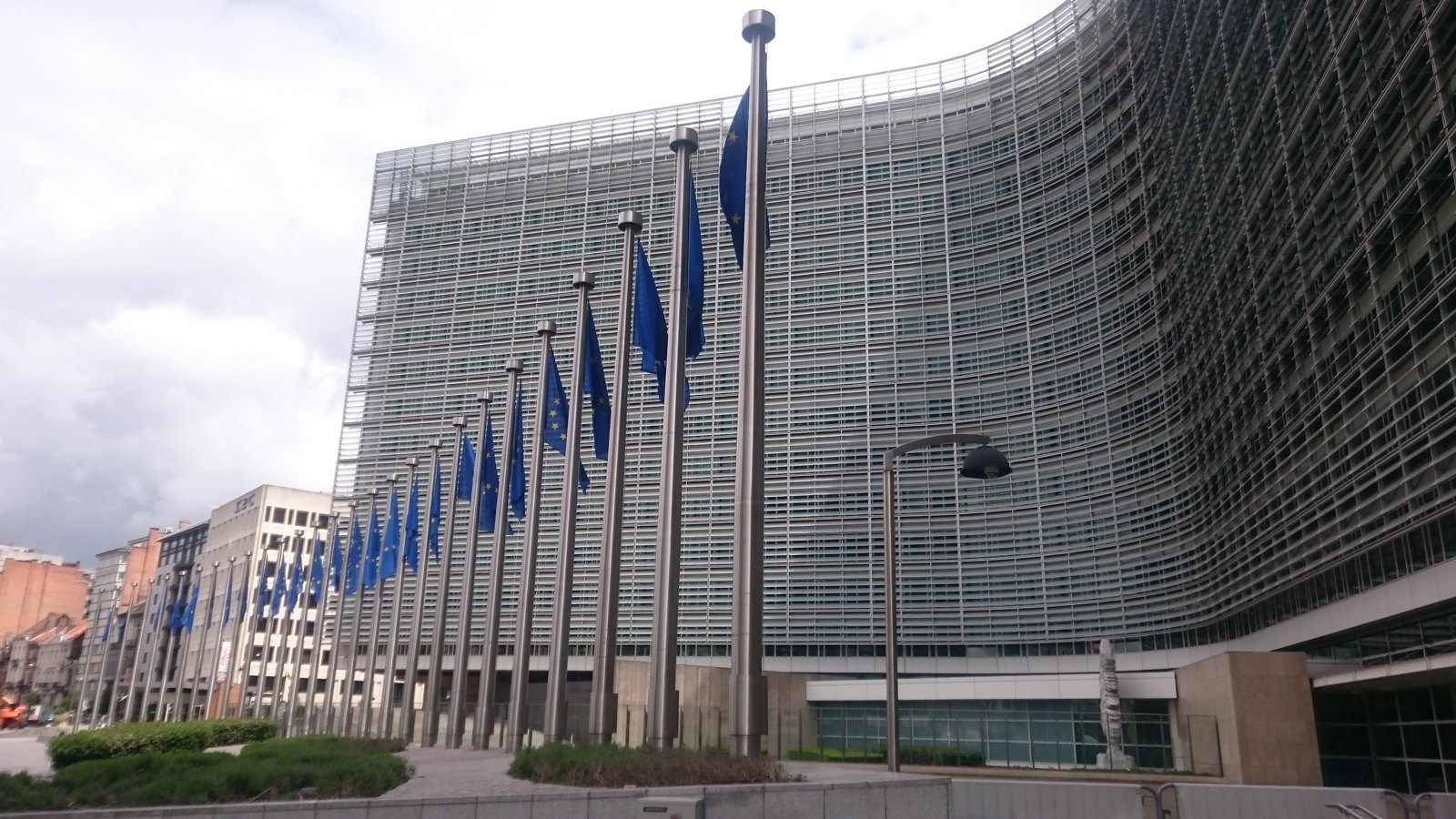
The EU CBI crackdown and its 2028 deadline
Brussels has given five Eastern Caribbean nations until June 1, 2028 to either deeply reform or phase out their citizenship-by-investment programmes. The targeted states are Antigua and Barbuda, Dominica, Grenada, Saint Kitts and Nevis, and Saint Lucia.
If they fail to comply, the European Union has warned it could withdraw visa-free travel privileges to the Schengen zone. That would strip Caribbean CBI passports of their main selling point for wealthy Nigerians who use them to access Europe for business, education, and healthcare.
The European Parliament laid the groundwork for this push in March 2022, when it explicitly called for a Union-wide phase-out of CBI schemes by 2025. The European Commission had earlier warned, in both 2019 and 2022, that investor-citizenship programmes can undermine the bloc’s integrity and pose security and money-laundering risks.
Why wealthy Nigerians buy second passports
A Nigerian passport offers visa-free access to only about 44 countries, most of them within Africa. By contrast, a Caribbean CBI passport can unlock travel to more than 140 countries and territories, including the Schengen area, the United Kingdom, and other major destinations.
For high-net-worth Nigerians, second citizenship functions as a form of insurance. It provides a hedge against domestic policy shocks, naira volatility, and travel restrictions while opening doors to international education, healthcare, and asset diversification.
Demand from Nigeria is substantial. In 2025, Nigerians accounted for about 16 percent of Grenada’s CBI applications, making them the largest single source market ahead of China at 12 percent. The programmes require minimum investments reported at around $200,000, with premium real-estate routes running higher.
The security argument driving Brussels
The EU’s objection centres on the absence of what it calls a “genuine link” between applicants and the countries selling citizenship. Brussels argues that weak vetting standards can allow criminal actors, sanctioned individuals, and illicit capital to obtain alternative passports and then move freely into Europe.
The European Parliament has specifically flagged risks around money laundering, corruption, tax evasion, and security. The concern is not only about Caribbean vetting capacity but also about preventing adversaries and sanctioned networks from using citizenship-by-investment channels to bypass European border controls.
This is a case of visa diplomacy functioning as economic use. The Schengen visa-free regime is one of the EU’s strongest external policy instruments, and Brussels is now conditioning access on how partner states manage their citizenship programmes.
Caribbean states caught between revenue and sovereignty
For the five Caribbean nations, citizenship-by-investment is not a side business. It is a major fiscal pillar. Antigua and Barbuda’s government has warned it cannot abandon the programme without viable and credible replacement revenues, pointing to its role in funding hospitals, schools and disaster recovery.
These small states built a revenue model around selling citizenship to global investors, and the EU is now forcing a fundamental rethink. The choice is stark: reform vetting and issuance standards to Brussels’ satisfaction, or watch the passports lose their premium value for buyers.
The standoff also raises questions about regulatory sovereignty. The EU is effectively telling independent Caribbean nations that their citizenship laws are acceptable only if they do not compromise the bloc’s internal security and visa regime.
What changes for Nigerian elites
If Schengen access is removed, the practical value of Caribbean CBI passports for Nigerians could fall sharply. The passports would still offer access to destinations such as the United States and the United Kingdom, but losing Europe would erase a core reason for the investment.
Wealthy Nigerians may begin shifting their attention to alternative residency and citizenship routes. The broader pattern is one of elite hedging: as domestic economic and political uncertainty persists, high-net-worth individuals increasingly treat offshore mobility and second passports as essential risk-management tools.
The story also reflects Africa’s wider mobility gap. The mismatch between the strength of African passports and the global business needs of the continent’s wealthy is a structural driver of demand for citizenship-by-investment products, a dynamic explored in our pillar Africa: The New Scramble.
The great-power subtext and what to watch
Beneath the surface, the EU CBI crackdown is about trust and alignment. Brussels is not only policing Caribbean vetting standards; it is also working to prevent sanctioned networks and rival powers from using alternative citizenship channels to gain access to European territory.
The 2028 deadline gives Caribbean governments a narrow window to negotiate reforms or find new buyers outside the Schengen zone. For Nigerian applicants, the clock is ticking on a product that has long served as a fast track to global mobility.
The next milestone to watch is whether any of the five Caribbean states choose to challenge the EU’s conditions or instead accelerate reforms to preserve visa-free access. Either outcome will send a clear signal about the future price and utility of a second passport for Africa’s wealthy.
More: Nigeria news in English, every day from The Rio Times.
Frequently Asked Questions
What is the EU’s deadline for Caribbean CBI programmes?
Five Eastern Caribbean states have until June 1, 2028 to reform or end their citizenship-by-investment schemes or risk losing visa-free Schengen access.
How many Nigerians use Caribbean CBI programmes?
Nigerians made up about 16 percent of Grenada’s CBI applications in 2025, making them the largest source market ahead of China at 12 percent.
What happens to Nigerian CBI passport holders if Schengen access is removed?
The passports would still offer access to destinations such as the United States and the United Kingdom, but losing visa-free European travel would sharply reduce their practical value.
Connected Coverage
For more on how great-power competition and elite capital flows are reshaping Africa’s place in the global order, read our pillar Africa: The New Scramble.
Sources
This article was produced by The Rio Times’ automated newsroom system. How we use AI · Report an error
LatAm Markets: Live Signals → — real-time movers, turnover leaders and FX across Latin America.
Read More from The Rio Times