Embraer Takes Full Control of 1,100-Worker Chihuahua Plant
Aerospace: São José dos Campos
Key Facts
—Deal. Embraer has taken full ownership of EZAir, its interiors plant in Chihuahua, Mexico, after buying out partner Safran Cabin’s 50% stake.
—Timeline. Safran and Embraer signed the sale agreement on 19 January 2026; the transfer closed on 1 July 2026 after regulatory approvals.
—What it makes. The plant builds complete cabin interiors for Embraer’s E-Jet E1 and E2 regional aircraft — overhead bins, galleys, lavatories, floor panels and sidewalls.
—Jobs. The Chihuahua site employs about 1,100 people and now sits fully inside Embraer’s structure.
—Context. Owning EZAir outright makes Embraer, the company says, the only manufacturer in Mexico able to produce every component of an aircraft cabin system.
Brazil’s Embraer has bought out Safran to take full control of its Chihuahua plant in Mexico, the factory that builds the cabin interiors for its E-Jet regional aircraft.
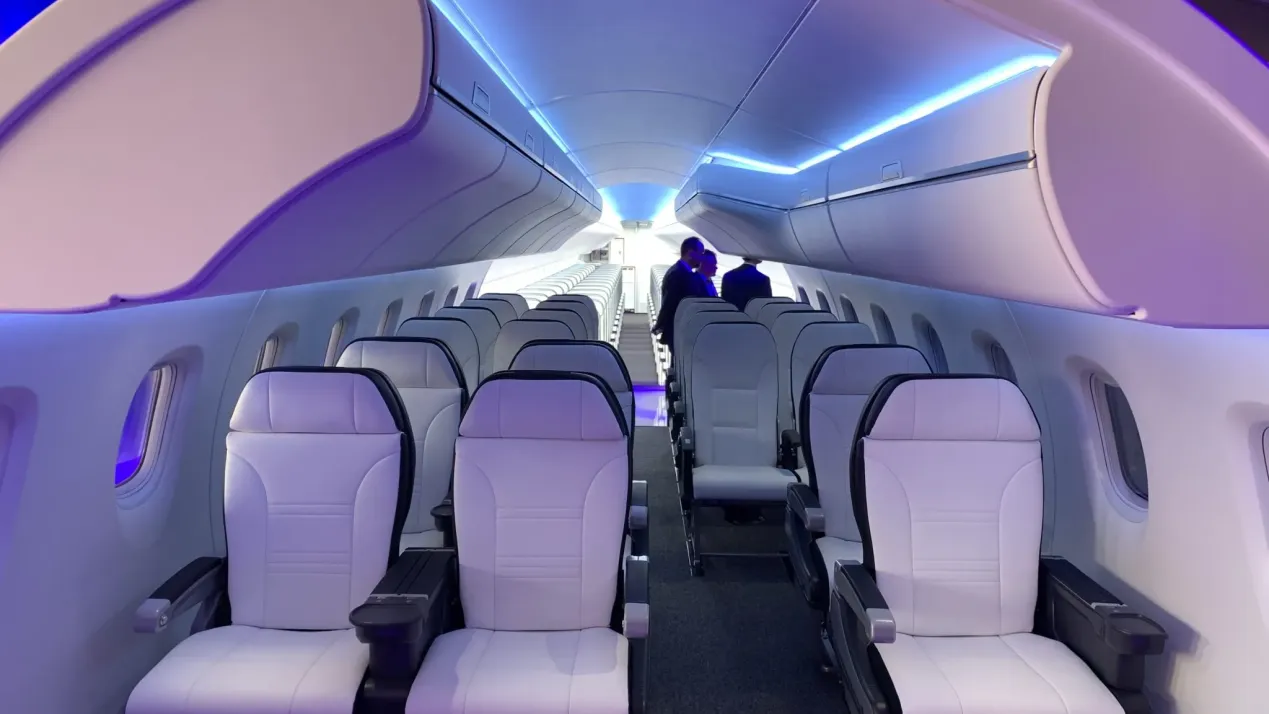
Embraer Buys Out Its Partner in Chihuahua
Embraer, headquartered in São José dos Campos in São Paulo state, has completed the purchase of the 50% stake held by France’s Safran Cabin in EZAir, their aircraft-interiors joint venture in Chihuahua, in northern Mexico. The move gives the Brazilian planemaker sole ownership of a plant it had run as an equal partner.
The two groups first disclosed the deal on 19 January 2026, when Safran said it had entered a definitive agreement to sell its shares in the 50/50 venture. Embraer confirmed the transfer had closed on 1 July 2026, once customary regulatory approvals and closing conditions were met.
Financial terms were not disclosed by either company. The agreement also covered associated aftermarket work and related engineering and manufacturing activities in Brazil that had been tied to the venture; non-Embraer engineering services in Brazil stay with Safran.
What the Chihuahua Plant Builds
EZAir supplies complete interiors for Embraer’s E-Jets, the first-generation E1 and the newer E2 family of regional jets. That work spans overhead luggage bins, galleys, lavatories, floor panels and cabin sidewalls — the visible cabin that passengers see and touch.
The Chihuahua site employs roughly 1,100 people. With full ownership, Embraer says the operation becomes the only one in Mexico capable of producing every component of an aircraft cabin system in a single location.
For readers outside the sector, cabin interiors are a high-value, design-sensitive part of building an aircraft. Controlling that production line lets a manufacturer manage quality, delivery timing and customization for airline customers more directly.
Live Company IntelligenceEmbraer SA ADR — the full investor dossier
Wall Street view
Valuation & profitability
Price & risk
$55.5652-wk high
$66.87
Revenue trend · 6y
Ownership
Dividend
Why Embraer Wanted Full Control
Bringing the plant in-house folds a critical supply step back into the parent company. Analysts generally read such vertical-integration moves as an effort to protect margins and reduce reliance on a partner for a core product.
The deal also unwinds a long-running partnership with Safran, a large French aerospace group with 100,000 employees worldwide. For Safran, exiting the venture concentrates its cabin business elsewhere while it keeps unrelated engineering services in Brazil.
Embraer has been expanding its commercial-jet order book alongside its defense and executive-aviation lines, and steady interiors output is central to hitting delivery targets on the E2 program.
A Bigger Bet on Mexico
The transaction deepens Embraer’s footprint in Mexico at a time when the country is a growing hub for aerospace manufacturing, particularly around Chihuahua, Querétaro and Baja California. Mexican officials have framed the plant as a long-term local employer.
Chihuahua’s state government described the outcome as the consolidation of Embraer’s presence in the state, built over several years of joint work between authorities, Safran and Embraer.
Keeping and expanding the workforce matters locally: aerospace jobs are skilled, comparatively well paid, and anchor a supplier ecosystem around the main plant.
What Comes Next
With EZAir fully absorbed, attention turns to whether Embraer expands the Chihuahua operation or shifts more interiors work there as E2 deliveries ramp up. The company has not announced new investment figures tied to the takeover.
For airline customers, sole ownership is meant to simplify how cabins are specified and delivered. For Mexico, it signals that a marquee foreign manufacturer is committing further to local production rather than pulling back.
The broader question is how the move fits Embraer’s global strategy as it competes with larger rivals and manages supply chains stretched across Brazil, Mexico, the United States and Europe.
More: Brazil news in English, every day from The Rio Times.
Frequently Asked Questions
What did Embraer buy in Chihuahua?
Embraer acquired the remaining 50% of EZAir, its aircraft-interiors joint venture in Chihuahua, Mexico, from Safran Cabin, taking full ownership of the plant that builds its E-Jet cabin interiors.
When did the Embraer–Safran deal close?
Safran and Embraer signed the agreement on 19 January 2026, and the transfer closed on 1 July 2026 after regulatory approvals. Financial terms were not disclosed.
How many people work at the plant?
The Chihuahua site employs about 1,100 people and now operates fully within Embraer, which says it is the only facility in Mexico able to make every cabin-system component.
Sources
Safran · FlightGlobal · AeroTime · El Bordo
Connected Coverage
More Brazil business and industry coverage from The Rio Times
Sources: Safran press release; FlightGlobal; AeroTime; El Bordo (Chihuahua).
This article was produced by The Rio Times’ automated newsroom system. How we use AI · Report an error
Read More from The Rio Times