Brazil’s Gripen Fighter Fleet to Double to 56 Jets
Brazil · Defense
Key Facts
—Aircraft added. The framework covers 20 additional Gripen jets, raising Brazil's planned fleet from 36 to 56 fighters.
—Where they are built. Embraer will assemble the aircraft at its Gavião Peixoto industrial complex in São Paulo state.
—Partnership structure. Brazil remains the only country outside Sweden licensed to produce the Gripen fighter.
—Timeline. The heads of agreement was signed on 21 July 2026; a final contract is expected later this year.
—Contract value. No purchase price or contract value was disclosed for the 20-jet production framework.
Saab and Embraer signed a framework agreement on 21 July to produce 20 additional Gripen fighter jets in Brazil, locking in years of high-skill assembly work at the Gavião Peixoto plant and cementing the country’s role as the only Gripen manufacturer outside Sweden.
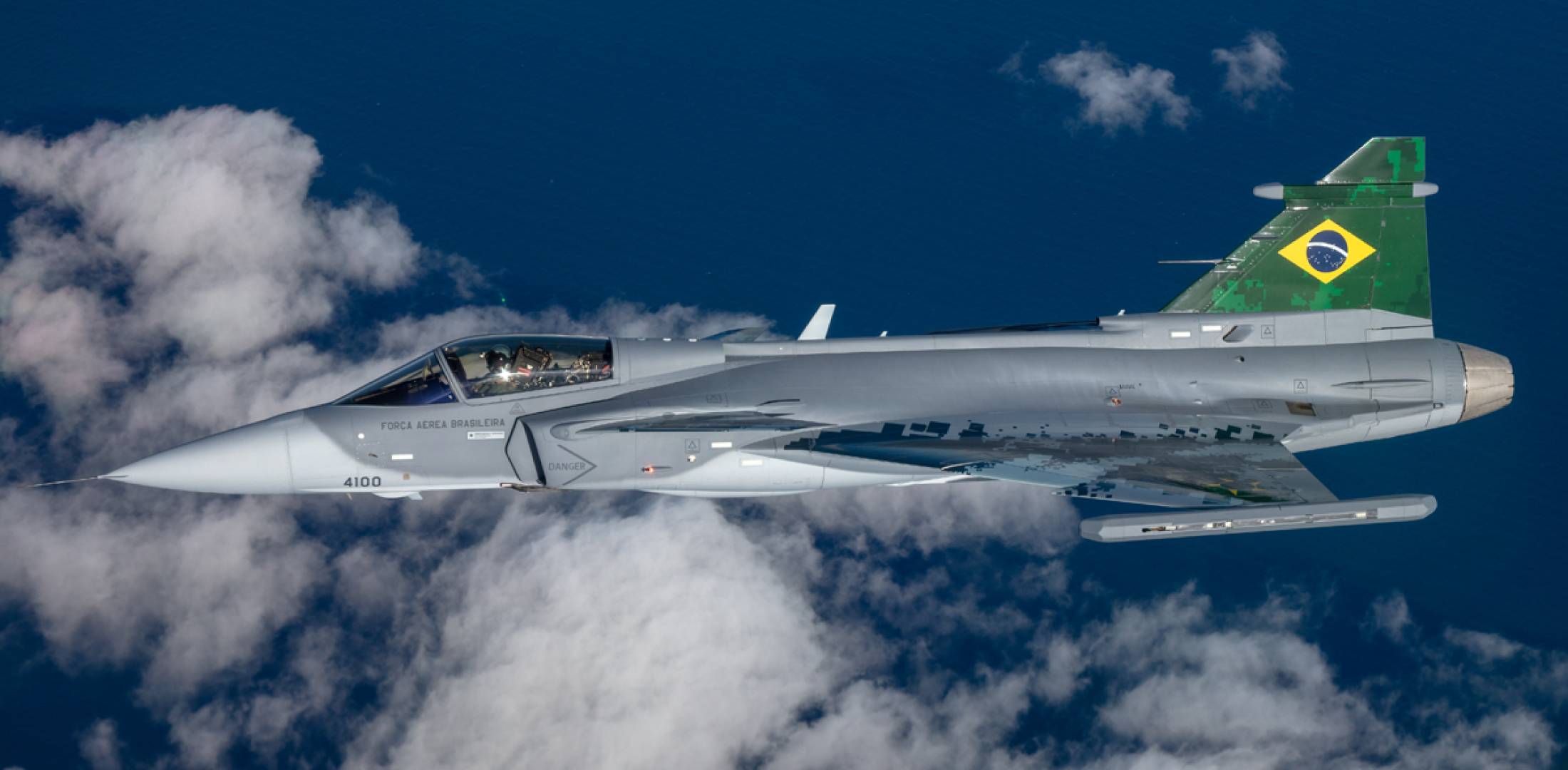
What the Gripen Agreement Locks In
The heads of agreement creates a production capacity framework for 20 new aircraft, raising Brazil’s planned Gripen fleet from 36 to 56 jets. Embraer will handle final assembly at its industrial complex in Gavião Peixoto, São Paulo state, complementing Saab’s existing line in Linköping, Sweden.
No contract value was disclosed. The two companies said they intend to finalize the corresponding agreement before the end of 2026, turning the framework into a binding production order.
In defense procurement, a heads of agreement functions as a detailed political and industrial roadmap. It signals that both governments and companies have aligned on the broad terms, even while lawyers and negotiators hammer out the precise contractual language.
For a program of this scale, that alignment is itself a significant milestone because it reduces the risk of a last-minute derailment over financing or technical conditions.
The Embraer-Saab Partnership Explained
For outsiders, the partnership works like this: Saab, the Swedish aerospace and defense company, designs and develops the Gripen. Embraer, the Brazilian aerospace giant headquartered in São José dos Campos, acts as the local industrial partner responsible for assembling a share of the jets on Brazilian soil.
Under the original 2014 contract for 36 aircraft, 15 of the fighters were already slated for final assembly at Gavião Peixoto. The new framework deepens that arrangement, channeling more work through the same facility and its Brazilian workforce.
This structure is unusual in the global fighter-jet market. Most combat-aircraft programs keep final assembly tightly controlled inside the designing nation.
By licensing Embraer to build Gripens, Sweden gave Brazil something closer to a joint-venture model, one that transfers not just maintenance skills but actual manufacturing know-how.
Live Company IntelligenceEmbraer SA ADR — the full investor dossier
Wall Street view
Valuation & profitability
Price & risk
$59.2252-wk high
$66.87
Revenue trend · 6y
Ownership
Dividend
What It Means for the Gavião Peixoto Plant
The agreement keeps high-value fighter assembly, systems integration, and skills development inside Brazil. Saab has said the expanded capacity is designed to help meet global demand for the Gripen, which implies a longer production horizon and more stable workflow for the São Paulo facility.
Brazilian aerospace engineers and technicians gain continued hands-on experience with a frontline combat aircraft program. The sources describe technological improvement and highly qualified jobs, though no precise headcount for the new framework has been published.
Gavião Peixoto itself is more than a factory floor. The site already houses Embraer’s main flight-test runway and defense assembly hangars, making it the natural center of gravity for any military-aircraft expansion.
Keeping the Gripen line active there helps sustain a cluster of specialized suppliers and engineering talent in the interior of São Paulo state, far from the traditional coastal industrial belt.
A 12-Year Industrial Choice
Brazil first selected the Gripen in 2014, choosing Saab’s bid over the French Rafale and the Boeing F/A-18 Super Hornet. The decision was built on a technology-transfer package that guaranteed local assembly and gave Embraer access to fighter-manufacturing know-how.
The Brazilian Air Force currently operates 12 single-seat F-39Es and one twin-seat F-39F, with earlier orders still being delivered. The new framework signals that Brasília is doubling down on that original industrial choice rather than opening a fresh competition.
That continuity matters for defense planning. Fighter jets are not off-the-shelf purchases; they require decades of pilot training, maintenance infrastructure, and weapons-integration work.
Sticking with the Gripen family means Brazil avoids the costly disruption of switching to a different manufacturer’s ecosystem mid-cycle.
What This Means for Expats and Investors
For foreign professionals and investors watching Brazil’s industrial landscape, the deal reinforces the long-term stability of the country’s high-tech aerospace sector. Embraer’s Gavião Peixoto facility, located in the interior of São Paulo state, becomes an even more critical hub for advanced manufacturing and engineering talent.
The expansion also strengthens the broader supply chain around the Gripen program. International suppliers and service companies with a presence in Brazil may see new opportunities as production scales up, even though specific contract values remain confidential.
Beyond the immediate aerospace circle, the agreement offers a real-world signal about Brazil’s ability to execute complex, long-term industrial partnerships. That perception can influence decisions by foreign firms weighing whether to place advanced manufacturing bets in the country.
What Happens Next
The heads of agreement is a preliminary step, not a final purchase order. Both companies have stated their intention to sign a binding contract before the end of 2026, which would formally trigger the production expansion.
Once finalized, the deal will extend the production timeline at Gavião Peixoto for several more years. For Brazil, that means a longer runway for technology absorption and a stronger negotiating position in any future defense procurement discussions.
Several open questions will shape what comes next. Will the final contract include a fixed price or an inflation-adjustment clause, and how will that affect Brazil’s defense budget?
Can the Gavião Peixoto workforce scale up quickly enough to meet the new delivery schedule without straining quality? And will other Gripen customers in Latin America or beyond see Brazil’s expanded line as a reason to place their own orders through the same facility?
The answers will determine whether this framework becomes a one-off fleet expansion or the foundation of a regional production hub.
More: Brazil news in English, every day from The Rio Times.
Frequently Asked Questions
How many Gripen jets will Brazil now have?
If the framework becomes a final order, Brazil's planned Gripen fleet will total 56 aircraft — 36 from the original 2014 contract plus 20 additional jets. The Brazilian Air Force currently operates 12 single-seat F-39Es and one twin-seat F-39F, with the remaining jets from the first batch still being delivered.
Where are the Brazilian Gripen fighters built?
Final assembly takes place at Embraer's Gavião Peixoto industrial complex in São Paulo state, the only Gripen production site outside Saab's Linköping plant in Sweden. Under the original deal, 15 of the 36 jets were already designated for assembly at this Brazilian facility.
Was a purchase price announced for the 20 new jets?
No — the 21 July heads of agreement covers production capacity only, and neither Saab nor Embraer disclosed a contract value for the additional aircraft. The framework sets the stage for a binding commercial agreement expected later in 2026, which may include financial details.
Connected Coverage
Sources: Saab; Embraer.
This article was produced by The Rio Times’ automated newsroom system. How we use AI · Report an error · Editorial responsibility: Matthias Camenzind, Editor-in-Chief
Read More from The Rio Times