Peru · Business
Key Facts
- —What Egypt has opened its market to fresh Peruvian blueberries, reported on 13 August 2026
- —Who Peru’s plant-health agency SENASA negotiated the phytosanitary access
- —Reach fresh blueberry from Peru now enters 76 international markets
- —Scale 2025 exports hit US$2.457 billion, up 8.2% on the year
- —Why it matters the US still buys more than half the crop, so Peru is spreading its risk
The 76th market is less about Egyptian appetite than about Peru’s scramble to find buyers beyond a tariff-heavy United States.
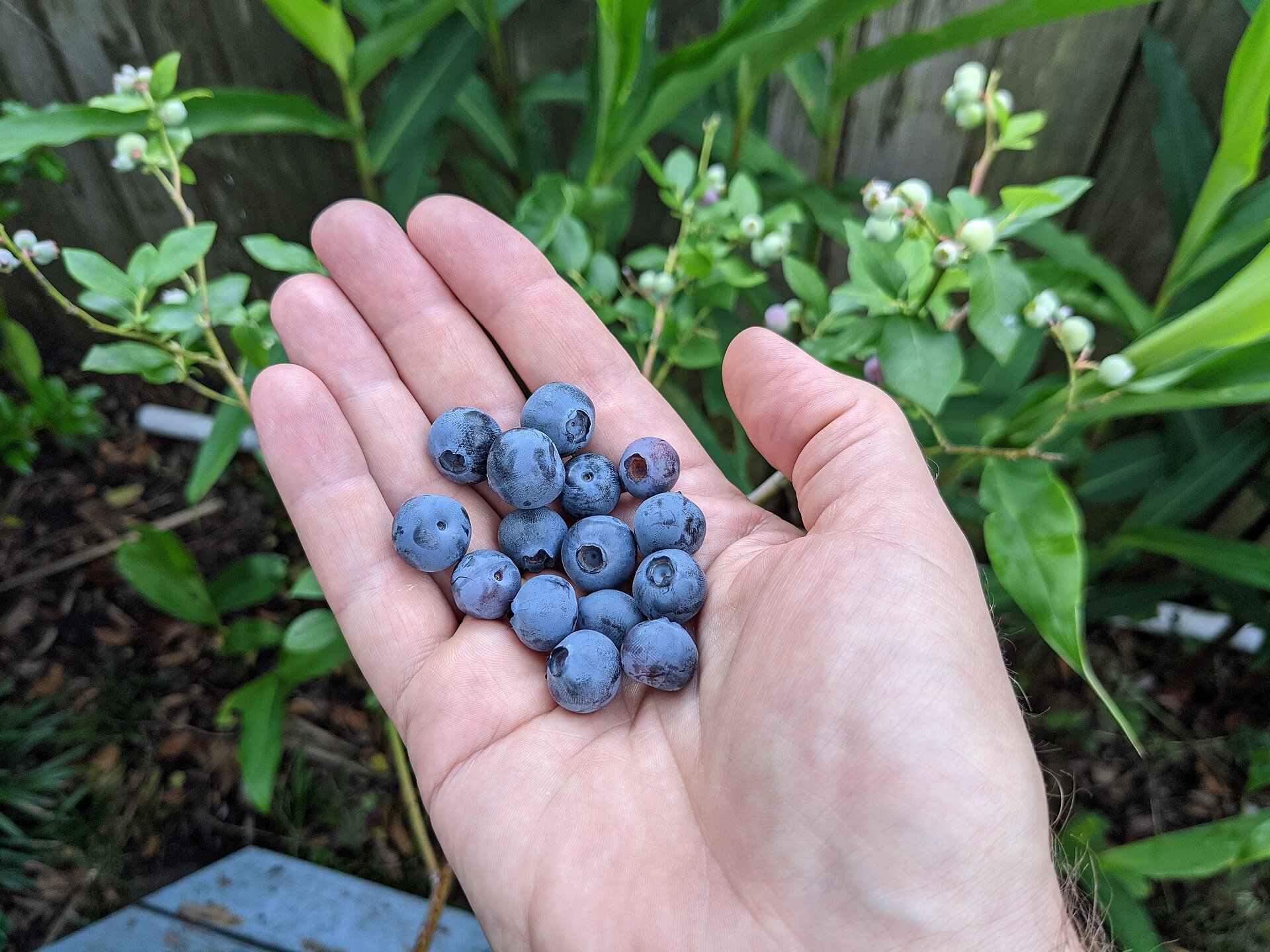
Peruvian blueberries can now enter Egypt for the first time. Peru’s plant-health agency, SENASA, negotiated the new phytosanitary access.
As a result, fresh blueberry from Peru now reaches 76 international markets.
What Egypt Just Agreed
Egypt has agreed to let fresh Peruvian blueberries enter its market. The opening was reported on 13 August 2026 after more than a year of technical talks.
Because the deal clears the plant-health hurdles that block most fruit trade, shipments can now begin. As a result, Egypt becomes a fresh commercial outlet in North Africa.
For Peru, the move adds one more destination to an already long list. Meanwhile, it signals how hard the sector is working to spread its risk across many buyers.
Why Peruvian Blueberries Needed a New Door
Peruvian blueberries depend heavily on a handful of rich, high-paying markets. However, that concentration has quietly become a strategic weakness.
The United States still buys more than half of Peru’s crop each season. Because new tariffs have squeezed that trade, producers now want credible alternatives.
Therefore each new market matters far more than its size alone suggests. In short, Egypt is less about volume today and more about long-term balance.
How SENASA Opened the Market
SENASA is Peru’s National Agrarian Health Service, the body that guards crops and exports. It negotiates the plant-health rules that let fresh fruit cross borders safely.
For the Egypt deal, SENASA led the detailed phytosanitary talks with Cairo. As a result, Peru met the pest and inspection conditions Egyptian authorities set for entry.
The agency has been unusually busy opening doors on many fronts. Meanwhile, it keeps adding agricultural market accesses across several countries through 2026.
Peru, the World’s Top Blueberry Exporter
Peru is the world’s largest exporter of fresh blueberries by a comfortable margin. It has held that lead since around the 2019 and 2020 campaign.
Because the desert-coast climate suits near year-round growing, output has climbed remarkably fast. As a result, Peru now ships more fresh blueberries than any other country.
MIDAGRI, the agriculture ministry, calls this a consolidated global leadership in the fruit. Still, officials know the position must be actively defended each and every season.
The Numbers Behind the 2025 Record
In 2025, Peru’s blueberry exports reached a record US$2.457 billion, according to official figures. That total was up 8.2% from the year before.
Market trackers put the calendar-year season even higher, near US$2,563 million. They also counted about 412,239 tonnes of fresh fruit shipped abroad.
In 2024, exports had already comfortably passed US$2 billion for the sector. Therefore the trend line points firmly and consistently upward.
Where the Berries Come From
Most of the crop grows on Peru’s dry, sunny northern coast. The La Libertad region leads the way by a wide and stubborn margin.
In the last campaign, La Libertad alone accounted for 49% of total export volume. Because the land and weather suit the fruit so well, the region dominates.
Other coastal valleys such as Lambayeque and Ica are expanding too. Meanwhile, growers keep planting newer, sweeter and firmer varieties for pickier buyers abroad.
The United States Problem
The United States remains Peru’s single biggest customer by a wide distance. It takes more than half of every season’s blueberry exports.
However, US tariffs have recently made that heavy reliance look risky. In 2025, Peru began steering more of its fruit toward China instead.
Because one large market can turn hostile almost overnight, spreading sales is simply prudent. As a result, Egypt fits neatly into a clear defensive strategy.
Why Counter-Season Timing Helps
Peru harvests its blueberries precisely when the Northern Hemisphere cannot. That timing lets it fill supermarket shelves during a global supply gap.
Because few rivals ship fresh fruit in those key weeks, prices tend to hold up. Therefore new markets can absorb the extra fruit without crushing returns.
Egypt, like many other buyers, wants quality berries when its own season is over. In short, Peru’s growing calendar is one of its strongest commercial cards.
What Egypt Adds to the Map
Egypt is an emerging blueberry market straddling the Middle East and North Africa. It gives Peru a valuable foothold in a fast-growing consumer region.
With Egypt now included, Peru reaches 76 international markets in total. Because that map keeps widening, no single buyer holds all the pricing power.
The volumes shipped to Egypt will most likely start small at first. Even so, a new door often opens onto a wider neighborhood of nearby buyers.
What It Means for Growers
ProArandanos speaks for the country’s blueberry producers and exporters as a group. Its members together represent about 80% of national blueberry production.
For these growers, extra markets mean steadier and more balanced demand over time. As a result, they can plan new plantings with a little more confidence.
Still, shipping logistics and market promotion remain very real challenges. Therefore the industry treats each opening as a starting point, not a finish line.
What Happens Next
The first commercial shipments to Egypt should follow in the coming harvest season. Because the paperwork is now cleared, exporters can start planning routes and volumes.
Peru is also actively chasing several other new markets during 2026. Meanwhile, it keeps defending its established lead in the United States, Europe and China.
For now, Egypt is a modest but genuinely telling win for the sector. In short, it shows a world-leading exporter refusing to stand still.
Frequently Asked Questions
Which country just opened its market to Peruvian blueberries?
Egypt opened its market to fresh Peruvian blueberries, with the access reported on 13 August 2026. Peru’s plant-health agency, SENASA, negotiated the phytosanitary terms.
How many markets can Peru’s blueberries now reach?
With Egypt added, fresh blueberry from Peru now reaches 76 international markets. The sector keeps opening new destinations to spread its risk.
Is Peru really the world’s top blueberry exporter?
Yes. Peru is the world’s largest exporter of fresh blueberries and has led since around 2019, with 2025 exports of US$2.457 billion.
Why does Peru want markets beyond the United States?
The United States still buys more than half of Peru’s crop, but tariffs have made that reliance risky. New markets like Egypt help diversify demand.
Connected Coverage
Sources: Exitos Noticias, Gestion, Peru’s MIDAGRI and SENASA, Andina, Reuters, IFPRI, ProArandanos, Fresh Fruit Portal and Freshplaza.
This article was produced by The Rio Times’ automated newsroom system. How we use AI · Report an error
Read More from The Rio Times