ECOWAS and France Discuss Terrorism Challenges Across West Africa
West Africa · GEOPOLITICS
Key Facts
- —What happened The Economic Community of West African States and France are coordinating on counterterrorism after West Africa recorded more than 1,800 terrorist attacks in the first half of 2023.
- —The numbers Those attacks caused nearly 4,600 deaths, and ECOWAS backed a 2020-2024 action plan with a reported US$2.3 billion budget.
- —The catch Niger and Mali accused neighbours in April 2026 of supporting terrorist groups, and Niger’s foreign minister said he meant France.
- —Why it matters The Mali-Burkina Faso-Niger bloc has broken with ECOWAS, framing the regional body and France as part of a foreign-interests order.
- —What comes next France is moving toward smaller-scale cooperation with coastal states after the end of Operation Barkhane, while ECOWAS keeps seeking regional security funding.
ECOWAS France terrorism talks are intensifying as the Economic Community of West African States keeps a zero-tolerance counterterrorism policy and Paris tries to stay relevant after its military retrenchment from the Sahel.
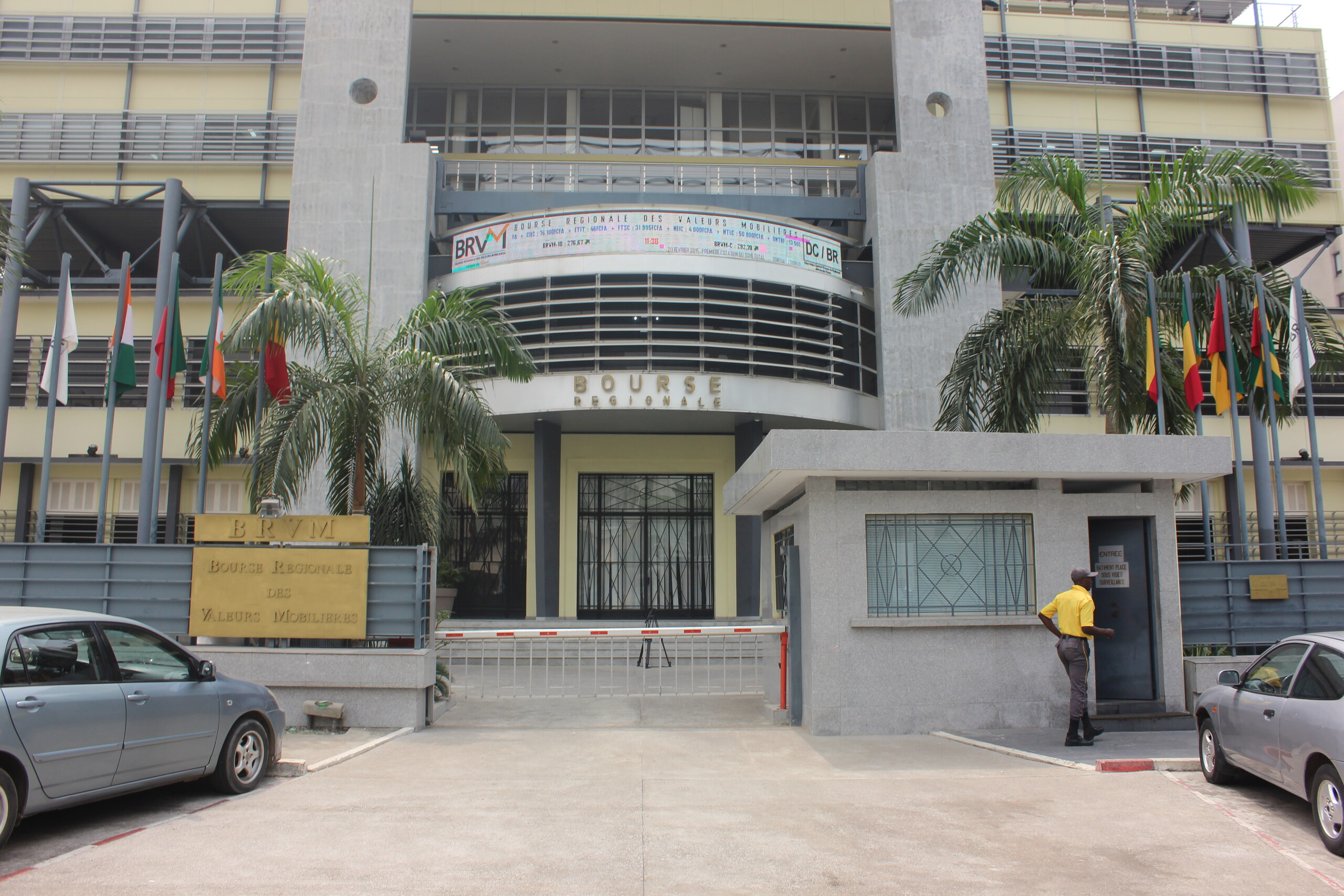
The Economic Community of West African States (ECOWAS) and France are exchanging views on the region’s worsening terrorism threat. The dialogue comes as West Africa recorded more than 1,800 terrorist attacks in the first half of 2023, causing nearly 4,600 deaths.
A common counterterrorism position under strain
ECOWAS adopted a common counterterrorism position stating that terrorism is a threat to all member states. The strategy rests on prevention, pursuit and repair as its core pillars.
The bloc also backed a 2020-2024 action plan with a reported US$2.3 billion budget. That plan was designed to fund regional security operations and stabilisation efforts across member countries.
Yet the regional picture has fractured sharply. The Mali-Burkina Faso-Niger bloc has broken with ECOWAS and now frames the regional body and France as part of a foreign-interests order.
France’s shifting military footprint
France’s role has changed after the end of Operation Barkhane, its large-scale military mission in the Sahel. Paris is moving away from big direct deployments and toward smaller-scale cooperation with coastal states and partners.
This retrenchment has left a security vacuum that jihadist groups have exploited. ECOWAS has sought external financing and support from Western and Arab donors for counterterrorism, showing how security, aid and influence are intertwined.
France still wants a seat at the table. The ECOWAS France terrorism dialogue is part of that effort to remain relevant without the heavy footprint of the past.
Accusations fly at the April 2026 forum
In April 2026, Niger and Mali publicly accused neighbours of harbouring, supporting, fuelling, financing and sustaining terrorist groups. Niger’s foreign minister said he meant France.
Reuters reported that the French foreign ministry did not immediately comment on those accusations. The exchange underscored how deeply trust has eroded between Paris and the breakaway Sahel states.
The accusations remain contested. ECOWAS has not endorsed them, and no evidence of state sponsorship was presented at the forum.
How jihadist groups actually fund themselves
Jihadist groups in the Sahel are widely reported to fund themselves through gold, kidnapping, smuggling, livestock theft and local taxation. This is a crucial point in the ECOWAS France terrorism debate.
No proven state sponsorship has been established, despite the accusations from Niger and Mali. The funding model is local and extractive, not dependent on foreign patrons.
That reality complicates the narrative of external backing. It also means military pressure alone cannot choke off the groups’ revenue streams.
The great-power contest behind the security split
The split in West Africa is not only about security doctrine. It is also about who gets to define the region’s political order.
The Mali-Burkina Faso-Niger bloc has turned toward new partners while ECOWAS keeps seeking Western and Arab donor support. This is a classic great-power contest playing out through security alliances.
For investors and professionals watching the region, the ECOWAS France terrorism rift signals deeper instability. It also opens space for other external actors to expand their influence, a pattern covered in Africa: The New Scramble.
What to watch next
ECOWAS will likely push for renewed donor commitments to its counterterrorism agenda. France will try to deepen ties with coastal states that still see Paris as a security partner.
The breakaway Sahel bloc shows no sign of returning to the ECOWAS fold. That means the region’s security architecture will remain divided for the foreseeable future.
The next test will be whether the accusations from Niger and Mali harden into formal diplomatic breaks. If they do, the ECOWAS France terrorism coordination could become even more difficult to sustain.
Frequently Asked Questions
What is the ECOWAS France terrorism dialogue about?
It is an exchange of views on West Africa’s worsening terrorism threat, with ECOWAS keeping a zero-tolerance counterterrorism policy and France trying to stay relevant after its military retrenchment from the Sahel.
How many terrorist attacks did West Africa record in early 2023?
ECOWAS leaders said West Africa recorded more than 1,800 terrorist attacks in the first half of 2023, causing nearly 4,600 deaths.
Why did Niger and Mali accuse France in April 2026?
Niger and Mali publicly accused neighbours of harbouring, supporting, fuelling, financing and sustaining terrorist groups, and Niger’s foreign minister said he meant France.
Connected Coverage
Sources
This article was produced by The Rio Times’ automated newsroom system. How we use AI · Report an error
Read More from The Rio Times