Economic Revival: How Brazil’s Northeast Aims to Outpace National Growth
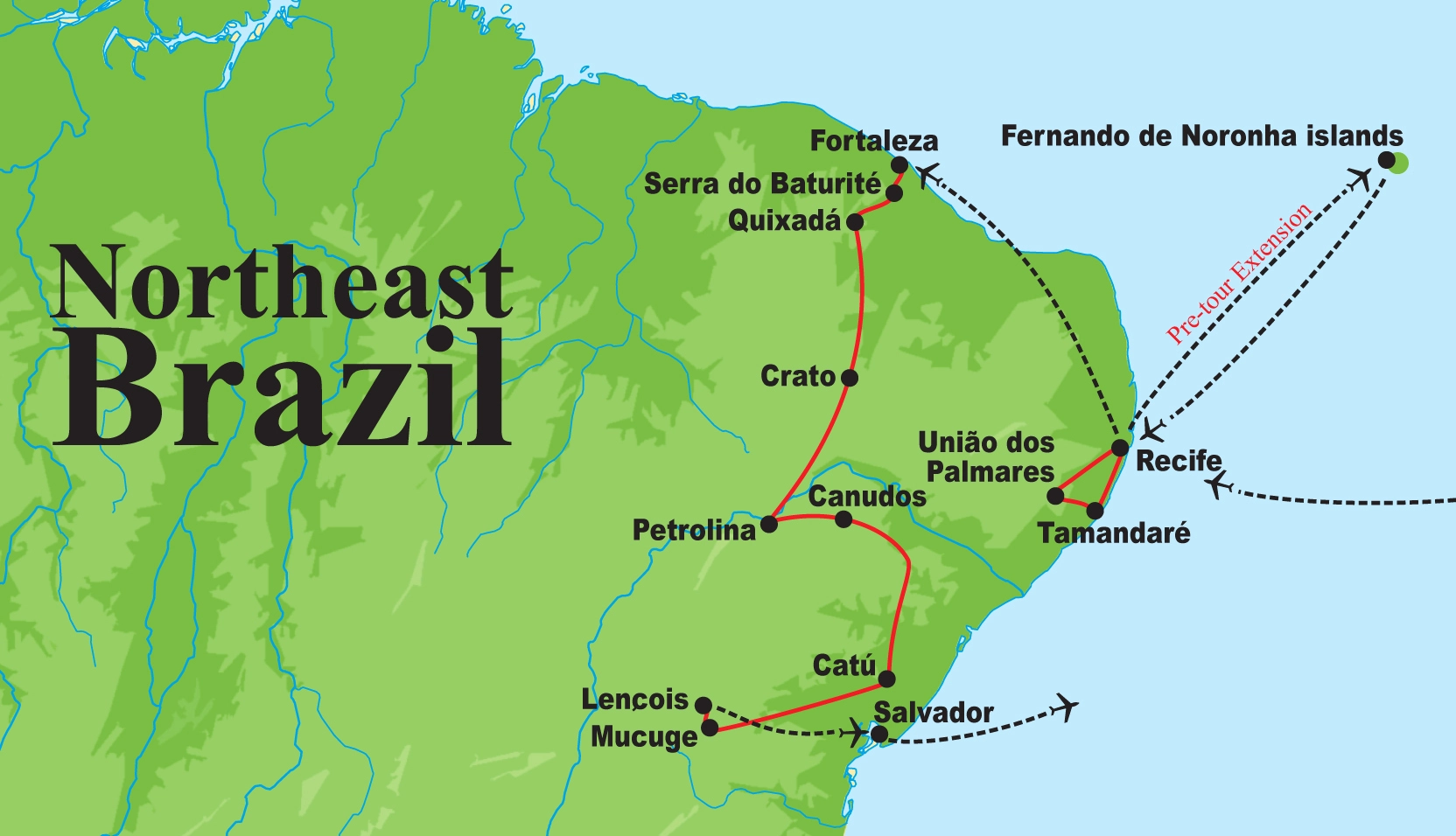
In Brazil, the Northeast is poised to reclaim its historic economic role. From 2026 to 2034, the region is set to grow by 3.4% annually.
This exceeds the national forecast of 2.5%, driven by R$750 billion ($150 billion) in investments focused on energy and infrastructure.
Historically, the Northeast has seen economic highs, notably during the early 2000s with the global commodities surge.
Challenges in 2015 and 2016, however, slowed its momentum as growth rates fell behind the national average.
By 2020, amidst the pandemic, the regional economy contracted by 4.1%. Now, a renewed focus on industrial development signals an imminent recovery.
This area, home to nearly 60 million, has higher poverty rates and underdeveloped infrastructure compared to Brazil’s more prosperous regions.
These factors have historically resulted in lower Human Development Index scores.
President Luiz Inácio Lula da Silva’s reintroduced Growth Acceleration Program (PAC) is injecting R$700 billion ($140 billion) to stimulate growth through public-private partnerships.
Significant funds are flowing into renewable energy, with R$21 billion ($4.1 billion) already boosting wind projects, and R$130 billion ($25 billion) planned for future developments.
The operational Santo Agostinho Wind Complex in Rio Grande do Norte, costing R$2.3 billion ($450 million), exemplifies these initiatives.
It features 70 turbines and marks a crucial step in sustainable regional development.
Economic Revival: How Brazil’s Northeast Aims to Outpace National Growth
This strategic shift is vital for its economic benefits and for fostering a sustainable future for one of Brazil’s most dynamic regions.
In addition, the transformation is significantly fueled by Chinese investments, which positions the Northeast as a burgeoning hub for international cooperation.
Since 2005, Brazil has ranked fourth globally in attracting Chinese funds, with $76 billion invested in 95 projects.
The Northeast is catching up, drawing 16% of these investments. Bahia alone has secured 5.6%, ranking fifth among Brazilian states in attracting Chinese interest.
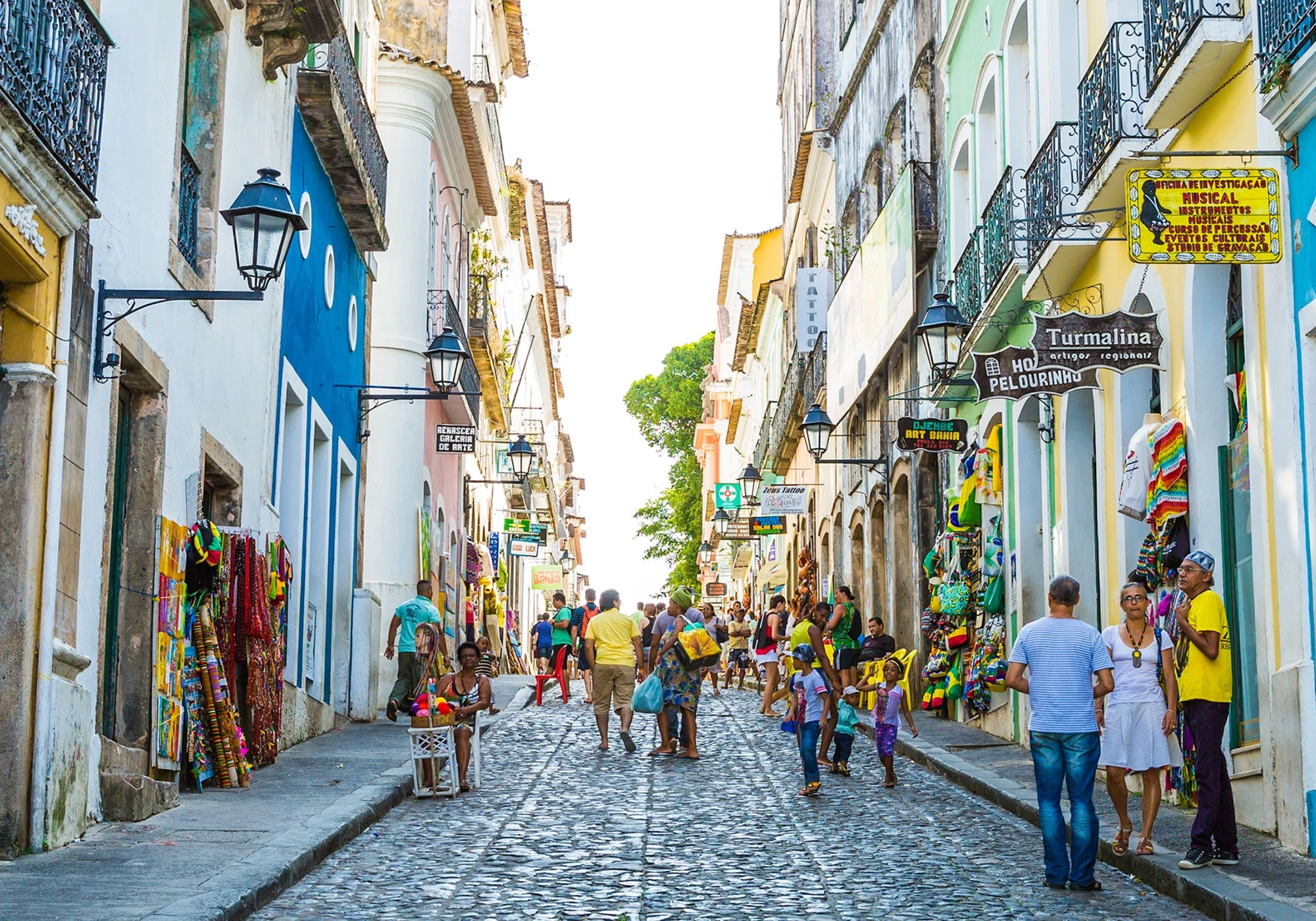
China’s consulate in Recife since 2016 highlights the growing ties, with major projects like the Salvador-Itaparica bridge and BYD’s first Latin American factory in Bahia.
More: Brazil news in English, every day from The Rio Times.
Live Market IntelligenceBrazil — Live Market Board
Rio Times · Live Market Intelligence
Brazil — Live Market Board
+0.46%
183,827.59
+0.46%
65,071.30
+0.20%
11,055.91
-0.73%
2,782,561
-0.59%
2,558.92
-0.79%
60,220.45
+0.32%
| Instrument | Last | Change | YoY | Prev. | High | Low | Volume |
|---|---|---|---|---|---|---|---|
| IBOV | 183,827.59 | +0.46% | +21.85% | 182,991.13 | 168,310 | 167,142 | — |
| USD/BRL | 5.16 | +0.01% | -5.13% | 5.16 | 5.18 | 5.14 | — |
| SELIC | 14.00% | — | — | — | — | — | |
| PETR4 | 41.64 | -0.05% | +35.19% | 41.66 | 41.97 | 41.15 | 41,499,400 |
| VALE3 | 72.97 | +0.83% | +30.75% | 72.37 | 73.54 | 72.66 | 17,658,000 |
| ITUB4 | 38.60 | -1.03% | +4.57% | 39.00 | 39.34 | 38.39 | 29,487,800 |
| BBDC4 | 16.85 | +0.36% | +3.50% | 16.79 | 16.90 | 16.67 | 19,416,900 |
| BBAS3 | 19.37 | +0.47% | +0.73% | 19.28 | 19.44 | 19.16 | 11,069,200 |
| B3SA3 | 14.26 | -0.21% | +12.73% | 14.29 | 14.47 | 14.11 | 33,037,800 |
| ABEV3 | 14.89 | -0.80% | +21.91% | 15.01 | 15.07 | 14.81 | 16,453,100 |
| WEGE3 | 47.59 | +0.49% | +29.99% | 47.36 | 48.08 | 47.36 | 3,364,600 |
| PRIO3 | 59.14 | -0.19% | +50.67% | 59.25 | 59.81 | 58.74 | 3,325,600 |
| SUZB3 | 41.33 | +2.35% | -23.55% | 40.38 | 41.48 | 40.35 | 3,914,900 |
| RENT3 | 34.68 | -0.09% | +0.84% | 34.71 | 34.96 | 34.35 | 7,979,100 |
| AZZA3 | 15.89 | -2.63% | -53.76% | 16.32 | 16.42 | 15.82 | 1,330,300 |
| CSNA3 | 4.30 | +0.47% | -42.65% | 4.28 | 4.41 | 4.26 | 10,076,100 |
| GGBR4 | 24.69 | +2.19% | +51.38% | 24.16 | 24.85 | 24.18 | 7,047,600 |
| ENEV3 | 24.21 | -1.38% | +70.49% | 24.55 | 24.64 | 23.99 | 9,297,000 |
This article was produced by The Rio Times’ automated newsroom system. How we use AI · Report an error
Read More from The Rio Times