Brazil’s Response to Alleged Misinformation on Floods Raises Free Speech Concerns
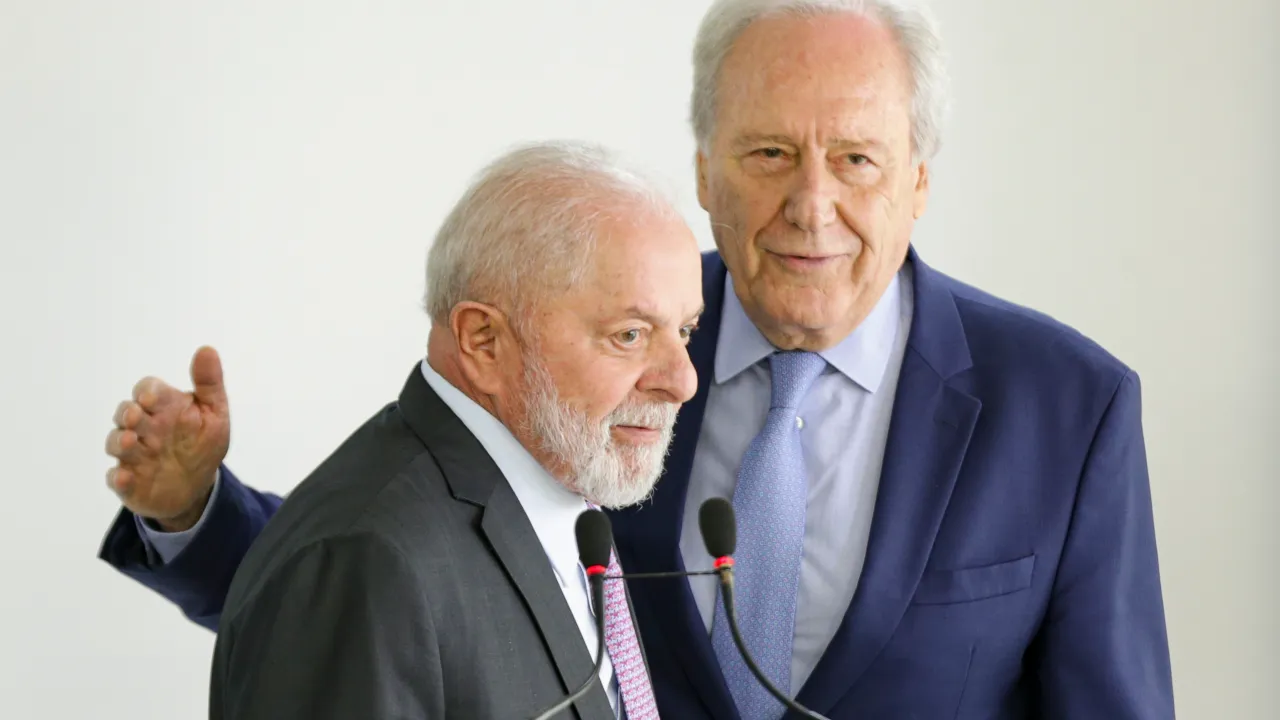
(Analysis) Following President Lula’s directive, Justice Minister Ricardo Lewandowski investigates accusations of misinformation about Rio Grande do Sul flood relief.
This effort aims to counter disinformation and harmful narratives online, yet it raises free speech concerns.
The government authorized the Federal Police to pursue 11 cases deemed as spreading unlawful information.
High-profile figures like Eduardo Bolsonaro, an opposition congressman, face scrutiny for publicly criticizing the government’s flood response.
This action has sparked debates about balancing regulation and political expression.
Banning government criticism is accepted in Venezuela, Nicaragua, and Iran, but is it appropriate for Brazil?
Authorities are investigating an individual claiming the floods were a planned disaster for social control, raising fears of overreach.
Conspiracy theories can deepen distrust and challenge the boundaries of public discourse.
However, questioning their validity and discussing whether they should be prohibited raises complex issues.
Throughout history, there have been instances where governments have orchestrated events to gain greater control.
A social media profile with military leanings has also posted claims about military vehicles turning into submarines during the floods.
Despite their implausibility, these allegations test the line between misinformation and hyperbolic speech.
The government’s response seeks to prevent rumors undermining relief efforts, aiming to stabilize discourse amid crisis.
Brazil’s Response to Alleged Misinformation on Floods Raises Free Speech Concerns
However, its approach raises concerns about distinguishing between oversight and potential suppression of dissenting voices.
While combating misinformation can prevent chaos, it risks curbing democratic principles and silencing dissent.
The government’s strategy must carefully navigate oversight to safeguard free expression.
As the administration enforces these measures, it must balance misinformation control with upholding fundamental freedoms.
This situation underscores the complex relationship between government duties and individual freedoms within Brazil’s polarized political environment.
It also brings to light wider discussions on regulating speech in a time when social media significantly influences public narratives.
More: Brazil news in English, every day from The Rio Times.
This article was drafted with automated assistance and reviewed before publication. How we use AI · Report an error
Read More from The Rio Times