Ecobank Shrinks Its Board and Drops the Term Limit for Directors
A pan-African bank has made it easier for its directors to stay on. Whether that is stability or entrenchment depends on who you ask.
Key Facts
- —What happened Ecobank shareholders cut the board cap from 15 to 12 directors and scrapped the nine-year term limit.
- —How big a jump That nine-year cap dates from a 2014 governance crisis that drew scrutiny from Nigeria’s Securities and Exchange Commission.
- —The real story The board now favors continuity and capital-markets credibility over the emergency discipline introduced after that crisis.
- —The catch Retirement at 70 and the chairman’s six-year cap remain, so limits are eased but not gone.
- —Who it touches Long-term investors like ECOWAS Bank and Nedbank can keep board seats past nine years.
- —What comes next The board can raise up to US$600 million in debt to test investor appetite under the new framework.
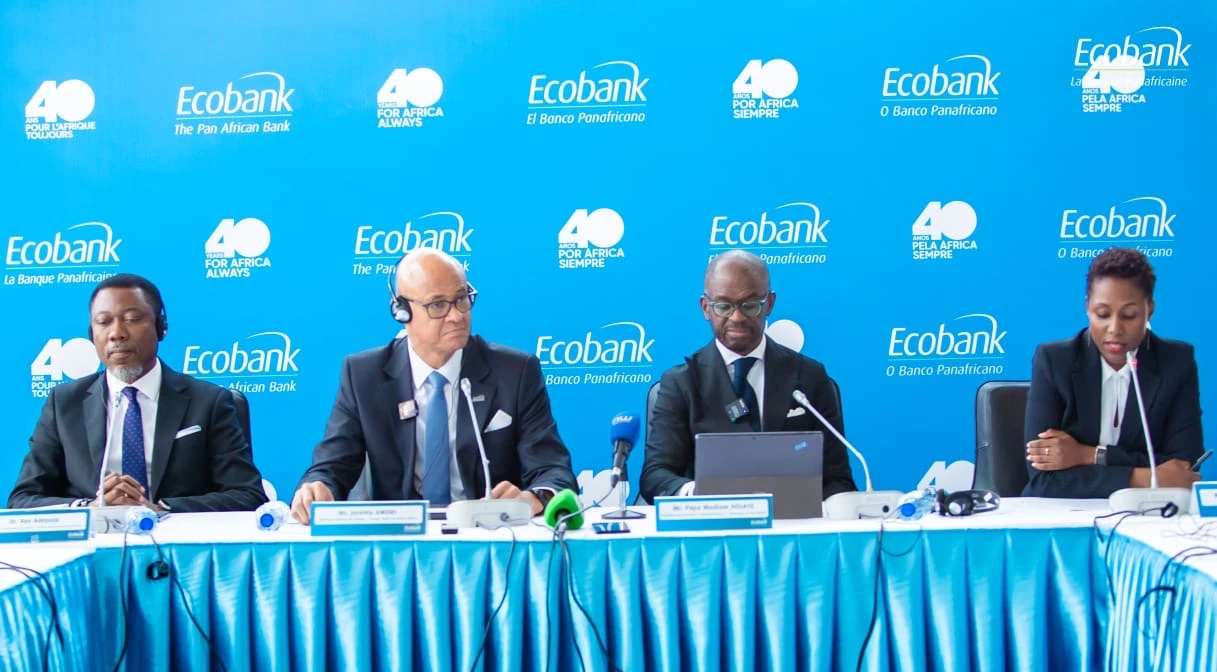
Ecobank Transnational Incorporated, the Lomé-headquartered pan-African banking group, has cut its board to a maximum of 12 directors and removed the formal tenure cap for non-executive directors. Shareholders approved the governance overhaul at an extraordinary general meeting on 13 August 2026.
What the Ecobank ETI board changes mean
The extraordinary general meeting, held by videoconference from Lomé, approved amendments to ETI’s Articles of Association. The board cap falls from 15 members to 12, a shift ETI says will make the body more agile and focused.
The meeting also removed the nine-year aggregate tenure limit for non-executive directors introduced after a 2014 governance crisis. Directors must still stand for election or re-election by shareholders, and a mandatory retirement age of 70 remains in place.
ETI justified the tenure change by citing the need to preserve institutional expertise in a complex regulatory environment. The group stressed that shareholders retain full authority over board composition through periodic votes.
From crisis rules to continuity capital
The 2014 governance crisis drew scrutiny from Nigeria’s Securities and Exchange Commission and prompted a major action plan. That plan introduced the nine-year director tenure cap, the 15-member board limit, and restrictions on selling assets worth 20 percent or more of net book value without shareholder approval.
The 2026 changes mark a departure from that emergency discipline. ETI now prioritises continuity and capital-markets credibility over rigid term limits, reflecting a different phase in the group’s development.
The board chairman’s cumulative tenure remains capped at six years, a guardrail against over-concentration of power in one individual. This distinction between chairman and non-executive director tenure is central to the new governance model.
Who gains from the Ecobank ETI board overhaul
With 12 seats instead of 15, each board position carries more influence. Larger, long-term shareholders such as the ECOWAS Bank for Investment and Development and South Africa’s Nedbank Group can maintain their representatives beyond nine years if shareholders agree.
Nedbank nominated Dr Terence Gugulethu Sibiya to the board at the 38th annual general meeting on 3 June 2026. Louis Adandé and Papa Madiaw Ndiaye were also appointed as new directors for three-year terms.
The shift from rule-based tenure limits to shareholder-driven renewal elevates the importance of bloc alliances. Institutional memory and long-standing relationships with regulators become strategic assets in volatile markets.
Funding push and global capital markets
The governance restructuring coincides with a clear funding agenda. Shareholders authorised the board to raise up to US$600 million through senior debt, subordinated debt eligible as Tier 2 capital, or a combination of these instruments.
An extraordinary general meeting scheduled for 7 May 2026 was dedicated to authorising a Eurobond issue. The US$40 million dividend approved in June 2026 for the 2025 financial year was the first distribution since 2022.
A streamlined, experienced board is likely intended to support complex cross-border funding operations. For international investors, governance predictability is a key condition for buying African bank paper in a risk-sensitive environment.
Pan-African banking in a multipolar era
ETI’s board composition blends regional and multilateral representation, including directors linked to the ECOWAS Bank for Investment and Development and other institutional investors. South African capital enters through Nedbank’s nominated director.
The group’s investor ecosystem historically includes Western development finance institutions such as the International Finance Corporation and African state investors like South Africa’s Public Investment Corporation. This positions ETI at the intersection of regional finance and global capital flows.
As US, European, Chinese and Gulf capital compete for influence in African financial systems, ETI’s governance architecture determines how easily global investors can secure board representation. The move away from a formal tenure cap makes it easier for long-term strategic investors to maintain influence over longer cycles, a theme explored in Africa: The New Scramble.
What to watch next
The Eurobond issuance and Tier 2 capital raise will test investor appetite for ETI paper under the new governance framework. The board’s ability to navigate cross-border regulatory demands will be closely watched by rating agencies and creditors.
Shareholder meetings will reveal whether the removal of the tenure cap leads to longer-serving directors or more contested elections. The six-year chairman cap and age-70 retirement rule remain structural checks on personal entrenchment.
ETI’s next annual general meeting will approve the 2026 accounts and provide a clearer picture of how the smaller board functions in practice. The group’s ability to balance continuity with accountability will shape its standing as a systemic African financial institution.
Connected Coverage
For more on how African financial institutions navigate global capital competition, read Africa: The New Scramble.
Sources
Frequently Asked Questions
How many directors will Ecobank ETI have after the August 2026 changes?
The board is capped at a maximum of 12 directors, down from the previous limit of 15.
Did Ecobank ETI remove all limits on director tenure?
No, the nine-year cap for non-executive directors was removed, but a mandatory retirement age of 70 and shareholder re-election requirements remain in place.
How much capital can Ecobank ETI raise after the 2026 shareholder approvals?
Shareholders authorised the board to raise up to US$600 million through senior debt, Tier 2 capital instruments, or a combination of both.
This article was produced by The Rio Times’ automated AI newsroom. Editorial responsibility: Matthias Camenzind, Publisher and Editor-in-Chief. The Rio Times also runs Ask Rio Times, which answers from 100,000+ of our own articles, the daily Latin America Power Map, and prediction-market odds on elections and markets.. How we use AI · Report an error
LatAm Markets: Live Signals → — real-time movers, turnover leaders and FX across Latin America.