Diplomatic Moves: Brazil Hosts Xi Jinping and Engages with Biden
Brazil is preparing for significant diplomatic engagements as it hosts the Group of 20 (G20) summit in Rio de Janeiro next month.
President Luiz Inácio Lula da Silva will welcome Chinese President Xi Jinping for an official state visit immediately following the summit.
This visit highlights the growing ties between Brazil and China, especially in light of China’s Belt and Road Initiative, which aims to boost infrastructure investment globally.
Xi’s visit to Brazil marks a continuation of strengthening relations between the two countries. It underscores China‘s interest in expanding its influence in Latin America, a region of strategic importance amid global geopolitical shifts.
The visit also provides an opportunity for Brazil to enhance economic cooperation with China, potentially increasing investment and trade.
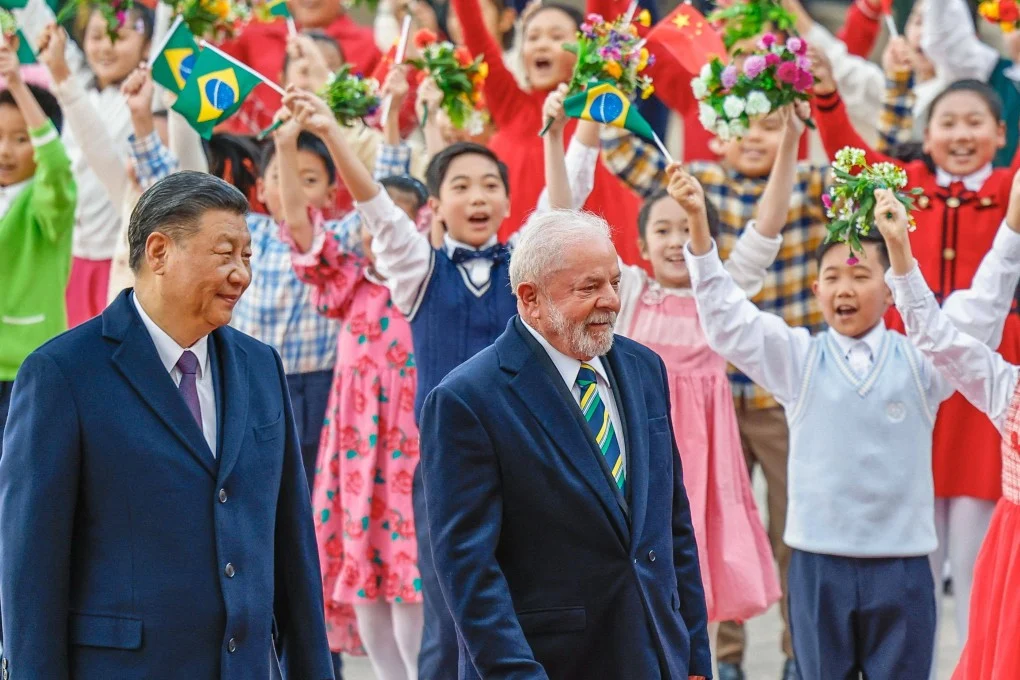
Meanwhile, U.S. President Joe Biden will attend the G20 summit but will not make an official stop in Brasília. Instead, he plans to meet Lula in the Amazon region, either in Manaus or Belém.
U.S.-Brazil Relations
This meeting aims to address environmental concerns and strengthen U.S.-Brazil relations through initiatives like the Partnership for Workers’ Rights. This initiative focuses on combating forced labor and promoting fair labor standards.
Biden’s agenda also includes discussions on international financial reforms to alleviate debt burdens on developing countries. These discussions follow previous G20 summits where major lenders, including China, were urged to provide debt relief.
The G20 summit, hosted by Brazil for the first time, will take place at the Museum of Modern Art on November 18-19, 2024.
The theme is “Building a Just World and a Sustainable Planet,” reflecting Brazil’s focus on social inclusion and sustainable development. Key topics include climate change, sustainable development, and reforming global governance institutions.
These high-profile visits and the G20 summit highlight Brazil’s strategic role in global diplomacy. They reflect broader geopolitical shifts as major powers engage with emerging economies in Latin America.
These interactions are crucial for addressing global challenges such as climate change, economic inequality, and financial stability.
More: Brazil news in English, every day from The Rio Times.
This article was produced by The Rio Times’ automated newsroom system. How we use AI · Report an error
Read More from The Rio Times