
NAMIBIA · ENERGY
Key Facts
- The company Dangote Industries, led by Nigerian billionaire Aliko Dangote, runs Africa’s biggest refinery.
- What happened Dangote began building a fuel hub near Walvis Bay, Namibia’s main port, on Wednesday 4 November 2026.
- The price tag The project, including a regional pipeline, is put at about US$2.5 billion.
- The size The tanks would hold about 600 million litres, eight times Namibia’s state fuel store.
- The clock Dangote says the work will take 18 to 20 months.
Nigerian billionaire Aliko Dangote began building a fuel storage hub at Walvis Bay, Namibia’s main port, on Wednesday 4 November 2026. The project is put at about US$2.5 billion and includes a planned pipeline of about 1,700 kilometres (1,050 miles) to bring fuel to landlocked countries.
For US readers, the move shows how Africa’s biggest refinery now wants to control fuel supply far beyond Nigeria. It also puts a new fuel route on the south-west coast of Africa, where shipping and oil are of growing interest to investors.
What Happened at Walvis Bay
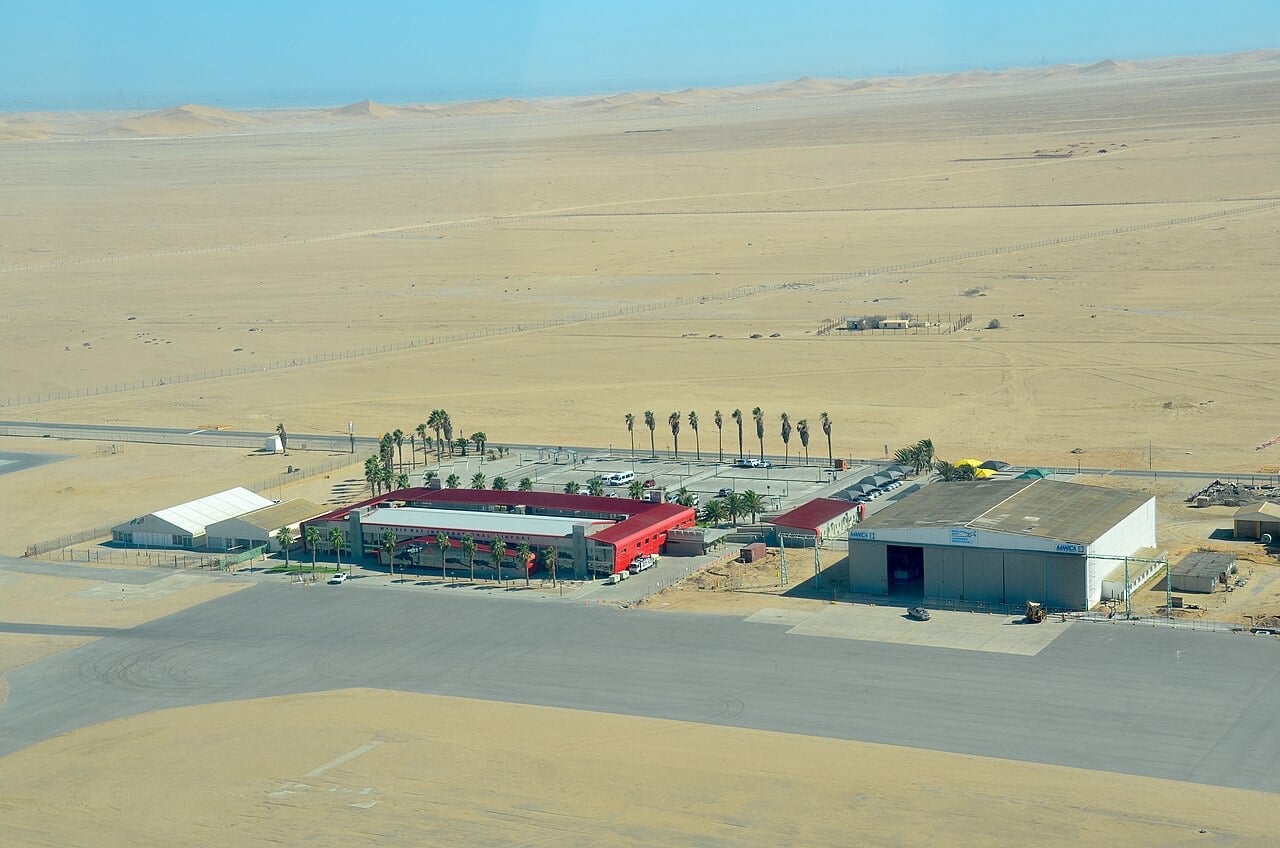
Dangote Industries, the group led by Aliko Dangote, launched the project at a ceremony outside Walvis Bay on Wednesday, with Namibian President Netumbo Nandi-Ndaitwah present. The site lies in Erongo, the desert coastal region around the port.
The tanks will hold diesel and petrol for sale across southern Africa. Dangote said he wants to invest heavily in the region.
Separately, Dangote raised his target for investment in African industry from US$50 billion to US$60 billion by 2030. The new target is 20% above the old one.
What Will Be Built
The tank farm would hold about 600 million litres of fuel, of which 360 million litres would be diesel and the rest petrol. That is about eight times the 75 million litres held by the National Oil Storage Facility, run by Namcor, Namibia’s state oil company.
A pipeline of about 1,700 kilometres is planned to carry fuel inland towards Botswana and South Africa, and possibly to other countries. The company has also described a wider network with links to Zimbabwe, Zambia and the Democratic Republic of Congo, but the route and the building schedule for the pipeline have not been fixed.
Dangote told reporters that the project should be finished in 18 to 20 months. Another account says it will take 18 months at most.
Why Landlocked Countries Matter
Botswana, Zambia and Zimbabwe have no coast, so their fuel arrives by road or rail over long distances. Dangote said he wants to invest heavily so that most landlocked countries can buy petroleum products at a cheaper price.
A large store at Walvis Bay would let tankers unload in bulk and let trucks or a pipeline carry the fuel inland. The same logic lies behind Dangote’s refinery in Nigeria, which is reported to process about 650,000 to 700,000 barrels of crude a day.
What It Means for You
Investors in US-listed funds with African exposure should see this as a sign of how fast Dangote’s group is expanding, not as a finished business. Our report on the Dangote refinery share offer explains how the parent refinery is being financed.
Energy and shipping firms should watch whether the pipeline gets a final route. That route decides which countries gain cheaper fuel.
What Is Not Known
It is not known when the pipeline will be built or who will pay for it beyond the Dangote group. Reports differ on the pipeline length and on the countries it will reach, and on the storage volume in barrels.
It is not known how much cheaper fuel will become at the pump. Namcor’s future role and the effect on its own storage business are also unclear.
More: Namibia news in English, every day from The Rio Times. See also our guide to Namibia geopolitics and the Angola refinery stake offered to Namibia.
Frequently Asked Questions
What Did Dangote Launch in Namibia?
Dangote Industries began building a fuel storage hub at Walvis Bay on Wednesday 4 November 2026. The project, with a planned pipeline, is put at about US$2.5 billion.
How Big Is the Fuel Hub?
The tanks would hold about 600 million litres, including 360 million litres of diesel. That is eight times the capacity of Namibia’s 75 million-litre state fuel store.
When Will the Hub Be Ready?
Dangote told reporters the project should take 18 to 20 months. The pipeline has no fixed schedule yet.
Which Countries Could Get Fuel by Pipeline?
A pipeline of about 1,700 kilometres is planned towards Botswana and South Africa, and possibly further. The final route has not been published.
Sources: Dangote Industries, statements by Aliko Dangote at the Walvis Bay launch, 4 November 2026; Namibian presidency, ceremony at Walvis Bay, 4 November 2026.
This article was produced by The Rio Times’ automated newsroom system. How we use AI · Report an error · Editorial responsibility: Matthias Camenzind, Editor-in-Chief