
GUIDES · COSTA RICA
Key Facts
- —The country A democracy of 5.15 million people in 2025 with no permanent army since its 1949 constitution, and an OECD member since May 2021.
- —Main partner The United States bought US$10.67 billion of its goods in 2025 and supplied 50.7% of net foreign direct investment.
- —Second partner China ranks second, with US$5.07 billion of two-way trade in 2025 under a free-trade agreement in force since 1 August 2011.
- —Newest pressure A 12.5% US tariff has applied since 24 July 2026, and the country signed the US-led Shield of the Americas statement on 22 September 2026.
- —Who steers President Laura Fernández, in office since 8 May 2026, sets the line, and Ana Elena Pinto Lizano has been foreign minister since 15 October 2026.
- —The UN bid Rebeca Grynspan led the sixth Security Council poll for UN Secretary-General on 16 October 2026 with nine encourage votes and five discourage votes.
- —Power Index Costa Rica ranks 9th of 14 in The Rio Times Latin America Power Index, with 36.5 points (October 2026 edition).
How Costa Rica deals with Washington, Beijing, Brussels, the Gulf and its neighbours, with every figure dated. A guide for US readers weighing trade, investment and travel.
Costa Rica geopolitics is the story of a small democracy with no army that trades with everyone and leans on the United States. As of October 2026, that balance is tested by a new US tariff, a US-led security coalition and a race for the top UN job.
This guide covers each outside power in turn: the United States, China, Russia, the European Union, the Gulf states, Turkey, India and BRICS. Every figure carries its year, and what is unknown is listed at the end.
A Small State Without an Army
Costa Rica had 5.15 million people and an economy of about US$102.9 billion in 2025, according to World Bank data. Trade in goods and services equalled 71.5 percent of output that year, so the country lives by what it sells abroad.
Article 12 of the constitution bans the army as a permanent institution and leaves public order to the police. Military forces may exist only under a continental agreement or for national defence, and always under civilian power.
That choice shapes foreign policy, which relies on law, treaties and partners rather than force. Costa Rica joined the OECD in May 2021 as its 38th member, a sign of the club it wants to belong to.
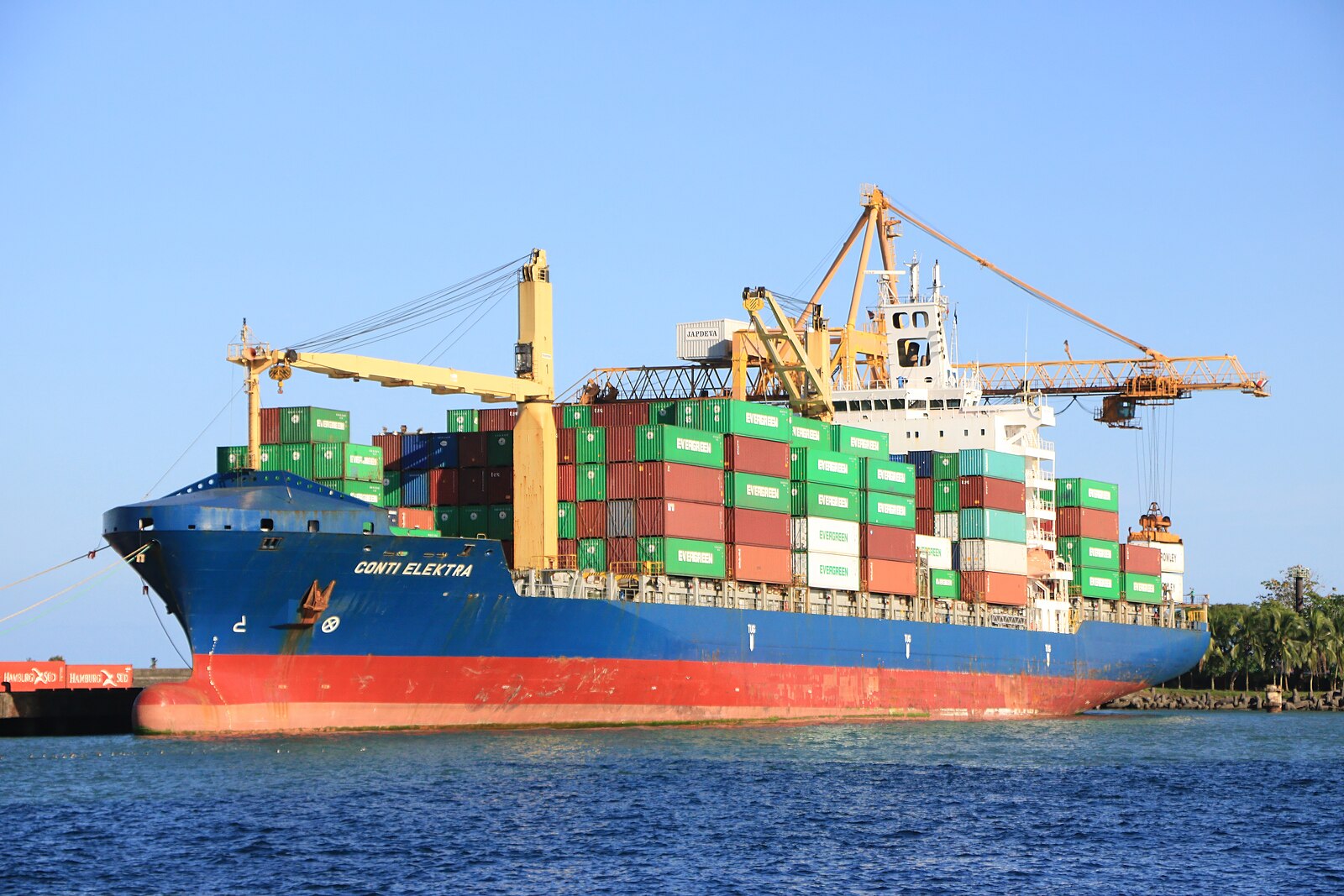
Procomer, the export promotion agency, put 2025 goods exports at US$22.855 billion, up 14 percent. Exports of medical devices grew 25 percent that year.
The United States, Anchor Partner and Tariff Target
The United States is Costa Rica’s largest partner by a wide margin. Figures published in April 2026 show Costa Rica sold US$10.67 billion of goods to the US in 2025 and bought US$9.20 billion.
That is a surplus for Costa Rica for the second year running, under the CAFTA-DR free-trade pact in force since 2009. The pact joins Costa Rica to the United States, the Dominican Republic and four other Central American states.
Investment tells the same story. Central bank data show US$5.12 billion of net foreign direct investment in 2025, with 50.7 percent of it from the United States.
On 24 July 2026 the United States began applying a 12.5 percent Section 301 tariff to most Costa Rican goods. The US Trade Representative’s office found that Costa Rica lacks an effective ban on imports made with forced labour.
Costa Rica landed in the 12.5 percent group, not the 10 percent tier for economies with a forced-labour import ban or a trade-deal pledge. The Federal Register notice of 28 July 2026 applies the duty to goods entered from 12:01 a.m. eastern time on 24 July 2026.
The notice exempts textiles and apparel of Costa Rica that enter duty-free under CAFTA-DR. Its annexes list further product exemptions, which exporters should check by tariff code.
The Shield of the Americas Row
The Shield of the Americas is a US-led coalition against cartels and armed groups. On 22 September 2026, 15 governments signed its Joint Statement on Defending Hemispheric Sovereignty, Costa Rica among them.
The other signatories were the United States, Argentina, Bolivia, Chile, Colombia, the Dominican Republic, Ecuador, El Salvador, Guyana, Honduras, Panama, Paraguay, Peru, and Trinidad and Tobago. They declared an intention to impose asset freezes and visa restrictions and to create criminal liability for material support.
The first action targets 24 named groups, including MS-13, Mexico’s Sinaloa and CJNG cartels, Venezuela’s Tren de Aragua, Colombia’s ELN guerrillas and Peru’s Shining Path. The text mentions no outside power, China included.
The signing caused a row in San José. President Laura Fernández dismissed Foreign Minister Manuel Tovar on 24 September 2026 for attending the session without telling her.
The presidency called the omission a strategic harm and described the coalition as fundamental against drug trafficking and organised crime. Career diplomat Ana Elena Pinto Lizano, a former ambassador to France and Monaco, took over as foreign minister from 15 October 2026.
The episode shows who sets the line: the president, not the foreign ministry. It also shows that Costa Rica wants a seat in any US-led security format.
China, the Second Partner
Costa Rica established relations with Beijing in June 2007, ending its recognition of Taiwan. A free-trade agreement signed in April 2010 took effect on 1 August 2011.
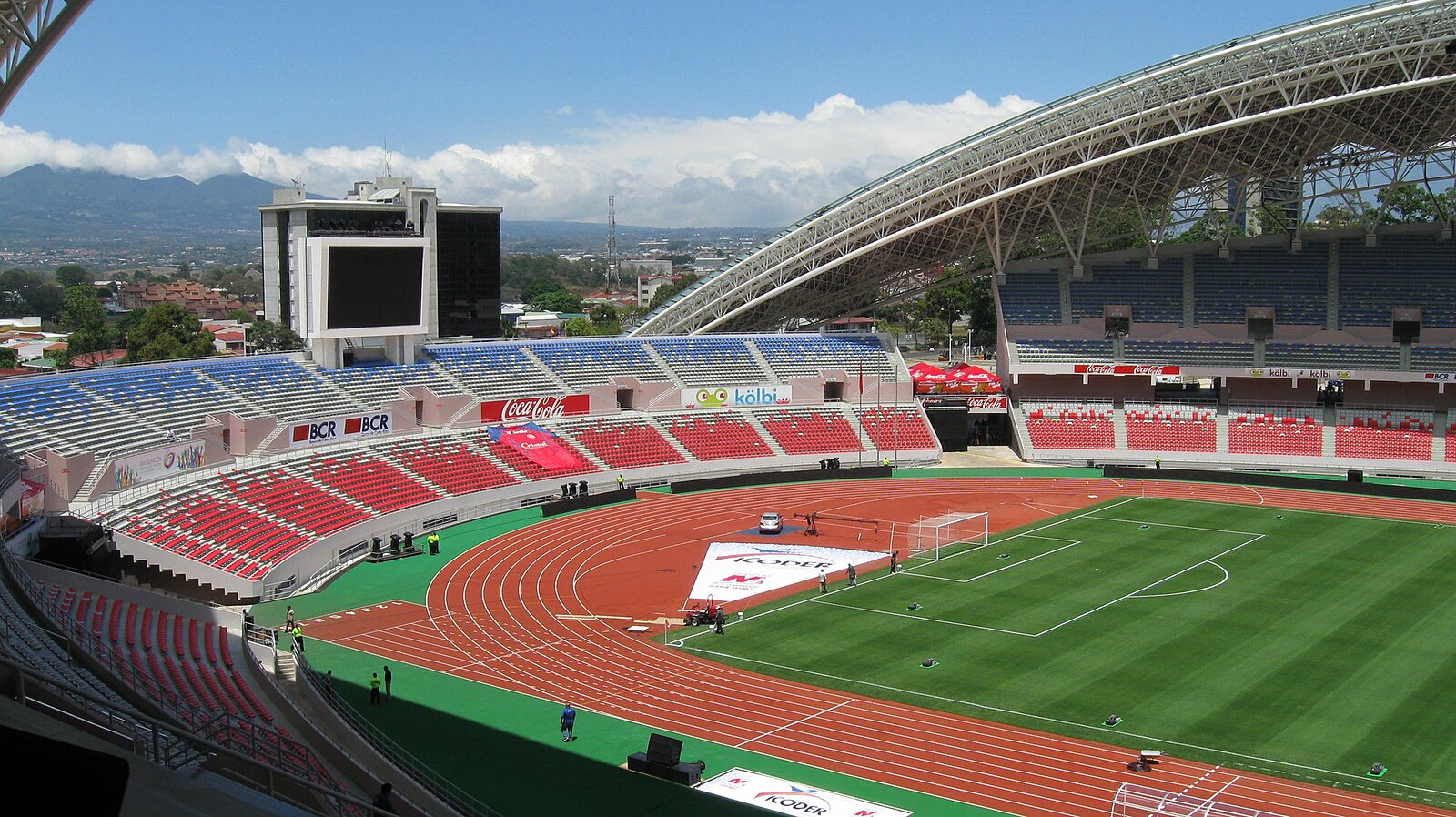
China is Costa Rica’s second-largest trading partner after the United States, COMEX says. Two-way trade grew from US$2.13 billion in 2016 to US$5.07 billion in 2025.
The balance runs against Costa Rica, with a deficit of US$4.18 billion at the end of 2025. Chinese investment is tiny: the central bank counted US$5 million of inflows from China in 2025, against US$5.12 billion in total.
Then trade minister Manuel Tovar said in April 2026 that he was dissatisfied with a relationship that had fallen short of China’s size. He counted 290 jobs at Chinese multinationals, against about 280,000 linked to US investment.
Distance and rules explain part of the gap. Sea freight takes about a month, sanitary protocols are complex, and Tovar noted that Costa Rica has no battery minerals to offer.
China has opened its market to Costa Rican frozen pineapple, beef and pork, and protocols for chicken meat and farmed white shrimp are under negotiation. COMEX lists these as the position in October 2026.
Technology is the sharpest point of friction. In August 2023 a decree by then-president Rodrigo Chaves barred 5G suppliers from countries outside an international cybercrime convention, which excluded Huawei.
A Costa Rican court provisionally suspended the Huawei exclusion in February 2024, after a complaint by a union at the state power company ICE. The present legal status could not be confirmed.
Russia, India, Turkey and BRICS
COMEX lists no trade deal with Russia, India, Turkey or any BRICS body, in force or under negotiation, as of October 2026. BRICS is the grouping that began with Brazil, Russia, India and China and later added South Africa and others.
India and Japan matter in small ways, Tovar said in April 2026: Japanese firms provide about 6,000 jobs and Indian firms about 2,500. Neither country has a free-trade deal with Costa Rica.
Russia, Turkey and BRICS therefore have little to report in Costa Rica’s official trade record. Any ties are small commerce and diplomacy, not treaties or loans visible in the sources reviewed.
Europe, the Gulf and Israel
Trade with the European Union runs under an Association Agreement signed on 29 June 2012. Its trade pillar applied to Costa Rica from 1 October 2013, and the agreement has applied in full since 1 May 2024.
COMEX also lists free-trade agreements in force with the United Kingdom, Canada, South Korea, Singapore and EFTA, the group of Norway, Iceland, Liechtenstein and Switzerland. Entry to the CPTPP would add Japan, Australia and New Zealand.
Gulf links are new and small. A comprehensive economic partnership agreement with the United Arab Emirates took effect on 1 April 2025, after approval by law in December 2024.
Average yearly trade with the Emirates was only about US$16 million over the past decade, COMEX says, though it grew 13.9 percent a year. COMEX also lists an investment agreement with Qatar.
Israel is next in the queue. A memorandum of 29 March 2023 started free-trade talks, which the two sides agreed on 18 October 2024 to continue.
Nicaragua and Cuba
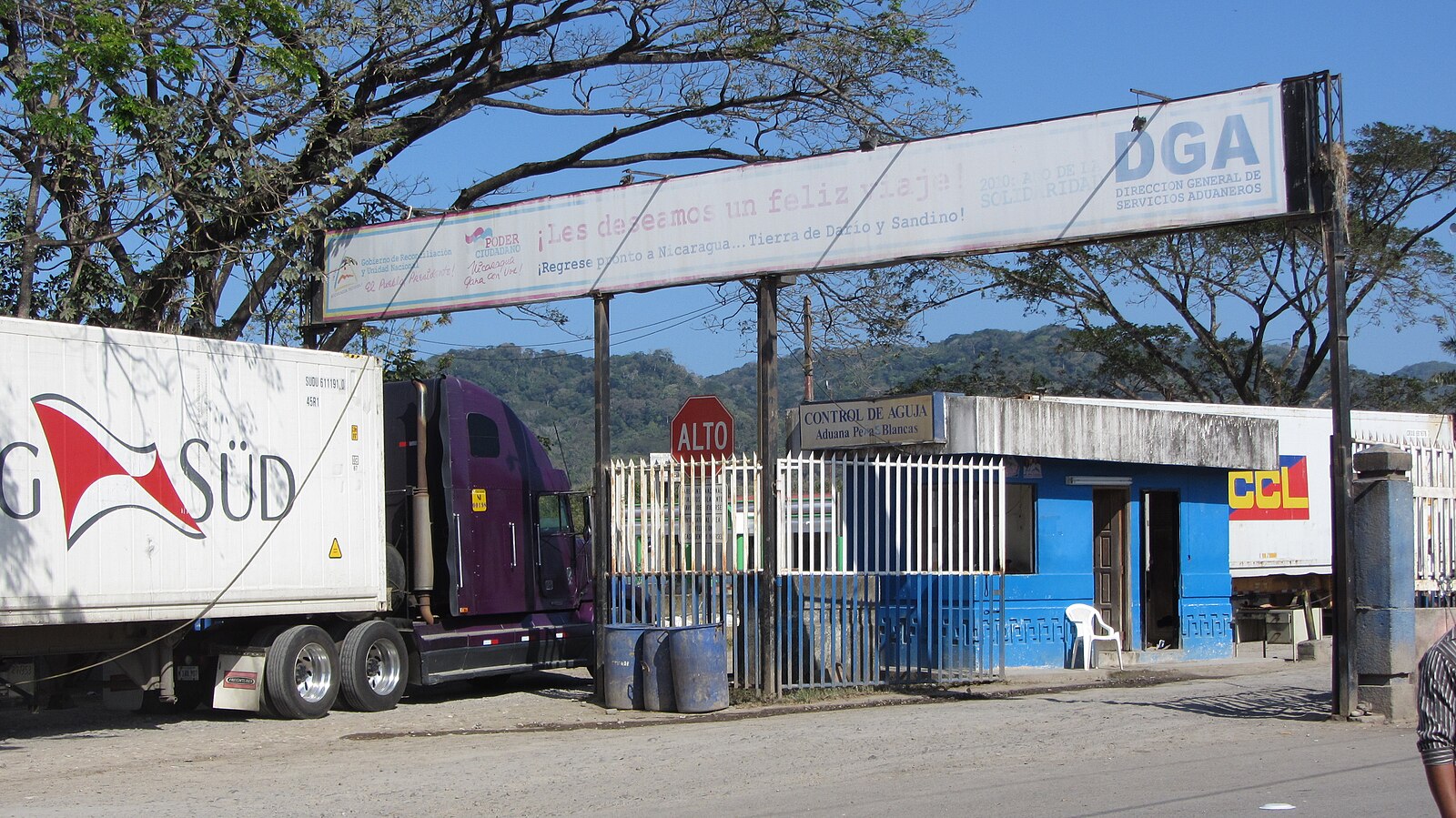
Nicaragua, Costa Rica’s northern neighbour, is its sharpest border dispute. The International Court of Justice ruled on 16 December 2015 that Costa Rica holds sovereignty over the disputed northern part of Isla Portillos.
The court found that Nicaraguan excavation and a military presence there breached Costa Rica’s sovereignty. On 2 February 2018 it set compensation at US$378,890.59, which Nicaragua paid on 8 March 2018.
Cuba is the clearest ideological break, and on 18 March 2026 the government of then-president Rodrigo Chaves closed Costa Rica’s embassy in Havana. It asked Cuba to withdraw its diplomats, except consular staff.
Foreign Minister Arnoldo André announced the step, and Chaves said Costa Rica does not recognise the legitimacy of the Cuban communist government. The Havana embassy had been without diplomats since 5 February 2026.
The UN Race and the Pacific Pact
Costa Rica’s biggest diplomatic bet is Rebeca Grynspan, a former vice president who leads the UN trade body UNCTAD. Costa Rica backs her candidacy for UN Secretary-General, for the term starting on 1 January 2027.
The Security Council held its sixth informal straw poll on 16 October 2026. Grynspan led with nine encourage, five discourage and one no-opinion vote, PassBlue, an independent UN news site, reported.
Carolyn Rodrigues-Birkett of Guyana and Rafael Grossi of Argentina each won eight encourage votes. A candidate needs nine encourage votes and no veto from the five permanent members: China, France, Russia, the United Kingdom and the United States.
PassBlue reports that two permanent members discouraged Grynspan, which could block her full endorsement if their votes do not change. The ballots are secret, and straw polls are informal, not the Council’s formal recommendation.
Costa Rica’s trade ambitions also point towards rule-based clubs. On 6 May 2026 the 12 members of the CPTPP, a Pacific trade pact, and Costa Rica welcomed the substantial conclusion of its accession talks.
The members include Japan, Canada, the United Kingdom, Australia and Mexico. A legal instrument of accession must still be prepared, and each party must follow its domestic procedures.
What It Means for US Readers
Investors face a 12.5 percent US tariff on most Costa Rican goods as of October 2026, while CAFTA-DR rules remain in place. US companies supply half of net foreign direct investment, so Costa Rica’s tone towards Washington stays friendly even as the duty stands.
CAFTA-DR textiles and apparel are exempt, while other goods pay the duty unless an annex exemption applies. Anyone planning supply chains should watch the CPTPP signing and any talks to lower the rate.
Travellers should note that these decisions concern trade and security cooperation, not entry rules. The State Department’s travel advisory remains the place to check current guidance.
Expats and retirees are affected indirectly, because an economy that depends on US demand and US investors tends to follow Washington on security. The Cuba break and the Shield signature fit that pattern.
Connected Coverage
What Is Not Known
No public text shows whether the United States will lower the 12.5 percent rate or what Costa Rica would have to offer. The sources reviewed show no bilateral trade deal as of October 2026.
How Washington voted on Grynspan is unknown because the ballots are secret. Which permanent members discouraged her is not confirmed.
The Shield statement declares intentions, not funded programmes, and it names no budget, troop role or timetable for Costa Rica. How far the Fernández government will go beyond signing is not yet public.
The date for Costa Rica’s signature of the CPTPP accession instrument has not been announced as of October 2026. Whether the 2023 rule excluding Huawei from 5G still applies after the February 2024 court suspension is also unclear.
The new foreign minister’s stance on China, Cuba and the UN race is not set out in the presidency’s appointment notice. Her first policy statements will show whether the line changes.
Frequently Asked Questions
Who decides Costa Rica’s foreign policy?
The president sets the line, as the dismissal of Foreign Minister Manuel Tovar on 24 September 2026 showed. Ana Elena Pinto Lizano has led the foreign ministry since 15 October 2026.
Who is Costa Rica’s biggest trading partner?
The United States, which bought US$10.67 billion of Costa Rican goods in 2025 and supplied 50.7 percent of net foreign direct investment. China ranks second in trade, at US$5.07 billion two-way in 2025.
Does Costa Rica have an army?
Costa Rica has no permanent army. Article 12 of the constitution bans it and leaves public order to the police.
What is the 12.5 percent US tariff on Costa Rica?
It is a Section 301 duty that has applied since 24 July 2026, after the US Trade Representative found no effective ban on imports made with forced labour. CAFTA-DR textiles and apparel stay exempt.
What is the Shield of the Americas?
It is a US-led coalition against cartels and armed groups. Costa Rica was one of 15 signatories of its statement of 22 September 2026.
Is Costa Rica in a trade deal with China?
Yes, a free-trade agreement has applied since 1 August 2011. Two-way trade reached US$5.07 billion in 2025, with a Costa Rican deficit of US$4.18 billion.
Is a Costa Rican running for UN Secretary-General?
Yes, Rebeca Grynspan, who leads the UN trade body UNCTAD. She led the sixth informal Security Council poll on 16 October 2026 with nine encourage votes.
Sources: World Bank, Costa Rica data; Constitution of Costa Rica, Article 12; COMEX, trade agreements; COMEX, China agreement; COMEX, United Arab Emirates agreement; COMEX, Israel; US State Department, Joint Statement on Defending Hemispheric Sovereignty, 22 September 2026; Presidency of Costa Rica, 24 September 2026; Presidency of Costa Rica, 5 October 2026; Federal Register, Section 301 forced-labour action, 28 July 2026; European Commission, Central America; CPTPP joint ministerial statement, 6 May 2026; International Court of Justice, case 150; OECD, Costa Rica becomes 38th member; PassBlue, sixth straw poll, 16 October 2026. Also from La Nación (trade with China and the United States, 28 April 2026), Procomer (2025 goods exports), the Federal Register (Section 301 notice, 28 July 2026), the UNCTAD leadership page, Delfino.cr (Cuba, 18 March 2026) and RCR Wireless (5G ruling, 14 February 2024). All accessed 17 October 2026.
This article was produced by The Rio Times’ automated newsroom system. How we use AI · Report an error · Editorial responsibility: Matthias Camenzind, Editor-in-Chief
Expat Guide to Costa Rica
What The Rio Times publishes for foreigners who live in or move to Costa Rica.
Start here
- Fer De Lance Snake Facts and Safety Tips
- Best Places to Live in Costa Rica for Expats 2026
- Costa Rica Income Tax Bill Would Charge Residents 15% on Five Kinds of Foreign Investment Income
- Costa Rica Permanent Residency and Citizenship: How the Rules Work
City guides
Coming up in Costa Rica
- Humbe Plays Parque Viva in Costa Rica on 18 October 18 Oct
- The Rasmus play San José on 20 October 20 Oct
- Rosario Flores brings Gira 2026 to San José 24 Oct
- Reggae giants Cultura Profética play Belén 25 Oct 25 Oct
Understand Costa Rica