Costa Rican Independence Day Celebrations and History

GUIDES · COSTA RICA
Key Facts
- —The country Costa Rica shares 15 September 1821 as independence day with Guatemala, El Salvador, Honduras and Nicaragua.
- —Next date Wednesday 15 September 2027. The lantern parades fall on the evening before, Tuesday 14 September 2027.
- —Holiday status A paid national holiday that cannot be moved, the Labour Ministry said in September 2026. Anyone who works it earns double pay.
- —Lantern parade The desfile de faroles starts at 6 p.m. on 14 September. It has been officially organised since 1953.
- —Independence Torch Relayed since 1964. In 2026 about 22,000 students carried it some 378 kilometres from Peñas Blancas to Cartago.
- —Costa Rica’s own act The news reached the province on 13 October 1821. Town councils in Cartago proclaimed independence on 29 October 1821.
Costa Rican Independence Day falls on 15 September and marks the end of Spanish rule over Central America in 1821. Costa Rica shares the date with four neighbours, and the United States starts National Hispanic Heritage Month on it.
The celebration is civic rather than military. It runs on schoolchildren, lanterns and a torch relay, and the best night to see it is the eve, not the holiday itself.
What Costa Rican Independence Day Commemorates
On 15 September 1821 the Act of Independence was signed in Guatemala City. Costa Rica was then a distant province of the Captaincy General of Guatemala, which answered to the Viceroyalty of New Spain.
That is why the same date is independence day in Guatemala, El Salvador, Honduras, Nicaragua and Costa Rica. The US Library of Congress portal for Hispanic Heritage Month lists all five.
Independence came to Costa Rica without a war of liberation. Historians told Teletica the fighting came later.
San José and Cartago clashed over the capital in the 1823 Ochomogo war.
The date took time to become a fixed celebration. Historians Arnoldo Moya and Lucía Arce say 15 September only became the established national feast in 1823, within the new Central American federation.
How the News Reached Cartago in October 1821
News travelled slowly to the southern edge of the old Kingdom of Guatemala. The Ministry of Public Education (MEP) dates the arrival of the independence news in Costa Rica to 13 October 1821.
The first reaction was caution. San José, Cartago and Heredia initially followed an act issued in León, Nicaragua, which chose to wait “until the clouds of the day cleared”.
On 29 October 1821 representatives of the provincial town councils met in Cartago. They signed an act proclaiming absolute independence from the Spanish government.
Costa Rica still marks the date as the Day of the Signing and Swearing of Independence.
Historian Lucía Arce described the 29 October decision to Teletica as essentially local, taken by Cartago and the councils present. Her colleague Arnoldo Moya doubts that ordinary residents of Cartago knew what was being decided.
The province then moved quickly to govern itself. Work on an interim constitution, the Pacto de Concordia, began after 29 October and it took effect on 1 December 1821.
A governing junta ran the country through 1822, and a first head of state was chosen in 1824. That same year Costa Rica abolished slavery and named the Virgin of the Angels its patron, historians told Teletica.
The Lantern Parade on the Evening of 14 September
The desfile de faroles, or lantern parade, is the part of Costa Rican Independence Day that visitors remember. MEP asks teachers in schools and colleges to hold it every 14 September at 6 p.m.
The tradition recalls the night of 14 September 1821 in Guatemala City. Dolores Bedoya went into the streets with torches to rally neighbours to demand independence, according to MEP.
The parade was organised officially in 1953 by Professor Víctor Manuel Ureña Arguedas (1912 to 1995), then provincial director of schools in San José. CR Hoy, citing a historian of the Ministry of Culture, says the first parade filled the capital’s streets with schoolchildren.
Teachers carried the idea to other towns, and it now runs in most communities. Children make their own faroles by hand, often with their families.
Safety advice has changed with the materials. In 2026 the fire service asked families to replace candles with LED lights, and traffic police urged reflective clothing and adult supervision for minors.
The Freedom Torch From Guatemala to Cartago
The Independence Torch, the Antorcha de la Independencia, is often called the Freedom Torch in English. It is relayed by students through Guatemala, El Salvador, Honduras and Nicaragua before entering Costa Rica.
MEP says the relay began in 1964 on the initiative of Professor Alfredo Cruz Bolaños, then director general of sport. It recreates the route of the courier who carried the independence news from Guatemala in 1821.
The handover happens at the Peñas Blancas border post with Nicaragua. In 2026 Nicaragua’s education minister, Mendy Arauz Silva, passed the flame to Leonardo Sánchez Hernández, Costa Rica’s Minister of Public Education.
In 2026 the primary route covered about 378 kilometres over 13 and 14 September. About 22,000 students carried the flame along eight primary routes and many secondary ones.
The 2026 route ran through Liberia, Bagaces and Cañas on the first day, according to El Observador and Infobae. On the second it passed Esparza, San Ramón, Palmares, Naranjo, Grecia, Alajuela and Heredia.
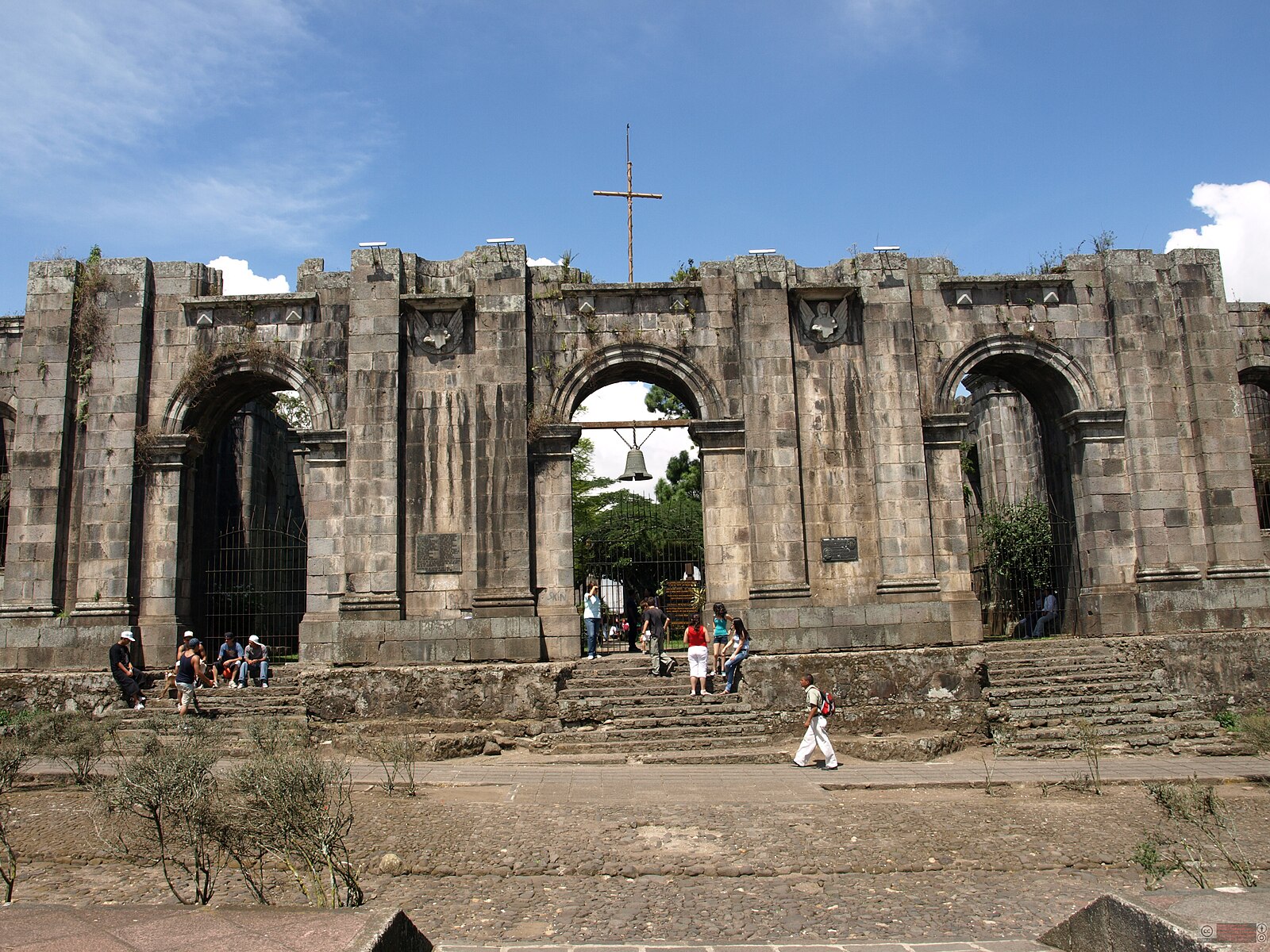
The torch was due at the Plaza de la Democracia in San José at about 6 p.m., where the national anthem is sung. It was due at the ruins of Cartago at 8 p.m., where the official plan had President Laura Fernández lighting the cauldron of liberty.
MEP runs a live tracker at antorcha.mep.go.cr during the two days of the relay. About 3,000 police officers and more than 100 Red Cross volunteers supported the 2026 operation.
Student Marches and Civic Acts on 15 September
The holiday morning belongs to school bands. In San José in 2026, more than 2,000 students from 13 schools marched from 8 a.m. Their route ran along Avenida Segunda from Parque Central to the Plaza de la Democracia.
Marimbas, drums and flags set the tone, and dancers perform traditional steps along the way. President Laura Fernández and Minister Sánchez gave the starting signal for the 2026 parade.
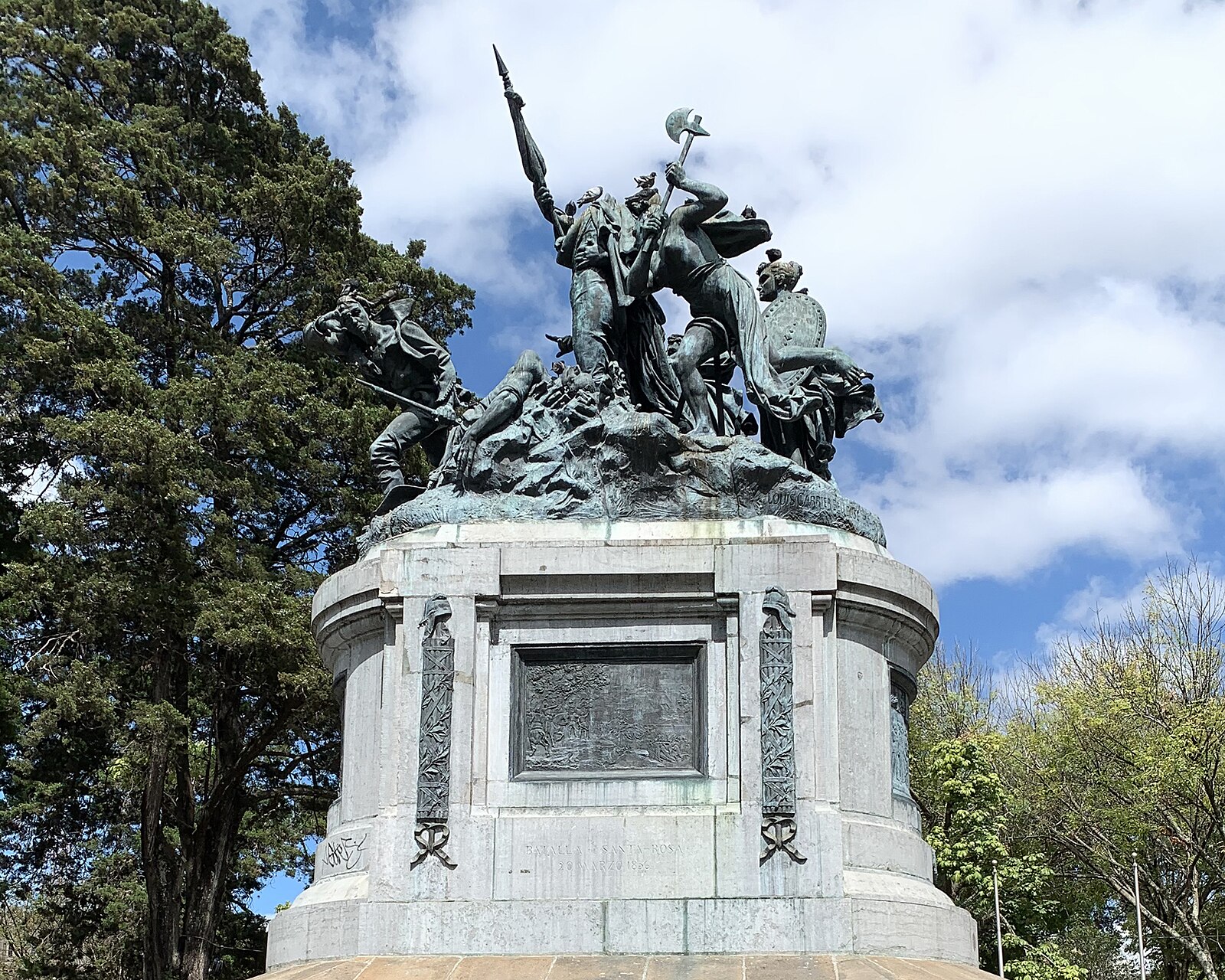
At 9 a.m. the presidency, Central American ambassadors and the San José municipality lay wreaths at the Monumento Nacional in Parque Nacional. The monument honours the Central Americans who fought the filibusters in 1856 and 1857.
In 2026 the San José municipal band played the National Anthem, the Hymn to 15 September and the Patriótica Costarricense. An honour guard attended, but there is no military parade.
That absence is constitutional. Article 12 of Costa Rica’s constitution proscribes the army as a permanent institution and leaves public order to police forces.
Traditional Foods on the Holiday
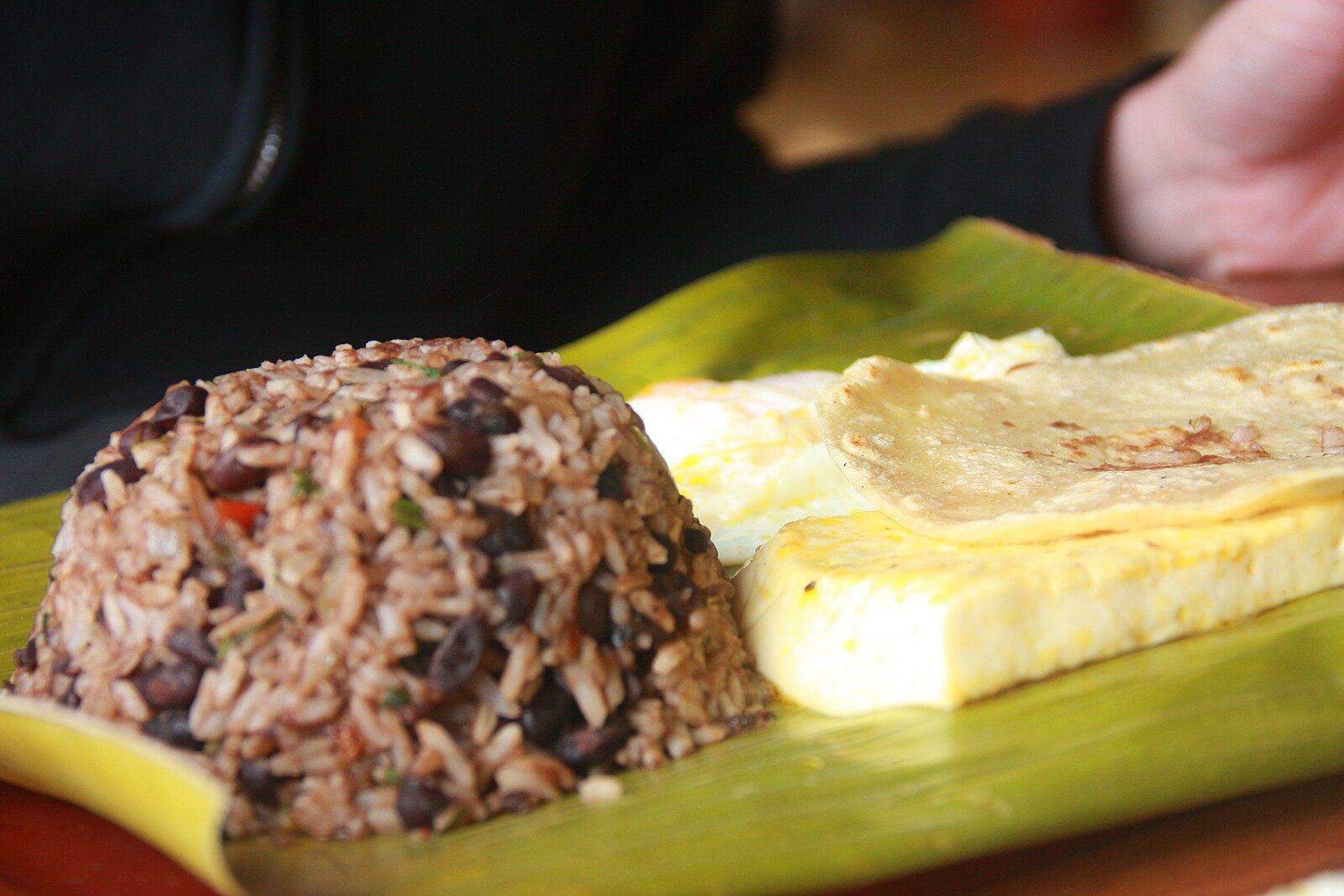
La Nación describes the holiday as a chance to return to national traditions, food among them. The newspaper calls gallo pinto, rice fried with black beans, a usual choice during patriotic celebrations.
The same newspaper lists casados, picadillos, tortillas, chorreadas and olla de carne as staples of the Costa Rican kitchen. A casado is a set plate; chorreadas are corn pancakes; olla de carne is a beef and vegetable stew.
For visitors, the easiest way in is a soda, one of the small local diners that serve home cooking. In September 2026 La Nación published a list of ten sodas and restaurants for typical food on the holiday.
Where to See It in San José and Beyond
Cartago is the ceremonial centre on the evening of 14 September. In 2026 the government held a cabinet session at the Plaza Mayor before the torch arrived and the cauldron was lit at the ruins.
The city also held its own lantern parade.
San José offers both days. Catch the torch at the Plaza de la Democracia around 6 p.m. on the 14th, then the Avenida Segunda parade and the 9 a.m. wreaths on the 15th.
The torch route makes every town along it a viewing point. In 2026 the flame passed Alajuela’s Parque Juan Santamaría and Heredia’s Parque Nicolás Ulloa on the afternoon of the 14th.
Smaller towns give the same tradition without the crowds. Because every school runs its own lantern parade, the neighbourhood primary school is often the best seat in the country.
Times shift every year with the route. In 2026 MEP presented the plan on 27 August, and the live tracker shows where the flame is during the relay.
What It Means for US Readers
For Americans, the date has a domestic echo. National Hispanic Heritage Month runs from 15 September to 15 October because 15 September is independence day for Costa Rica and four neighbours.
The observance began in 1968 as a week under President Lyndon Johnson. It was expanded to 30 days under President Ronald Reagan and enacted into law on 17 August 1988 as Public Law 100-402.
Travellers should plan around crowds and closures rather than avoid the dates. Traffic police escort the torch and town centres close streets for morning parades, so allow extra time on 14 and 15 September.
Investors and US firms with staff in Costa Rica should note the labour rule. No worker can be obliged to work on 15 September, and those who do earn double pay, with overtime paid at triple rate.
Expats with children in local schools will be drawn in. Lanterns are made at home, and traffic police ask that minors at the parades always be accompanied by a responsible adult.
Connected Coverage
Costa Rica’s Lantern Parade Is Monday Night, and Independence Day Closes Things on Tuesday
Central American Independence Day Explained
Costa Rican People, Pura Vida, Tipping and Customs
Costa Rica Culture Explained, Language and Traditions
What Is Not Known
MEP has not yet published the 2027 torch route, timetable or the number of student runners. It presented the 2026 plan on 27 August 2026.
Historians still debate how popular the 1821 decision was. Arnoldo Moya and Lucía Arce describe an open council that did not include the whole population.
Moya doubts most residents knew what was decided.
Security arrangements for 2027 are open. The 2026 events in Cartago took place under heavy police presence amid tension between supporters and opponents of President Laura Fernández, La Nación reported.
A bill filed in May 2026 by Wilson Jiménez, a deputy of the governing Pueblo Soberano party, would move five holidays to Mondays. It does not include 15 September, and its fate in the Legislative Assembly is unknown.
Frequently Asked Questions
When is Costa Rican Independence Day?
Every 15 September. The next one is Wednesday 15 September 2027, and the lantern parades take place on the evening before, Tuesday 14 September 2027.
Why do five Central American countries share 15 September?
Because the Act of Independence signed in Guatemala City on 15 September 1821 covered the whole Captaincy General of Guatemala. Costa Rica, Guatemala, El Salvador, Honduras and Nicaragua all mark the date.
When did Costa Rica itself declare independence?
The news reached Costa Rica on 13 October 1821. Town councils meeting in Cartago signed an act proclaiming absolute independence from Spain on 29 October 1821.
What is the lantern parade?
The desfile de faroles, held at 6 p.m. on 14 September in most communities. Children carry handmade lanterns, and the tradition has been officially organised since 1953.
What is the Independence Torch?
A relay begun in 1964 that carries a flame from Guatemala through Central America to Cartago. In 2026 about 22,000 students carried it some 378 kilometres inside Costa Rica.
Is 15 September a paid holiday in Costa Rica?
Yes. It is a mandatory paid holiday that cannot be moved, and anyone who works that day earns double pay, according to the Ministry of Labour.
Sources: Ministerio de Educación Pública, Fiestas Patrias 2026 operation, https://www.mep.go.cr/noticias/3000-oficiales-22000-estudiantes-378-kilometros-asi-se-organiza-costa-rica-vivir-sus-205; MEP, 205 years of independence parades, https://www.mep.go.cr/noticias/205-anos-libertad-costa-rica-celebra-su-independencia; MEP, lantern parade, https://www.mep.go.cr/noticias/noche-desfile-faroles; MEP, Day of the Signing and Swearing of Independence, https://www.mep.go.cr/noticias/dia-firma-juramentacion-independencia-costa-rica; MEP, torch relay 2025, https://www.mep.go.cr/noticias/antorcha-independencia-inicio-recorrido-costa-rica; Constitution of Costa Rica, Article 12 (Constitute Project), https://www.constituteproject.org/constitution/Costa_Rica_2020; Library of Congress and partners, About National Hispanic Heritage Month, https://www.hispanicheritagemonth.gov/about; Teletica, holiday pay (Ministry of Labour), https://www.teletica.com/nacional/feriado-del-15-de-setiembre-es-de-pago-obligatorio-y-no-se-puede-trasladar_417092; Teletica, historians on 1821, https://www.teletica.com/nacional/siete-hechos-poco-conocidos-sobre-la-independencia-de-costa-rica_392129; CR Hoy, origin of the lantern parade, https://crhoy.com/nacionales/por-que-costa-rica-celebra-el-desfile-de-faroles/; CR Hoy, Monday holidays bill, https://crhoy.com/nacionales/cinco-feriados-podrian-trasladarse-al-lunes-si-se-aprueba-proyecto-de-ley/; El Observador, 2026 torch route, https://observador.cr/antorcha-de-la-independencia-comenzo-su-recorrido-por-costa-rica-llegaria-a-cartago-este-lunes-a-las-8-p-m/; Infobae, 2026 torch route, https://www.infobae.com/costa-rica/2026/09/14/antorcha-de-la-independencia-continua-su-recorrido-por-costa-rica-laura-fernandez-la-recibira-en-cartago/; La Nación, Cartago events 2026, https://www.nacion.com/el-pais/actos-de-independencia-en-cartago-estuvieron/XZPZHFL5IRGAXHC2BZQCFT3HUM/story/; La Nación, typical food on the holiday, https://www.nacion.com/viva/dia-de-la-independencia-10-lugares-para-saborear/YRFFAS66IVFYNIEKQ2BP2MKFEM/story/. All accessed 13 October 2026.
This article was produced by The Rio Times’ automated newsroom system. How we use AI · Report an error · Editorial responsibility: Matthias Camenzind, Editor-in-Chief
Expat Guide to Costa Rica
What The Rio Times publishes for foreigners who live in or move to Costa Rica.
Start here
- Fer De Lance Snake Facts and Safety Tips
- Best Places to Live in Costa Rica for Expats 2026
- Costa Rica Income Tax Bill Would Charge Residents 15% on Five Kinds of Foreign Investment Income
- Costa Rica Permanent Residency and Citizenship: How the Rules Work
City guides
Coming up in Costa Rica
- Humbe Plays Parque Viva in Costa Rica on 18 October 18 Oct
- The Rasmus play San José on 20 October 20 Oct
- Rosario Flores brings Gira 2026 to San José 24 Oct
- Reggae giants Cultura Profética play Belén 25 Oct 25 Oct
Understand Costa Rica