
COSTA RICA · FOOD
Key Facts
- —The basics Costa Rica traditional food rests on rice, black beans, corn, plantains and beef, with gallo pinto at breakfast, the casado plate at lunch and olla de carne beef stew, as of October 2026.
- —Why it matters Americans made up 56.8% of the 1,733,596 international tourists who reached Costa Rica in the first half of 2026, so these dishes shape the daily food budget of most US visitors.
- —The numbers At Spoon, a Costa Rican café chain, a full gallo pinto breakfast costs about US$12.61 and a fish casado with a drink about US$15.90, as of 15 October 2026.
- —Who is who Sodas are small family diners that serve set plates; the Costa Rica Tourism Board promotes gallo pinto as the national dish; the Ministry of Economy enforces final menu prices and the rule that the 10% service charge applies only to table service.
- —What to watch December 2026 brings tamal season, when families gather for the tamaleada, the shared cooking of corn dough tamales wrapped in leaves and eaten with coffee or agua dulce.
- —Power Index Costa Rica ranks 9th of 14 in The Rio Times Latin America Power Index, with 36.5 points (October 2026 edition).
- —What it means for you US visitors should check menus for final prices, pay the 10% service charge only for table service, and declare all food and farm products to US customs on return.
Rice, beans, corn and beef make up Costa Rica traditional food, but the plates vary from breakfast to bar snacks. Here is what to order, where to find it and what it costs in US dollars.
Costa Rica traditional food is simple, filling and built on rice, black beans, corn, plantains and beef. Gallo pinto opens the day, the casado plate fills lunch, and olla de carne is the classic beef stew.
Americans were 56.8% of foreign tourists in Costa Rica in the first half of 2026, so these plates matter to US travelers. This guide covers the dishes, their ingredients, where to eat them and their prices in US dollars as of October 2026.
The Costa Rica Traditional Food Every Visitor Should Try
The Costa Rica Tourism Board (ICT), the government agency that markets the country abroad, calls gallo pinto the national dish. Its official culinary material also highlights olla de carne, Caribbean rice and beans, patí pastries and tamales.
Most meals use the same base: rice, black or red beans, corn tortillas, ripe plantains, fresh cheese and natilla, a sour cream. Dishes are mild, and diners add heat from chilera, a jar of pickled hot peppers and vegetables, or bottled hot sauce.
Salsa Lizano, a brown, slightly sweet vegetable sauce, is a common table condiment and a frequent ingredient in gallo pinto. The list below gives the dishes a first-time visitor will meet most often, plus several worth seeking out.
- Gallo pinto: rice and beans fried with onion, sweet pepper and cilantro, served at breakfast.
- Casado: the lunch plate of rice, beans, salad, plantains and a choice of meat or fish.
- Olla de carne: beef stew with yuca, taro, potatoes and plantains.
- Sopa negra: black bean soup, often with a hard-boiled egg.
- Chifrijo: rice, beans, fried pork, pico de gallo and tortilla chips in one bowl.
- Ceviche: raw white fish cured in lime juice with onion, sweet pepper and cilantro.
- Rice and beans: the Caribbean version, cooked with coconut milk.
- Patí: a spicy beef pastry from the Caribbean coast.
- Chorreadas: fresh corn pancakes served with natilla or cheese.
- Tamales: corn dough filled with pork and vegetables, wrapped in leaves, made at Christmas.
- Agua dulce: a hot drink of unrefined cane sugar dissolved in water.
- Flan de coco: a coconut custard, common in coastal areas.
Food is one strand of a wider culture, covered in the guide to Costa Rica culture, language and traditions. Meals also anchor the routines described in the guide to Costa Rica people, culture and daily life.
Gallo Pinto, the National Breakfast
Gallo pinto is rice and beans cooked together with onion, sweet red pepper and cilantro, the ICT says. It usually comes with eggs, bread or tortillas, and coffee or juice.
The name means “spotted rooster,” after the speckled look of beans mixed through white rice. Nicaragua also claims the dish, and the Costa Rican version is best known for black beans rather than red.
TasteAtlas, a food guide that ranks dishes by user ratings, listed gallo pinto among the world’s best bean dishes in April 2026. The Tico Times, an English-language newspaper in San José, reported the listing at the time.
A full plate usually adds eggs, fried cheese, natilla and sweet fried plantains. Spoon, a Costa Rican café chain with 16 branches, sells its full gallo pinto breakfast for CRC 5,750 (about US$12.61).
That plate includes eggs, toast or tortillas, natilla, orange juice and a drink, the chain’s online menu showed on 15 October 2026. Conversions in this guide use 455.96 colones per US dollar, the open.er-api.com rate of 15 October 2026.
Casado, the Everyday Lunch Plate
Casado means “married” in Spanish, and it is the standard lunch at sodas, the small family diners across the country. The plate pairs rice and beans with a salad and a main of chicken, beef, pork or fish.
Common extras are fried ripe plantains, a corn tortilla, a fried egg and picadillo, a chopped vegetable hash often made with chayote. Some sodas add spaghetti or coleslaw, as on the plate pictured at a Central Market soda below.
TasteAtlas named the casado among Costa Rica’s signature dishes when it ranked the national cuisine 85th of 100 in its 2025/26 awards. Costa Rica scored 3.98 in a ranking built on 590,228 user ratings, The Tico Times reported in May 2026.
At Spoon, a fish casado with a drink costs CRC 7,250 (about US$15.90), and a chicken-and-rice casado costs CRC 6,850 (about US$15.02). Prices at small sodas could not be checked online for this guide, so look at the menu board before ordering.

Hearty Soups and Stews
Olla de carne is a beef stew of short ribs or flank steak with yuca, taro, potatoes and plantains, the ICT says. It is common in sodas and can be eaten at any time of day.
Many cooks also add corn on the cob, chayote, carrots or squash to the pot. White rice usually comes on the side, and diners spoon it into the broth.
Sopa negra is a black bean soup, often finished with a hard-boiled egg and chopped cilantro. Sopa de mondongo, a tripe soup, is a long-standing dish at the food stalls of the Central Market in San José.
On the Pacific coast, sopa de mariscos is a tomato-based seafood soup with clams, mussels, shrimp, squid and fish. The tourism board recommends seeking it out in Pacific coastal towns, close to the source of the seafood.
Chifrijo, Ceviche and Bar Bocas
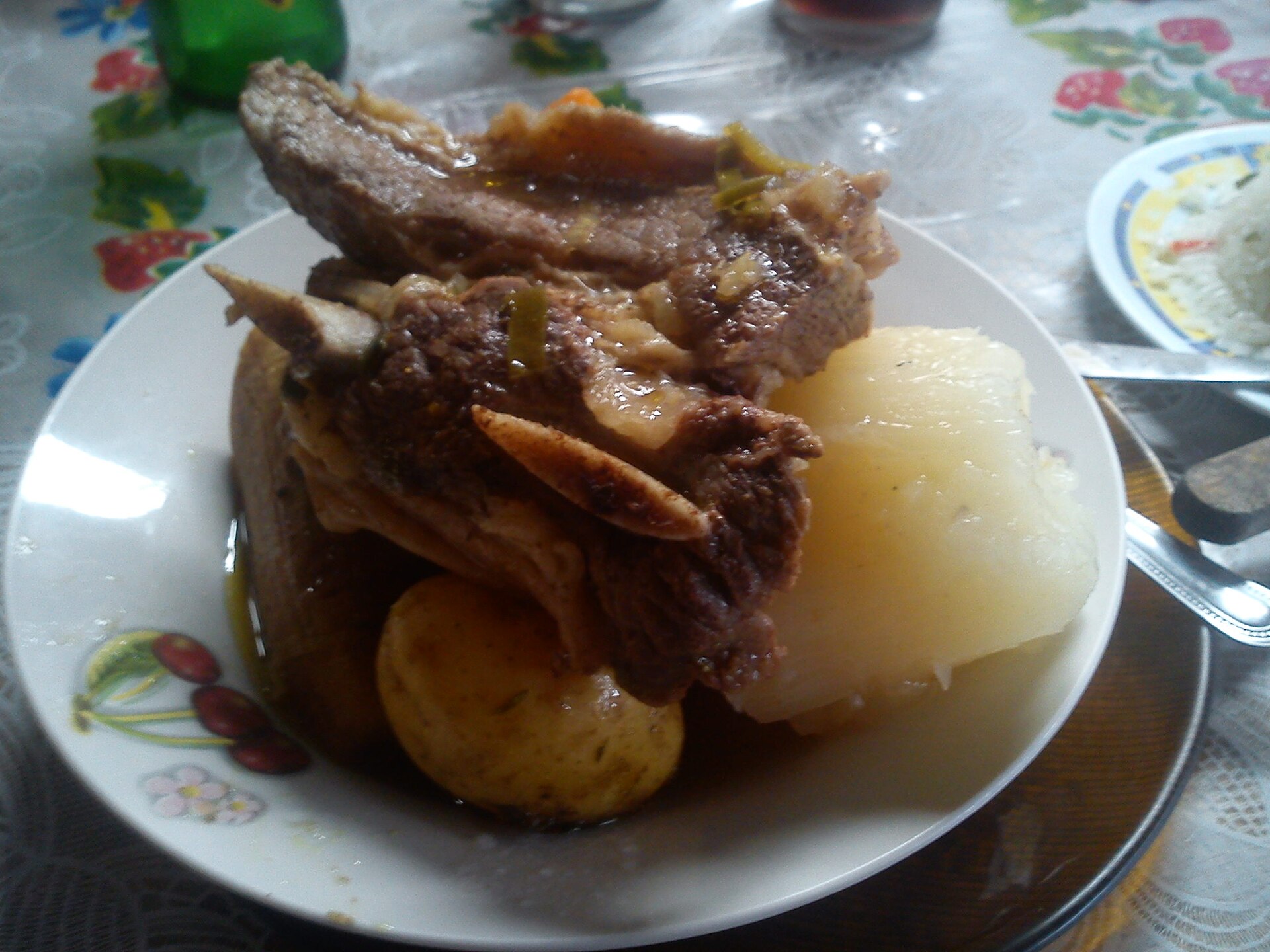
Bocas are small plates served with drinks in Costa Rican bars, and chifrijo is among the most popular. It layers rice, tender beans, fried pork, pico de gallo, avocado and fried tortilla chips in one bowl.
The name joins chicharrón, fried pork, and frijoles, beans. Miguel Cordero said he created the dish at Cordero’s Bar in Tibás, just north of San José.
Cordero died in May 2020, aged 79, the Costa Rican news site El Observador reported. His family said it registered chifrijo as a trademark in 2002, and in 2015 it sued 49 businesses over the name.
At Spoon, a personal chifrijo costs CRC 4,950 (about US$10.86) and a large one CRC 6,950 (about US$15.24). Many bars sell it in two sizes, a small bowl as a snack and a larger plate as a light dinner.
Ceviche, raw white fish cured in lime juice with onion, sweet pepper and cilantro, is the other bar staple. It comes with soda crackers or tortilla chips, and shrimp or mixed seafood versions are common.
Caribbean Rice and Beans and Guanacaste Corn
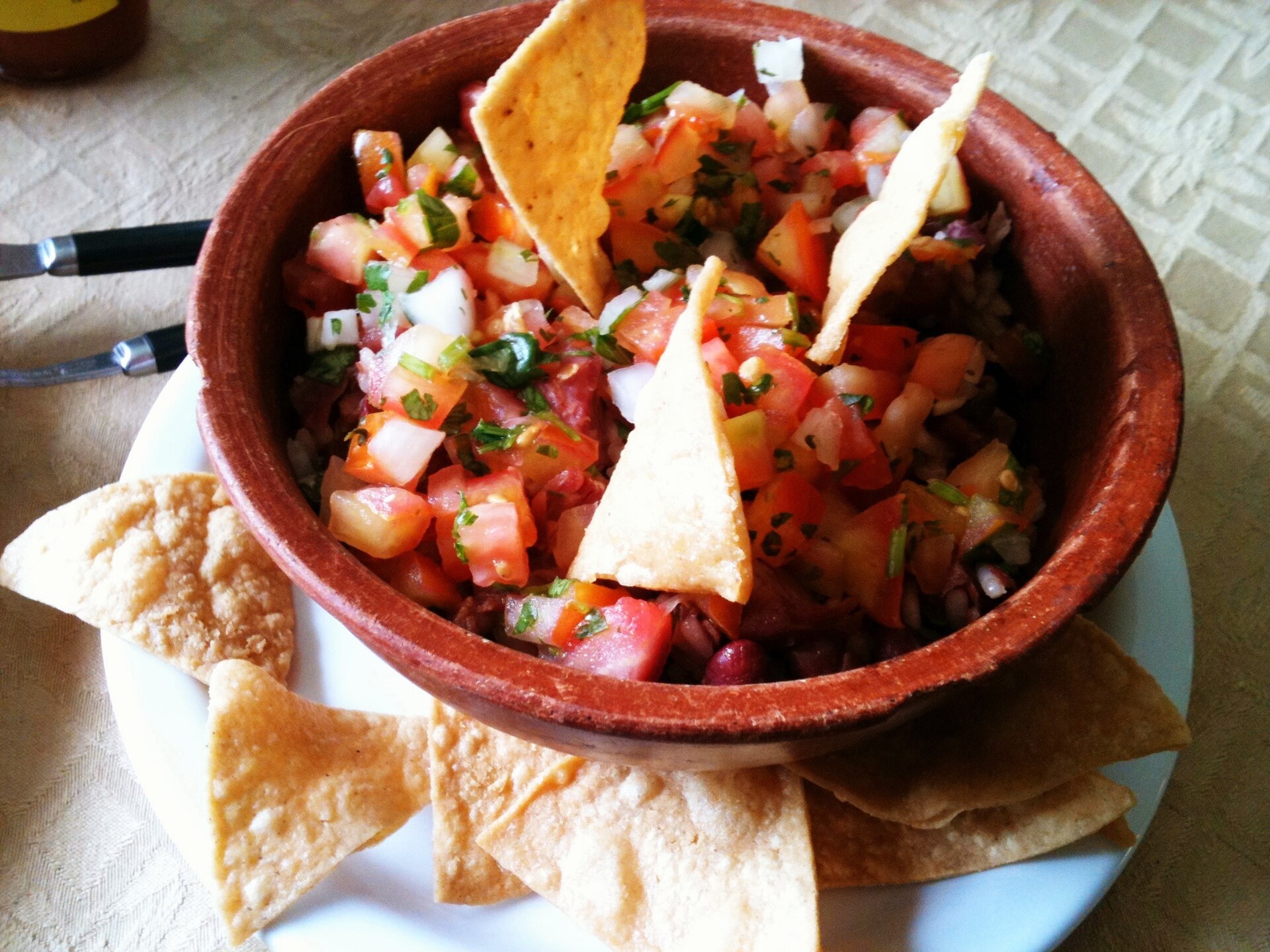
On the Caribbean coast in Limón province, rice and beans is cooked with coconut milk and spices, the ICT says. The style reflects the Afro-Caribbean community, many descended from Jamaican workers who came to build the railway from the 1870s.
Patí, a spicy beef pastry, is another Caribbean specialty that the tourism board recommends trying in Limón. Local cooks also make rondón, a coconut stew of fish or seafood with root vegetables.
Guanacaste, the dry northwestern province, is known for its corn cooking, with tortillas, rosquillas and tanelas made from corn dough. Chorreadas, sweet pancakes of fresh corn, are served with natilla or cheese across the country.
Tamales are the Christmas dish, made at a family tamaleada where relatives of all ages share the work. Corn dough is filled with pork, rice, potatoes and sweet peppers, wrapped in leaves and eaten with coffee or agua dulce.
Festivals bring their own foods, as the guide to Costa Rican Independence Day shows. The September holiday is one of several dates when families cook traditional dishes at home.
Drinks and Sweets to Order
The ICT recommends coffee from a chorreador, a cloth filter hung on a wooden stand. Agua dulce, unrefined cane sugar dissolved in hot water, is a traditional alternative, especially in rural homes.
Frescos naturales are fruit drinks blended with water or milk, using cas, a tart local guava, guanábana or blackberry. A 16-ounce cas drink costs CRC 2,290 (about US$5.02) at Spoon, and filtered coffee costs CRC 2,250 (about US$4.93).
Pipa, a green coconut opened with a machete, is sold at roadside stands for its water. Guarapo, fresh sugarcane juice, and flan de coco both appeared among the Costa Rican highlights in the TasteAtlas awards.
Other common desserts include arroz con leche, a cinnamon rice pudding, and tres leches cake. Cajeta, a fudge of milk and sugar, is sold in small blocks at markets and bakeries.
Where to Eat It and What It Costs
Sodas are the main place to eat traditional food, with set plates and family recipes. They range from roadside counters to stalls inside municipal markets.
The Central Market in San José, founded in 1880, had about 240 stalls in 2020, La Nación reported. It was declared national architectural and historical heritage in 1995, and its sodas serve casados at counters.
Weekend farmers markets, called ferias del agricultor, sell fruit, cheese and ready-made food in most towns. A directory built by University of Costa Rica students, deferia.cr, lists more than 80 weekly markets, The Tico Times reported.
The Ministry of Economy, Industry and Commerce (MEIC), which enforces consumer law, requires menus to show the final price. Under Law 4946, a 10% service charge applies only to table service, and the ministry says charging it on takeout is illegal.
MEIC checks in October 2025 found 51 of 87 businesses in 12 food halls breaking at least one rule. Businesses that did not correct the problems were reported to the National Consumer Commission, which can impose fines.
On Spoon’s prices, a traditional breakfast costs about US$12.61 and a casado with a drink US$15 to US$16 as of October 2026. Any tip beyond the service charge is voluntary, and a guide to Costa Rican customs and tipping covers the etiquette.
A wider breakdown of hotel, transport and food spending is in the guide to Costa Rica travel costs for US visitors. The San José city page covers neighbourhoods and services for longer stays.
What It Means for US Readers
The United States is Costa Rica’s largest tourist market, with 984,939 American arrivals in the first half of 2026, ICT figures show. That was 56.8% of all international tourists, after 1,627,807 American arrivals in the whole of 2025.
Budgets can follow the Spoon benchmarks above, and the 10% service charge applies only when staff serve the table. Ask for the final price if a menu does not show it, since the law requires it.
The CDC recommends hepatitis A vaccination for unvaccinated travelers aged one year or older going to Costa Rica. It advises considering a typhoid vaccine for areas with poor sanitation, including rural areas, or stays of a month or more.
Coffee and Salsa Lizano are popular souvenirs, but US Customs and Border Protection requires travelers to declare all agricultural products. Inspectors decide what may enter, and some meat products are prohibited.
The Costa Rica hub collects all Rio Times coverage of the country. It includes travel, safety and cost-of-living reporting for US visitors and residents.
What Is Not Known
No official average price for a soda meal is published, so this guide uses one chain’s online prices as a benchmark. Menu prices change, and the figures here are a snapshot from 15 October 2026.
Chifrijo’s 1979 origin rests on Miguel Cordero’s own account, which a 2018 Tico Times review said it could not confirm. Opening hours for the Central Market could not be confirmed from an official municipal source.
TasteAtlas rankings rest on user ratings rather than an expert panel. They can change between editions, so treat them as a guide to popularity, not quality.
Frequently Asked Questions
What is the most traditional food in Costa Rica?
Gallo pinto, rice and beans cooked with onion, sweet pepper and cilantro, is the national dish, the Costa Rica Tourism Board says. The casado lunch plate and olla de carne beef stew are close behind.
How much does a meal cost in Costa Rica in US dollars?
At the café chain Spoon, a gallo pinto breakfast costs about US$12.61 and a casado with a drink US$15 to US$16. Those are October 2026 prices, and table service adds a 10% service charge.
What is in a Costa Rican casado?
A casado combines rice, beans, salad and a main of chicken, beef, pork or fish. It often adds fried ripe plantains, a tortilla, an egg or a vegetable hash called picadillo.
Is Costa Rican food spicy?
Most Costa Rican dishes are mild and built on rice, beans, corn and fresh herbs. Diners add heat with chilera, a pickled hot pepper relish, or bottled hot sauce.
Where can I try traditional Costa Rican food in San José?
The sodas of the Central Market, founded in 1880, are the classic choice for casados and soups. Small sodas across the city and weekend farmers markets also serve traditional plates.
Do restaurants in Costa Rica add a service charge?
Yes, a 10% service charge applies when staff serve at the table, but not on takeout, the Ministry of Economy says. Menus must show the final price, and any extra tip is voluntary.
Can I bring Costa Rican food back to the United States?
You must declare all agricultural products to US Customs and Border Protection when you arrive. Inspectors decide what may enter, and some meat products are prohibited.
Sources: Costa Rica Tourism Board (ICT), culinary press material; ICT, international arrivals, first half 2026; ICT, first half 2025; ICT, second half 2025; Spoon, breakfast menu; Spoon, lunch plates; Spoon, traditional dishes; Spoon, drinks; CDC, Travelers’ Health, Costa Rica; US Customs and Border Protection, agricultural products; Law 9116 amending Law 4946, 10% table service charge (Poder Judicial); El Observador, MEIC on the service charge; Delfino, MEIC food hall checks; El Observador, Miguel Cordero and chifrijo; The Tico Times, Cordero’s Bar; La Nación, Central Market; El Mundo CR, Central Market; The Tico Times, gallo pinto ranking; The Tico Times, TasteAtlas cuisine ranking; The Tico Times, farmers markets; The Tico Times, tamales; exchange rate from open.er-api.com (all accessed 15 October 2026).
This article was produced by The Rio Times’ automated newsroom system. How we use AI · Report an error · Editorial responsibility: Matthias Camenzind, Editor-in-Chief
Expat Guide to Costa Rica
What The Rio Times publishes for foreigners who live in or move to Costa Rica.
Start here
- Fer De Lance Snake Facts and Safety Tips
- Best Places to Live in Costa Rica for Expats 2026
- Costa Rica Income Tax Bill Would Charge Residents 15% on Five Kinds of Foreign Investment Income
- Costa Rica Permanent Residency and Citizenship: How the Rules Work
City guides
Coming up in Costa Rica
- Humbe Plays Parque Viva in Costa Rica on 18 October 18 Oct
- The Rasmus play San José on 20 October 20 Oct
- Rosario Flores brings Gira 2026 to San José 24 Oct
- Reggae giants Cultura Profética play Belén 25 Oct 25 Oct
Understand Costa Rica