In Beijing, top Chinese officials are locked in discussions that could reshape the nation’s economic landscape.
At the helm, President Xi Jinping steers the third plenum of the Communist Party’s Central Committee.
The gathering, crucial for the next five to ten years, seeks to navigate through economic turbulence marked by a sluggish property market, weak consumer demand, and global trade hurdles.
Historically, such plenums have been turning points. In 1978, Deng Xiaoping’s pivotal “reform and opening-up” policy set off decades of explosive growth.
Today, the focus shifts towards fortifying China‘s tech independence and rebalancing the economy, moving from rapid growth to sustainable innovation.
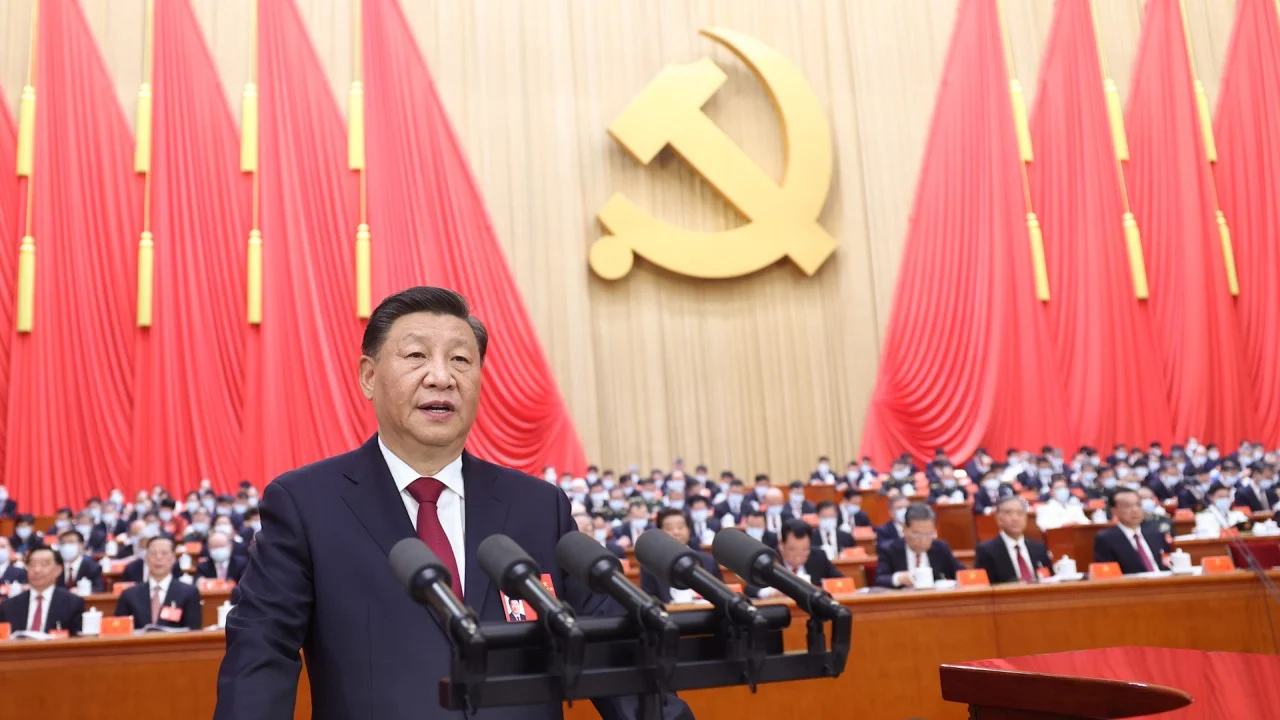
This year’s plenum breaks a decade-long pattern by prioritizing economic reform.
This change comes amidst a backdrop of 4.7% GDP growth in the recent quarter—a figure that fell short of expectations.
The meeting aims to boost confidence and chart a clear course amid rising geopolitical tensions.
Central to the discussions is the drive for tech autonomy, vital for sectors like electric vehicles and semiconductors.
The government plans to funnel resources into these strategic industries, sparking innovation and upscale manufacturing.
Furthermore, it aims to tackle soaring youth unemployment and housing affordability, stressing the creation of jobs and improving social welfare.
China’s Strategic Pivot
Policy shifts at the plenum are expected to bolster a new national system focusing on centralized resource allocation—a strategy aligning more with geopolitical aims than economic ones.
This indicates a move towards tighter economic controls under Xi’s regime, concentrating on breakthrough innovations rather than traditional growth metrics.
Tax reform might also surface as a solution to the property downturn, potentially granting more financial leeway to local governments dependent on land sales revenues.
For global investors and businesses, the outcomes from this week’s deliberations are pivotal.
They are keen to discern whether China will introduce major stimulus measures or continue with its long-term structural adjustments.
The choices made could either fortify China’s position as a global innovation leader or deepen its economic challenges. In essence, the third plenum is not just another meeting.
It’s a strategic pivot point for China, aiming to harmonize the need for innovative growth with the complexities of an evolving global and domestic backdrop.
The world watches as China decides its path forward, understanding that the ripple effects will reach far beyond its borders.
This article was produced by The Rio Times’ automated newsroom system. How we use AI · Report an error
Read More from The Rio Times