China’s Road to Tomorrow: Pioneering the Robotaxi Revolution
China’s stride in robotaxi technology is setting the stage for a revolution in global transportation.
Cities like Beijing, Wuhan, and Chongqing are already witnessing the rise of these futuristic vehicles, establishing China as a frontrunner in the autonomous vehicle industry.
Here, Baidu leads the charge, deploying fully driverless taxis and pushing the boundaries of urban mobility.
The operation of these robotaxes is strictly regulated, with activities confined to specific zones and times to ensure safety.
For instance, Baidu’s taxis serve Wuhan’s Economic and Technological Development Zone and Chongqing’s Yongchuan District, adhering to stringent operational guidelines.
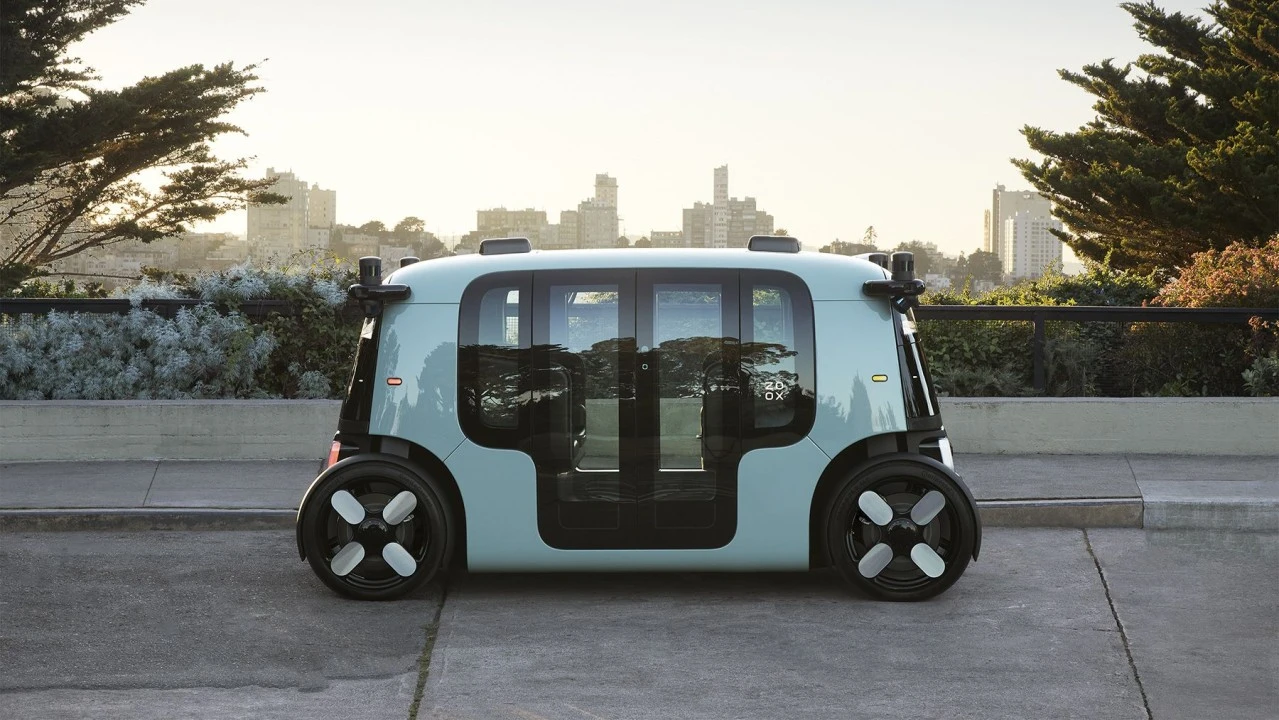
These controlled settings provide a real-world lab for honing autonomous technology under various urban conditions.
These vehicles boast cutting-edge features like “5th generation” autonomous systems equipped with LiDAR and “4D” radar sensors.
These advancements enable them to tackle complex driving scenarios safely.
Companies like AutoX underscore the sophistication of these systems, capable of detecting even minute obstacles, thus enhancing their operational reliability.
The regulatory landscape in China offers a distinct advantage, fostering quicker adaptation and implementation compared to the fragmented and slower regulatory processes in the U.S.
This proactive approach facilitates swift technological evolution and wider adoption across cities.
This rapid advancement in autonomous driving technology doesn’t just redefine local transit systems; it positions China at the heart of the global shift toward automated transportation.
Such advancements not only promise enhanced efficiency and safety but also herald a transformative era in global transportation dynamics.
This article was produced by The Rio Times’ automated newsroom system. How we use AI · Report an error
Read More from The Rio Times