China-Russia-North Korea Pact for Sea of Japan Access Worries Tokyo
China plans to discuss with Russia and North Korea navigating the Tumen River to the Sea of Japan. This move has security implications for Japan.
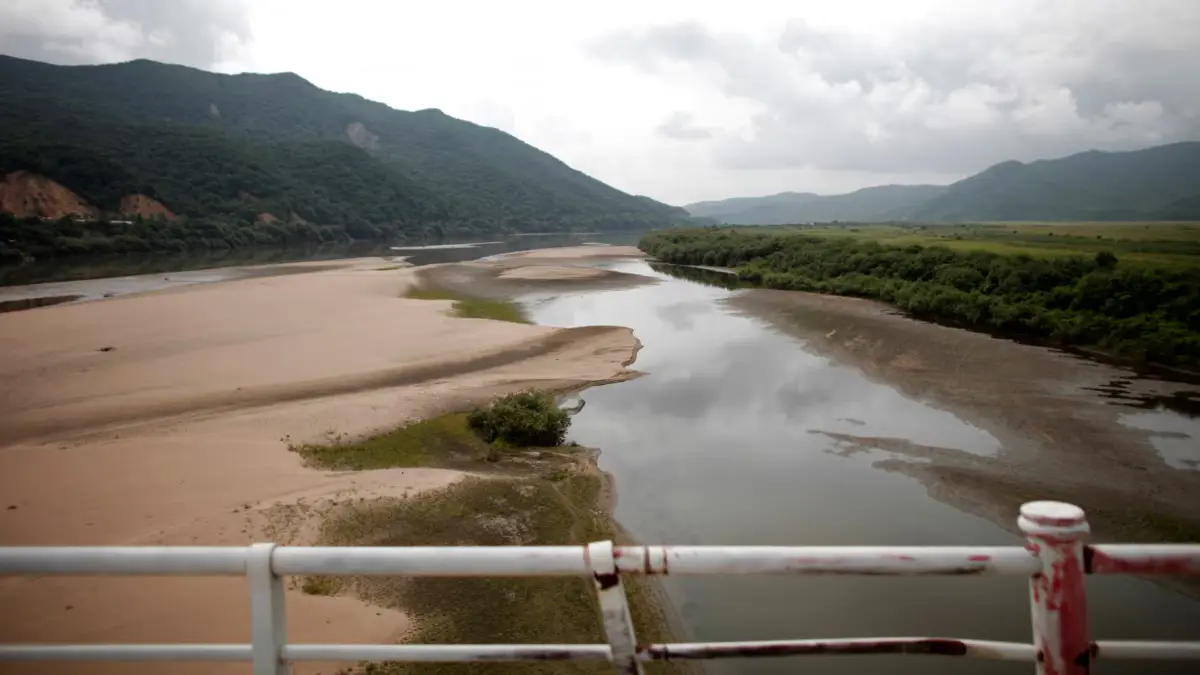
The river flows along borders with China, Russia, and North Korea, reaching the sea just beyond Fangchuan in Jilin province.
Currently, Chinese ships need permission beyond this point, as a Soviet-era bridge blocks the last 15 kilometers.
After talks, Chinese President Xi Jinping and Russian President Vladimir Putin proposed a “constructive dialogue” with North Korea about the river.
Historically controlled by China until the 1860s, the river area was then taken over by the Russian Empire. China now wants a special economic zone along the river.
Russia’s initial reluctance has shifted due to its increasing trade dependence on China following Western sanctions.
With its trade with China up since the Ukraine conflict, Russia views collaboration as beneficial.
North Korea, closer to Russia due to sanctions, might join talks, as suggested by a meeting between Chinese official Zhao Leji and North Korean leader Kim Jong Un in Pyongyang.
China plans to widen the river and demolish the bridge, enabling larger ships to pass.
This would facilitate cheaper transport and boost economic ties with Northeast Asia, including Japan and South Korea.
However, Japan faces increased security concerns. Larger Chinese vessels, including coast guard ships, could increase their presence in the Sea of Japan.
This could potentially divert Japanese efforts from the disputed Senkaku Islands.
The joint statement by Xi and Putin also highlighted expanded military drills and joint patrols, increasing Chinese and Russian activities in the region.
This collaboration could strengthen Beijing’s position in Northeast Asia and challenge Japan’s maritime security.
This article was produced by The Rio Times’ automated newsroom system. How we use AI · Report an error
Read More from The Rio Times