The Complex Impact of Chinese Investments on Ethiopia’s Industrial Growth
Ethiopia’s industrialization has accelerated, thanks to substantial Chinese investments. This influx aims to create jobs and opportunities for Ethiopia’s growing population.
Yet, policymakers and civil society have rarely considered the broader impacts, including work culture changes and land rights issues.
Ethiopia leads in attracting foreign direct investment in Africa. Chinese contributions tripled in 2021 compared to the previous year. Despite this, the journey hasn’t been smooth.
The COVID-19 pandemic and a two-year conflict in Tigray ending in 2022 caused significant disruptions.
Additionally, the U.S. removed Ethiopia from the AGOA Trade Preference Program due to Tigray-related sanctions.
Investors highlight issues with customs regulations and trade logistics. They advise the government to focus on retaining current investors amid the challenging economic climate.
Since the early 2000s, Ethiopia has pursued an active industrial policy. However, results have varied across sectors.
This inconsistency underscores the need to consider industrial structure, linkage dynamics, and political economy.
Effective industrial policy must emphasize manufacturing and exports to drive economic transformation and growth.
The push to attract textile and garment manufacturers faces hurdles due to wage disputes and high employee turnover.
Ethiopia lacks a legislated minimum wage, complicating efforts to stabilize the labor market. Addressing these labor issues is crucial for sustainable industrial growth.
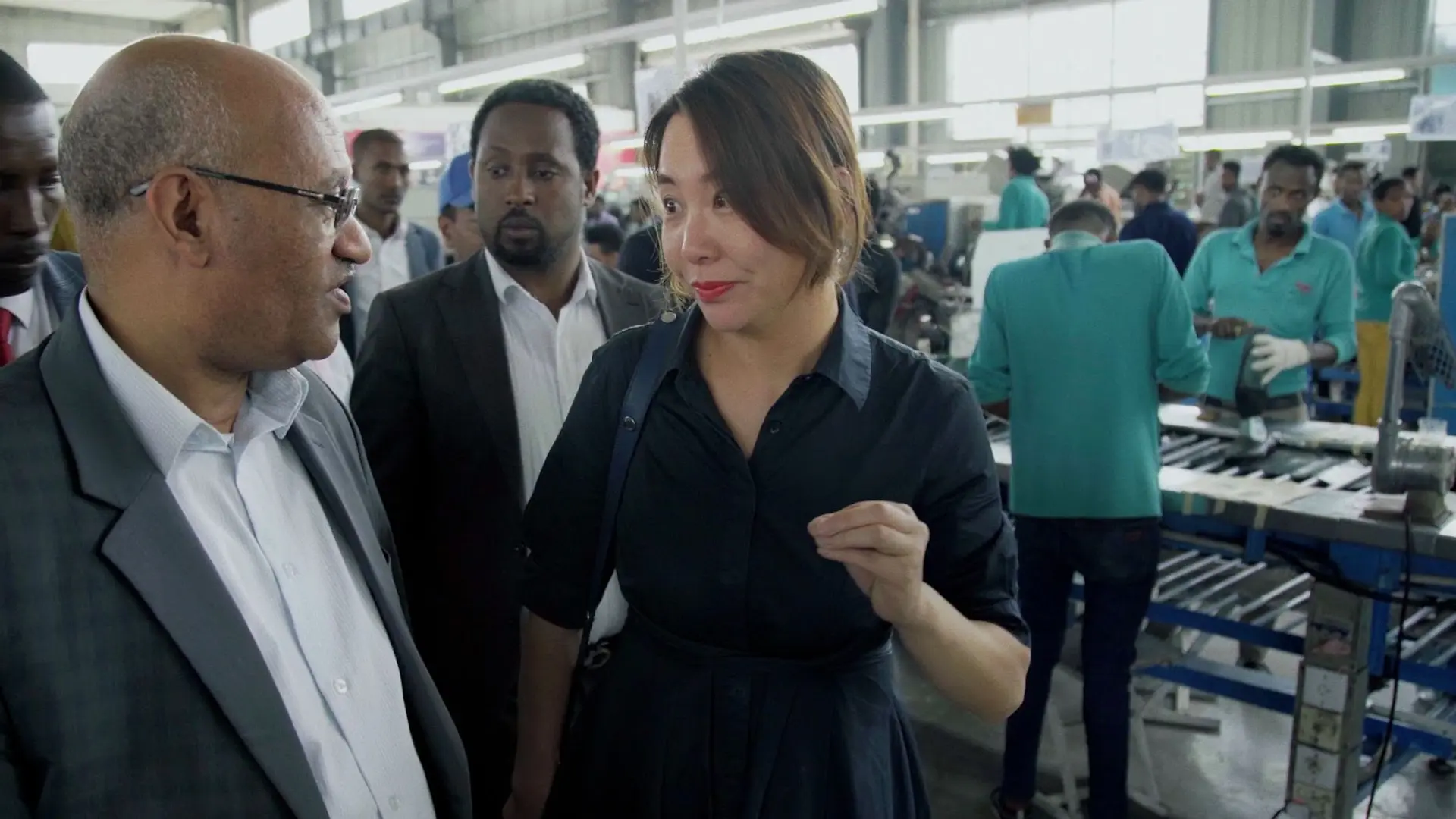
“Made in Ethiopia,” a documentary showcased at the Tribeca Film Festival, explores Chinese investments’ impacts.
Focusing on the Eastern Industrial Park near Addis Ababa, it examines work culture clashes and the expansion of industrial parks, now around 30 in total.
The film highlights local sacrifices and the struggles of Ethiopian workers and their Chinese colleagues.
Corruption, described as “thieves in the middle,” impacts land compensation for industrial parks.
Efforts to establish trade unions in industrial parks are gradually succeeding. This progress aims to reduce tensions and create fair working environments.
Investment Outlook
Despite recent turmoil, investment advisors remain optimistic. They believe the government is improving productivity and reducing trade imbalances through import substitution.
Ethiopia’s experience shows that focusing on manufacturing and exports can drive structural transformation and economic growth.
In summary, Chinese investments have significantly boosted Ethiopia’s industrial growth.
However, addressing labor disputes, logistical challenges, and political instability remains essential for long-term success.
The documentary “Made in Ethiopia” and ongoing dialogue efforts provide valuable insights into navigating these challenges and achieving sustainable development.
More: Ethiopia news in English, every day from The Rio Times.
This article was produced by The Rio Times’ automated newsroom system. How we use AI · Report an error
Part of our ongoing coverage
Africa: The New Scramble — the great-power contest over the continent.
Read More from The Rio Times