CHILE · MARKETS
Key Facts
- —What happened Sport-utility vehicles (SUVs) made up 54.7% of new car sales in Chile through August this year.
- —How big Chinese automaker BYD shipped 1,918 battery-electric and hybrid vehicles into Chile’s Port of San Antonio in one delivery.
- —What it means Chinese brands have grabbed roughly a third of Chile’s car market this year, up sharply from a few years ago.
- —The catch Despite that surge, plug-in electric vehicles still make up only about 6.5% of Chile’s total car market.
- —What comes next Toyota remains Chile’s top-selling brand with 17,444 vehicles sold, and BYD alone expects over 10,000 more by year’s end.
SUVs, Chinese brands and new electric vehicles are reshaping Chile’s car market fast.
Sport-utility vehicles — SUVs — now dominate car lots across Chile. They made up 54.7% of new sales through August, Chile’s National Automotive Association (ANAC) says.
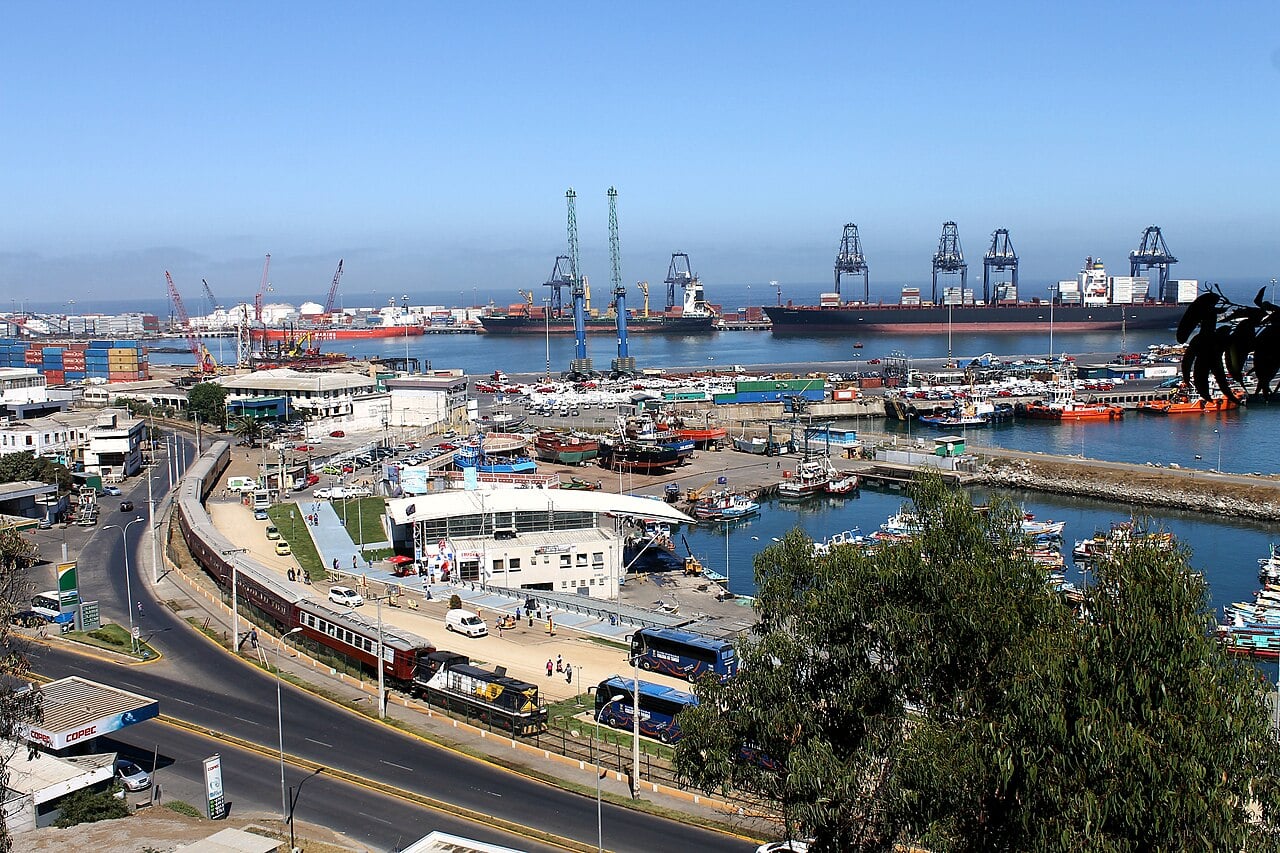
Chinese automaker BYD is riding the same wave. It shipped 1,918 battery-electric and hybrid vehicles into the Port of San Antonio in one August delivery.
Toyota Holds On as SUVs Take Over
Toyota remains Chile’s best-selling brand overall. It sold 17,444 vehicles between January and August this year.
The Toyota Hilux pickup truck is Chile’s top-selling single model, according to industry rankings. SUVs and trucks like it now make up more than half of all new car sales.
Chile’s overall new car market has been growing this year, industry tallies show. That growth has helped push SUV sales past half of the total.
SUV growth is not limited to compact crossovers. Bigger pickup trucks and mid-size crossovers are also part of the trend.
BYD’s Record Shipment Signals a Chinese Wave
BYD’s August delivery was one of the largest of its kind ever recorded in Chile. Diario Financiero called it the country’s biggest single shipment of electric and hybrid vehicles.
The vehicles arrived aboard the BYD Changzhou, a giant car-carrier making its first-ever call at a Chilean port. Diario Financiero and other outlets called the delivery a milestone for Chile’s car trade.
BYD expects to bring in more than 10,000 electric and hybrid vehicles by the end of this year. That would make it one of the fastest-growing brands in the country.
Chinese brands overall have captured roughly a third of Chile’s car market this year, The Rio Times has reported. That is a sharp jump from just a few years ago.
Industry rankings published this year show nine of Chile’s 20 best-selling car brands are now Chinese. That marks a sharp change from just a few years ago, according to the rankings.
Great Wall Motor — known as GWM — has broken into Chile’s top six automakers by sales. It now leads all Chinese brands in the country, rankings show.
Tesla’s growing presence is intensifying the competition too. Buyers now have more models, battery ranges and price points to choose from than before.
Electric Cars Still Have Room to Grow
Plug-in electric vehicles still make up only about 6.5% of Chile’s total car market. That leaves plenty of room to grow, industry watchers say.
ANAC’s newly published annual report confirms the pattern. It says electrification is accelerating quickly across Chile.
Plug-in models still remain a small slice of the market, it adds.
High prices remain the biggest barrier for many Chilean buyers. Limited government incentives make electric models a harder sell for many families.
Chile does offer some tax breaks for electric and hybrid buyers. Industry groups say those breaks are still too small to offset high sticker prices.
A still-small charging network adds to the challenge. Closing that gap will decide how fast electric cars spread across the country, analysts say.
Chile’s government has pledged to expand the charging network in the coming years. How quickly that happens will shape how fast electric cars catch on.
More: Chile news in English, every day from The Rio Times.
Frequently Asked Questions
Why are SUVs so popular in Chile right now?
SUVs made up 54.7% of new car sales through August this year. Toyota’s Hilux pickup remains the country’s top-selling single model.
How much of Chile’s car market do Chinese brands control?
Chinese automakers have captured roughly a third of Chile’s car market this year. BYD alone shipped 1,918 vehicles into the Port of San Antonio in one August delivery.
Are electric cars catching on in Chile?
Plug-in electric vehicles still make up only about 6.5% of Chile’s car market. BYD expects to import more than 10,000 electric and hybrid vehicles by the end of this year.
What is holding back faster electric car adoption in Chile?
High prices, limited government incentives and a still-small charging network remain the biggest barriers. Closing those gaps will decide how quickly electric cars spread nationwide.
Sources: Chile’s National Automotive Association (ANAC), Diario Financiero, Publimicro, RutaMotor, Chile’s Ministry of Energy, The Rio Times.
This article was produced by The Rio Times’ automated newsroom system. How we use AI · Report an error · Editorial responsibility: Matthias Camenzind, Editor-in-Chief
In depth
LatAm Markets: Live Signals → — real-time movers, turnover leaders and FX across Latin America.