Chile hosts Falklands trade mission despite sovereignty row

CHILE · TRADE
Key Facts
What happened: About 25 Falklands business people will meet Chilean suppliers in Punta Arenas on September 28-29.
How big it is: Mayor Claudio Radonich says Magallanes has lost about US$300 million since 2011.
What it means: A signed contract aims to start a new sea route between Chile and the Falklands.
The catch: Chile backs Argentina’s claim to the Falklands, making this trade link politically awkward.
Who it hits: Chilean suppliers and Falklands businesses could gain, but Argentina objects to the route.
What comes next: The first ship voyage is expected in November 2026, pending approvals and demand.
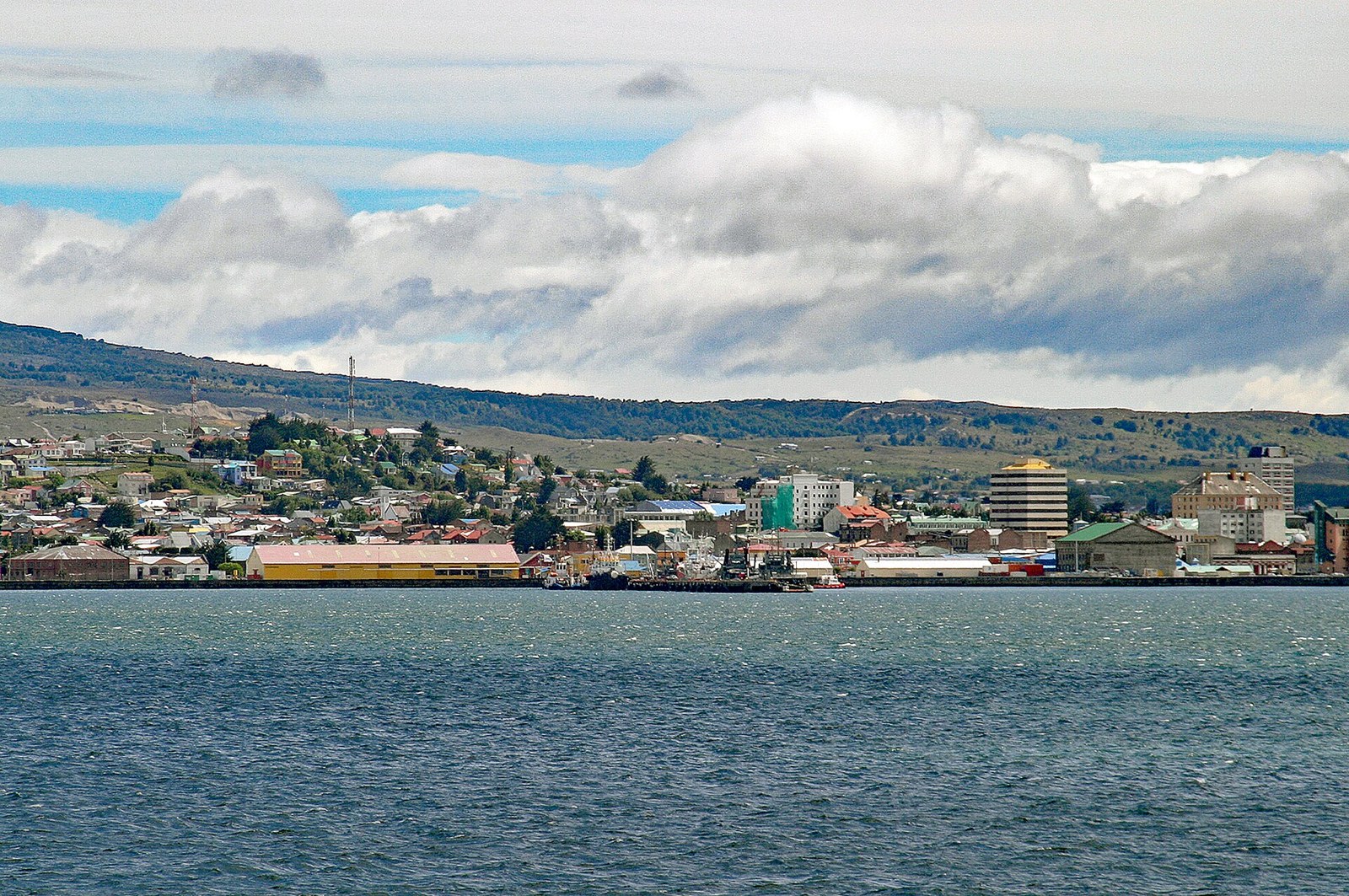
A business delegation from the Falklands meets Chilean suppliers in Punta Arenas this month. The visit comes as Chile backs Argentina’s claim to the islands.
A trade mission with political weight
About 25 business people from the Falkland Islands are due in Punta Arenas, Chile, around September 26. The business round with Chilean suppliers runs on September 28 and 29.
The delegation includes Lou Ellis, deputy managing director of the Falkland Islands Development Corporation. Liam Short and Mike Summers of the Falkland Islands Chamber of Commerce are also part of the trip.
The Punta Arenas municipality is hosting the event. Mayor Claudio Radonich is a main promoter of the route.
Why Chile? A second maritime link
The goal is to establish a second commercial maritime connection between Chile and the Falklands. Montevideo is currently the islands’ only South American sea link.
Chilean shipping company Easter Island Naviera is driving the project. The first ship voyage is expected in November 2026.
This route would carry cargo and strengthen business contacts between Punta Arenas and the islands.
Argentina’s claim over the Falklands
Argentina has long claimed the Falkland Islands, which it calls the Malvinas. The islands are a British Overseas Territory, but Argentina says they are part of its territory.
Chile supports Argentina’s sovereignty claim. President Jose Antonio Kast restated that backing at a summit in Santiago on September 3.
Kast urged Argentina and Britain to resume negotiations over the islands. That makes a Chilean trade link to the Falklands politically sensitive.
The Strait of Magellan dispute
Tension began when Brigadier General Gustavo Javier Valverde, chief of the Argentine Air Force General Staff, spoke on a streaming programme. He called the Strait of Magellan, the far south, and the Drake Passage a ‘bioceanic key’.
He said Argentina must ‘maintain a presence’ there, which Chile saw as a challenge. Chile has sovereignty over the entire strait under treaties from 1881 and 1984.
Argentina’s foreign ministry, led by Pablo Quirno, later clarified its position. It said the treaties ‘are fully in force’ and are ‘considered definitive by the Argentine Republic’.
Argentina steps back
After the uproar, Argentina moved to calm things down. The foreign ministry issued a statement reaffirming its position based on the 1881 and 1984 treaties.
Foreign Minister Pablo Quirno’s statement said those agreements ‘are fully in force’. Regional media read it as an attempt to defuse friction with Chile.
Chile’s response
Chile’s president, Jose Antonio Kast, welcomed Argentina’s reaffirmation. The issue was discussed at a meeting in Santiago on September 3.
Chile’s foreign minister, Francisco Perez Mackenna, spoke on September 4. He called the link ‘a project between private parties that must comply with existing regulations.’
That statement shows Chile’s careful balancing act. It supports Argentina’s claim but allows private trade with the islands.
What the delegation hopes to achieve
The business round in Punta Arenas is part of a broader effort to boost trade between the Falklands and Chile. Local suppliers could gain new customers in the islands.
For the Falklands, a reliable shipping route to Chile would provide faster access to South American markets. It could also support the islands’ fishing and tourism industries.
The contract and its details
Easter Island Naviera and the Falkland Islands Development Corporation signed a contract made official on September 2. It is a commercial deal between a private carrier and the development body, not an agreement between governments.
The contract makes the route official, but sailing schedules and volumes are not yet set. The first voyage is planned for November 2026, subject to demand and approvals.
Argentina’s objection
Argentina’s government responded within a day of the contract. It referred to ‘unilateral illegal logistics activities’ in the disputed zone.
President Javier Milei was in Santiago on September 3 for a summit and met Kast. That evening, he addressed the nation on the Malvinas, announcing measures to discourage resource exploitation around the islands.
The economic stakes for Magallanes
Mayor Claudio Radonich says the Magallanes region has lost about US$300 million since 2011. That was when Mercosur banned Falkland-flagged vessels from its ports.
Radonich’s figure is an estimate of past losses, not a forecast of future gains. He argues the new route could help recover some of that lost trade.
Potential obstacles to the route
The route faces practical challenges, including weather and distance. The southern seas can be rough, which may affect shipping schedules.
Argentina’s government has objected to the route, and its legal framework requires permission for vessels sailing between Argentine ports and the Falklands. That could complicate operations.
What happens next
The business round in Punta Arenas will take place on September 28 and 29. After that, the shipping company will decide on the route’s feasibility.
If all goes well, the first voyage could happen in November 2026. But this depends on demand and on resolving any political issues.
Who is who in the dispute
Jose Antonio Kast is Chile’s president, in office since March 2026. He met Argentina’s Javier Milei in Santiago on September 3.
Pablo Quirno is Argentina’s foreign minister. His ministry issued the statement that calmed the Magellan row.
Brigadier General Gustavo Javier Valverde is chief of the Argentine Air Force General Staff. His remarks on a streaming show started the tension.
What the treaties actually say
The 1881 treaty set the border and gave Chile the whole Strait of Magellan. The 1984 treaty confirmed that and guaranteed free navigation.
Argentina says both are fully in force and definitive. That is why Valverde’s ‘presence’ remark caused such a stir.
The legal hurdle for ships
Argentina’s Decree 256 from 2010 requires prior permission for vessels sailing between Argentine ports and the Falklands. This could complicate the new route.
Chile is not a full Mercosur member, so the 2011 ban on Falkland-flagged ships does not apply to its ports. That is why Punta Arenas can host the link.
Voices of caution in Chile
Julio Leiva, a former commander-in-chief of the Chilean Navy, has publicly questioned the initiative. He said there will be a problem, according to regional media.
His worry shows the route is not universally welcomed in Chile. The government’s careful wording reflects that sensitivity.
More: Chile news in English, every day from The Rio Times.
Frequently Asked Questions
Who is in the Falklands delegation to Chile?
The delegation has about 25 members, including Lou Ellis of the Falkland Islands Development Corporation. Liam Short and Mike Summers of the Chamber of Commerce are also part of the trip.
Why is the Falklands delegation visiting Chile?
They are coming to Punta Arenas for a business round with Chilean suppliers. The goal is to establish a second maritime shipping route between Chile and the Falklands.
What is the Strait of Magellan dispute about?
Argentina’s air force chief called the strait and surrounding areas a ‘bioceanic key’ and a sovereignty issue. Chile responded that it has sovereignty over the strait under treaties from 1881 and 1984.
How did Argentina react to the delegation?
Argentina’s government objected to what it called ‘unilateral illegal logistics activities’. President Milei met Chile’s president in Santiago and addressed the nation on the Malvinas that evening.
When will the shipping route start?
The first ship voyage is expected in November 2026. The business round in Punta Arenas is scheduled for September 28-29.
Connected Coverage
We have also reported on Argentina Moves to Sanction 45 Names Over Falklands Oil Work, and on Sea Lion Loses the Three Biggest Oil Service Firms at Once.
This article was produced by The Rio Times’ automated newsroom system. How we use AI · Report an error · Editorial responsibility: Matthias Camenzind, Editor-in-Chief
In depth