Argentina Moves to Sanction 45 Names Over Falklands Oil Work
ARGENTINA · POLITICS
Key Facts
- —What happened Argentina opened a sanctions process against 45 companies and executives working on oil near the Falklands.
- —The legal basis A 2011 law penalises unauthorised drilling on the Argentine continental shelf with up to fifteen years in prison.
- —Who is named Navitas Petroleum, Rockhopper Exploration, JHI Associates, Noble Corporation and Fugro are among the targets.
- —The catch Sanctions are announced against foreign firms that mostly hold no Argentine assets, so the practical bite is limited.
- —Who backed it The G6, Argentina’s main business association, publicly supported the sovereignty claim a day later.
- —What comes next The government wants Congress to fast-track related bills once they reach the floor.
The list is the longest Argentina has produced. What is new is not the law, which is fifteen years old, but the willingness to use it at scale.
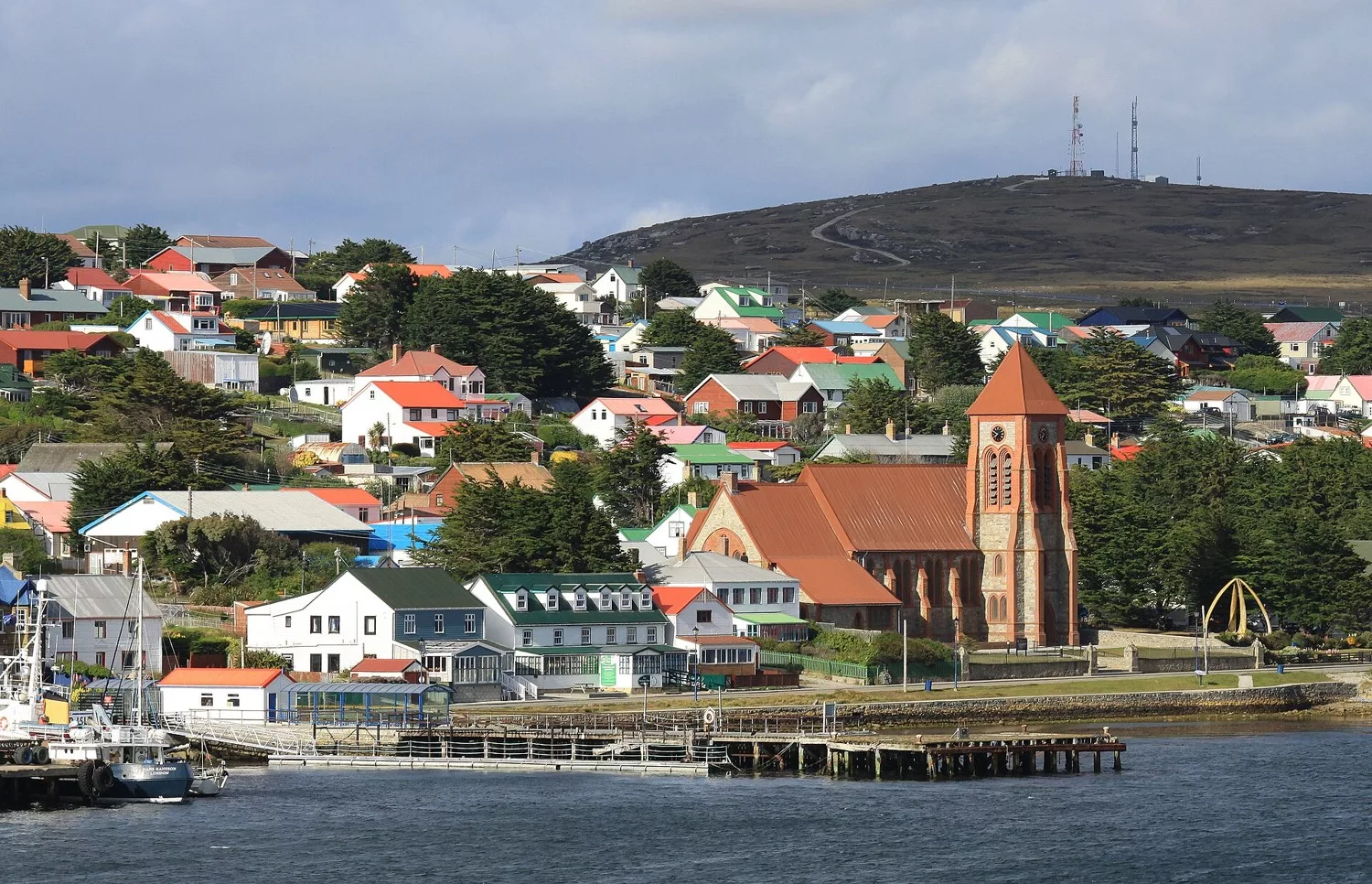
Argentina has opened a sanctions process against 45 companies and executives. All are accused of taking part in Falklands oil work that Buenos Aires says is unauthorised.
The move was taken on Friday, 4 September, and reported over the weekend. It is the widest list Argentina has produced on the issue.
The targets are spread across eight countries. They include the United Kingdom, Israel, Canada, the United States, Sweden, Kazakhstan, South Africa and Denmark.
For foreign readers, the shorthand matters. Argentina calls the islands the Malvinas and treats the surrounding seabed as its continental shelf.
The Law Behind It
The instrument is Law 26.659, passed in 2011. It penalises exploring or producing hydrocarbons on the Argentine continental shelf without an Argentine permit.
It also reaches those who give direct or indirect support to such work. Penalties run up to fifteen years in prison.
President Javier Milei issued a decree to speed up how the law is applied. That is what made a list of this size possible.
The law is not new and neither is its use. Rockhopper was first sanctioned in 2013, and Navitas in 2022.
Who Is on the Falklands Oil List
Navitas Petroleum appears twice, through its development arm and its Atlantic subsidiary. The Israeli company is a partner in the Sea Lion project north of the islands.
Rockhopper Exploration of the United Kingdom is named again. So are subsidiaries of Borders and Southern.
Two Canadian entities appear, JHI Associates and JHI Falkland. The American driller Noble Corporation and the Dutch survey group Fugro complete the better-known names.
The official communication does not split companies from individuals. Reporting the figure as 45 companies would therefore overstate it.
Why the Oil Services Firms Matter More
Three of the largest oilfield service companies in the world stepped back from the project this week. Halliburton, Baker Hughes and SLB all declined the work.
That is the part with real commercial weight. A sanctions listing is a legal problem, but losing the contractors is an operational one.
Argentine reporting says three companies tied to the Vaca Muerta shale patch also declined to operate near the islands. Those firms have Argentine assets to protect.
The Mercado Libre Question
Argentine outlets have asked whether the country’s most valuable company could be caught by the same law. The story concerns Mercado Libre.
The reported link is not commercial and not contractual. It rests on shared institutional shareholders.
Two Israeli fund managers hold stakes in Navitas Petroleum and also own shares in Mercado Libre. Their combined holding in the e-commerce group was worth about US$28 million in March.
Mercado Libre has not been sanctioned and has not been named by the government. No process against it has been opened, and the company has not commented.
The Business Reaction
Argentina’s G6, the umbrella group for the country’s main business chambers, backed the sovereignty claim on Saturday. It said so publicly and without qualification.
That is less obvious than it looks. Several G6 members do business with the same multinationals now on the list.
Sovereignty over the islands is one of the few issues that unites Argentine politics. Business groups rarely break from it.
What the Falklands Oil Listing Actually Changes
Most of the sanctioned firms hold no assets in Argentina. A listing therefore blocks something they were not doing anyway.
The effect is reputational and financial rather than physical. Banks and insurers read sanctions lists even when governments cannot enforce them.
The measure also raises the cost of hiring anyone who wants Argentine work later. That is the lever with the longest reach.
What to Watch
The first marker is Congress. The government wants Falklands bills fast-tracked once they arrive on the floor.
The second is whether any listed firm actually leaves the Falklands oil project. Rockhopper has been sanctioned since 2013 and is still there.
The third is whether the list grows. A process opened against 45 names can be widened more easily than it was started.
More: Argentina news in English, every day from The Rio Times.
Frequently Asked Questions
How many names are on Argentina’s Falklands oil sanctions list?
The government opened a process against 45 subjects on 4 September 2026. These are companies and individuals combined, and the official communication does not break out the split.
What law is Argentina using?
Law 26.659, passed in 2011, penalises unauthorised hydrocarbon exploration or production on the Argentine continental shelf, and those who support it, with up to fifteen years in prison.
Is Mercado Libre sanctioned?
No. Reports describe only shared institutional shareholders between Mercado Libre and Navitas Petroleum. Mercado Libre has not been named by the government and no process against it has been opened.
Sources: Infobae, La Nación, Perfil, El Cronista, Ámbito, Realpolitik, Reuters, Rio Times.
This article was produced by The Rio Times’ automated newsroom system. How we use AI · Report an error · Editorial responsibility: Matthias Camenzind, Editor-in-Chief