Armed Gangs Strip Metal From Chile’s Copper Train Wagons
CHILE · MINING
Key Facts
- —What happened Organised gangs are attacking copper trains crossing the desert in northern Chile and stealing metal in transit.
- —How they do it Attackers jump from moving trucks onto wagons and throw copper slabs of about 80 kilograms to accomplices.
- —The escalation Security analysts describe the groups as quasi-paramilitary, carrying firearms and wearing body armour.
- —The catch The trains run through empty desert, so a response can be an hour away even when an alarm is raised.
- —Who it affects Chile is the world’s largest copper producer, and rail is how the metal reaches the Pacific ports.
- —What comes next Miners are weighing convoy escorts and route changes, both of which raise the cost of every tonne shipped.
The thieves do not stop the train. They jump onto it, push the metal off, and let the desert do the rest.
Organised gangs in northern Chile are stealing metal from moving copper train wagons. Reuters reported the pattern on 2 September.
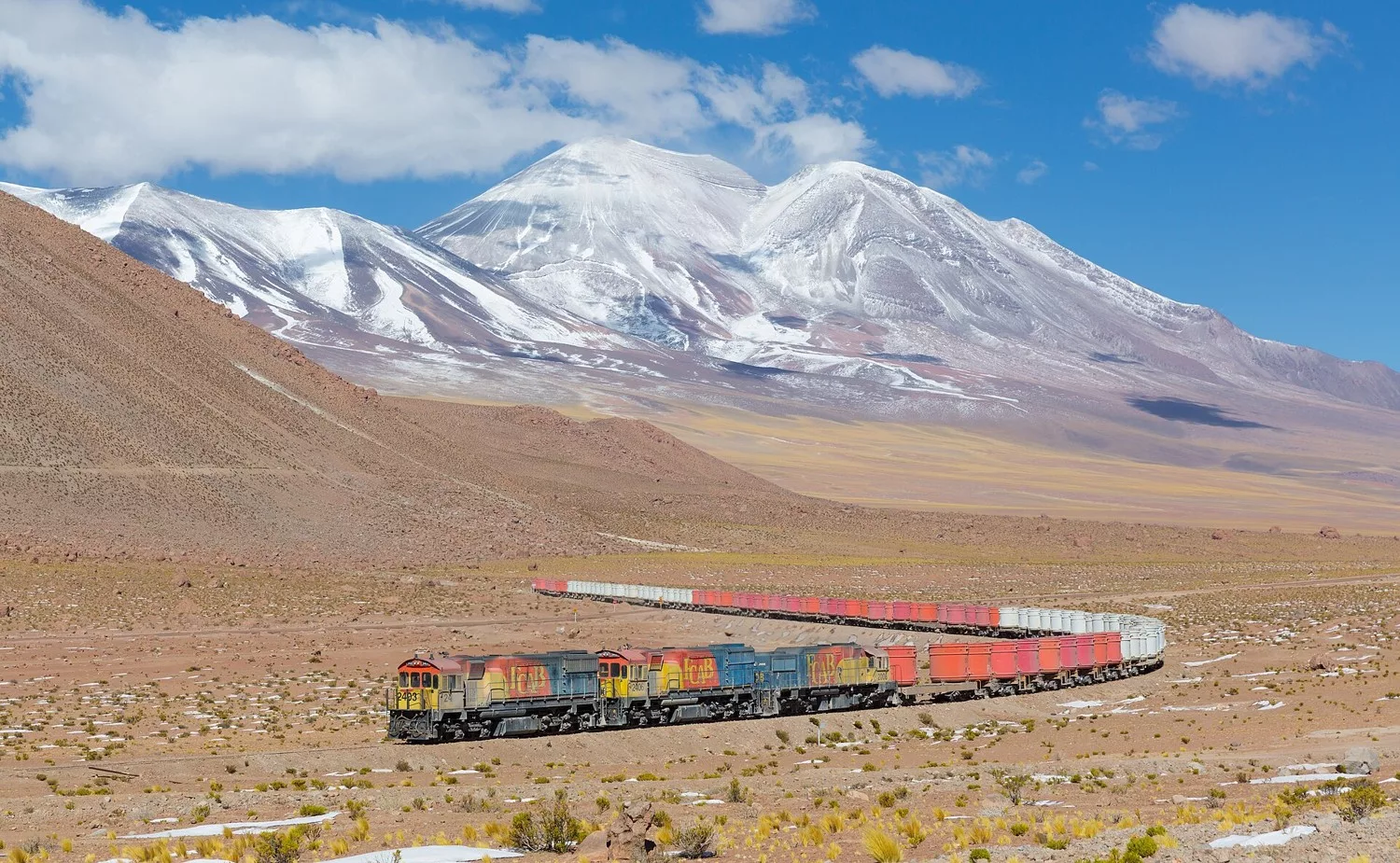
The attacks happen on isolated stretches of desert line. A copper train can run for an hour without passing anything.
The method is physical and direct. Attackers drive alongside, jump from a truck onto a wagon, and shove the metal off.
Each slab weighs roughly 80 kilograms. Accomplices collect them from the trackside once the train has passed.
How the Theft Works
Some crews use hook lines instead of climbing. They snag a stack of copper and drag it off a slow-moving wagon.
Both methods depend on speed. A train slowing for a grade is the easiest target on the route.
The stolen metal does not stay in Chile. It moves into scrap channels and leaves through informal export routes.
Copper in slab form is anonymous once cut. That is what makes it worth the risk.
Why Analysts Use the Word Paramilitary
Security analysts quoted by Reuters describe the groups as quasi-paramilitary. The term is about equipment and organisation, not politics.
The crews carry firearms and wear bulletproof vests. They work in coordinated teams with vehicles and lookouts.
That is a long way from opportunistic theft. It implies planning, financing and a buyer waiting at the other end.
It also changes the risk calculation for rail staff. A driver who stops is now facing armed men rather than scavengers.
Why the Desert Is the Problem
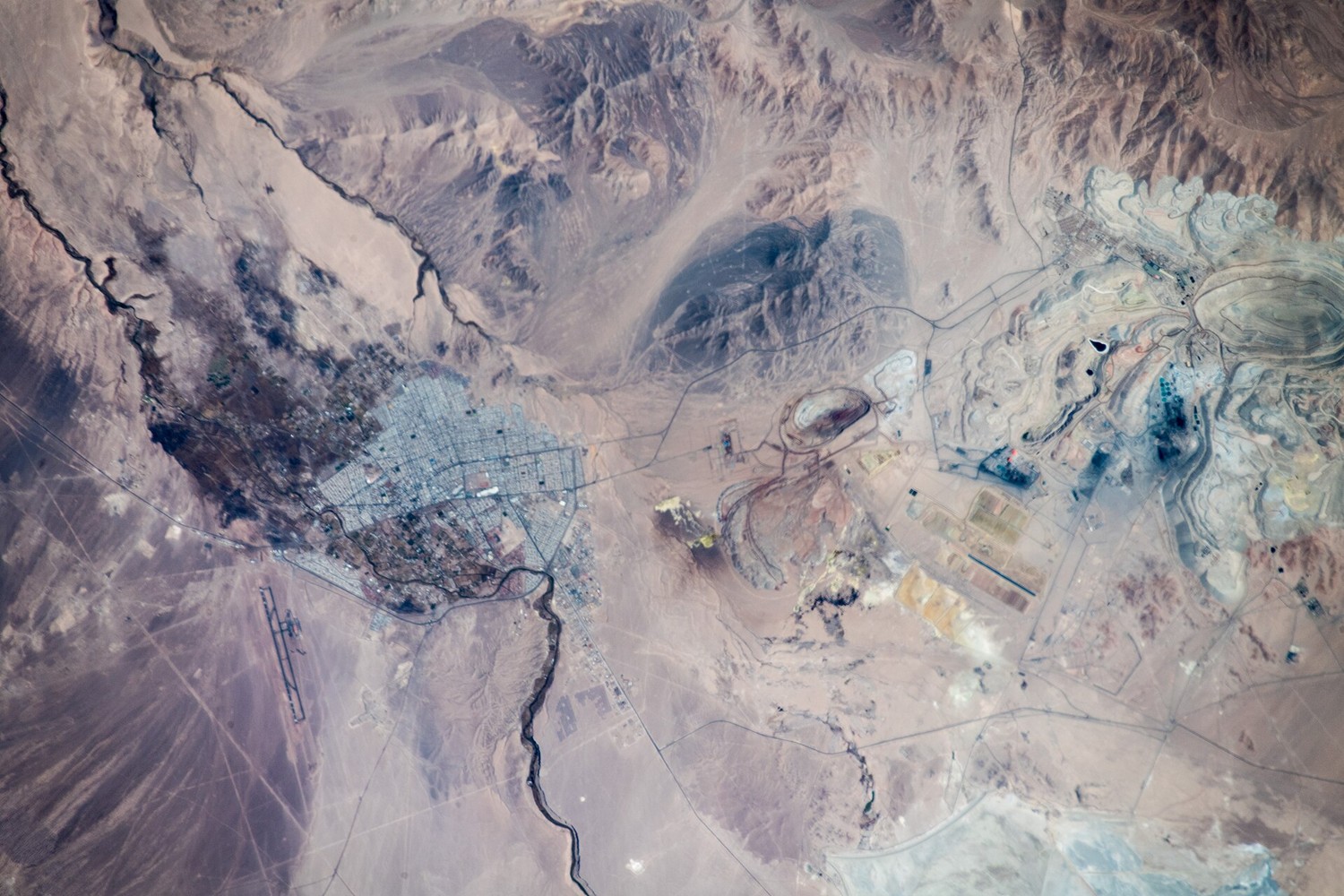
Northern Chile’s mining railways cross some of the emptiest land on earth. The Atacama has stretches with no settlement for a hundred kilometres.
That emptiness is why the lines are economic. It is also why policing them is close to impossible.
A response unit can be an hour away even when an alarm goes out immediately. By then the metal is gone and so are the trucks.
Why the Railways Exist at All
Chile moves most of its mined copper to port by rail. Roads across the Atacama are long, slow and hard on vehicles.
The lines run from the mining districts inland to the Pacific terminals. Antofagasta, Mejillones and Iquique take the bulk of it.
A single copper train can carry several hundred tonnes. Losing a few slabs per run is survivable, and losing a wagon is not.
What It Costs
Neither the mining companies nor the police have published a total value for the losses. That silence is itself a signal.
Insurers price cargo risk on route, not on national averages. A line with a theft history costs more to cover permanently.
The countermeasures are expensive too. Convoy escorts, drones and route changes all add cost to every tonne shipped.
Chile is the world’s largest copper producer. Anything that raises its logistics cost eventually reaches the copper price.
The Wider Pattern
Metal theft in Latin America has moved from opportunistic to organised over the past five years. Peru and Mexico have seen the same shift on their own freight routes.
The driver is price. Copper has traded at historically strong levels, and high prices pull in serious criminal capital.
Chile has also seen a broader change in its crime profile since 2020. Groups with regional reach now operate where local gangs once did.
What to Watch on the Guatemala Bodies Count
The first marker is whether the mining companies publish a loss figure. Silence usually means the number is embarrassing.
The second is whether escorts become standard. Once a route needs armed accompaniment, the cost does not come back down.
The third is arrests. Crews this well equipped are financed by someone, and no financier has yet been named.
More: Chile news in English, every day from The Rio Times.
Frequently Asked Questions
How are gangs stealing copper from trains in Chile?
They drive alongside moving trains on isolated desert stretches, jump from trucks onto the wagons, and throw copper slabs of roughly 80 kilograms to accomplices waiting below. Some crews use hook lines to drag stacks off instead.
Why do analysts call them paramilitary?
Security analysts quoted by Reuters use the term because the crews carry firearms, wear body armour and work in coordinated teams with vehicles and lookouts. It describes their equipment and organisation, not any political aim.
How much has been stolen?
Neither the mining companies nor the police have published a total value for the losses.
Sources: Reuters, La Nación, El Mercurio, La Tercera, Rio Times.
This article was produced by The Rio Times’ automated newsroom system. How we use AI · Report an error · Editorial responsibility: Matthias Camenzind, Editor-in-Chief
In depth
Copper in Latin America
- Copper in Latin America 2026: Mines, Prices and Politics
- Chile’s State Copper Giant Codelco Explained
- Peru Copper Mining Explained: Output, Big Mines, Exports and Risks in 2026
- Peru Natural Resources Explained 2026