Chile Audit of the Boric Years Ends With 1,529 Findings
CHILE · GOVERNMENT
Key Facts
- —What ended A six-month audit of the outgoing Boric administration concluded on Tuesday 8 September 2026.
- —The scale More than 500 public services were reviewed through 360 audit programmes and over a thousand internal auditors.
- —The count The audit produced 1,529 findings covering the 2022 to 2026 period.
- —The catch The four bodies referred to prosecutors are agencies and undersecretariats, not four full ministries.
- —Who goes where Fifty-seven services drew disciplinary recommendations, 53 were told to open investigations.
- —Who ran it A strategic audit committee with the government’s internal audit council, led by Segpres undersecretary Constanza Castillo.
The Chile audit ran for six months across more than 500 public services. Four bodies now go to prosecutors, and none of them is a full ministry.
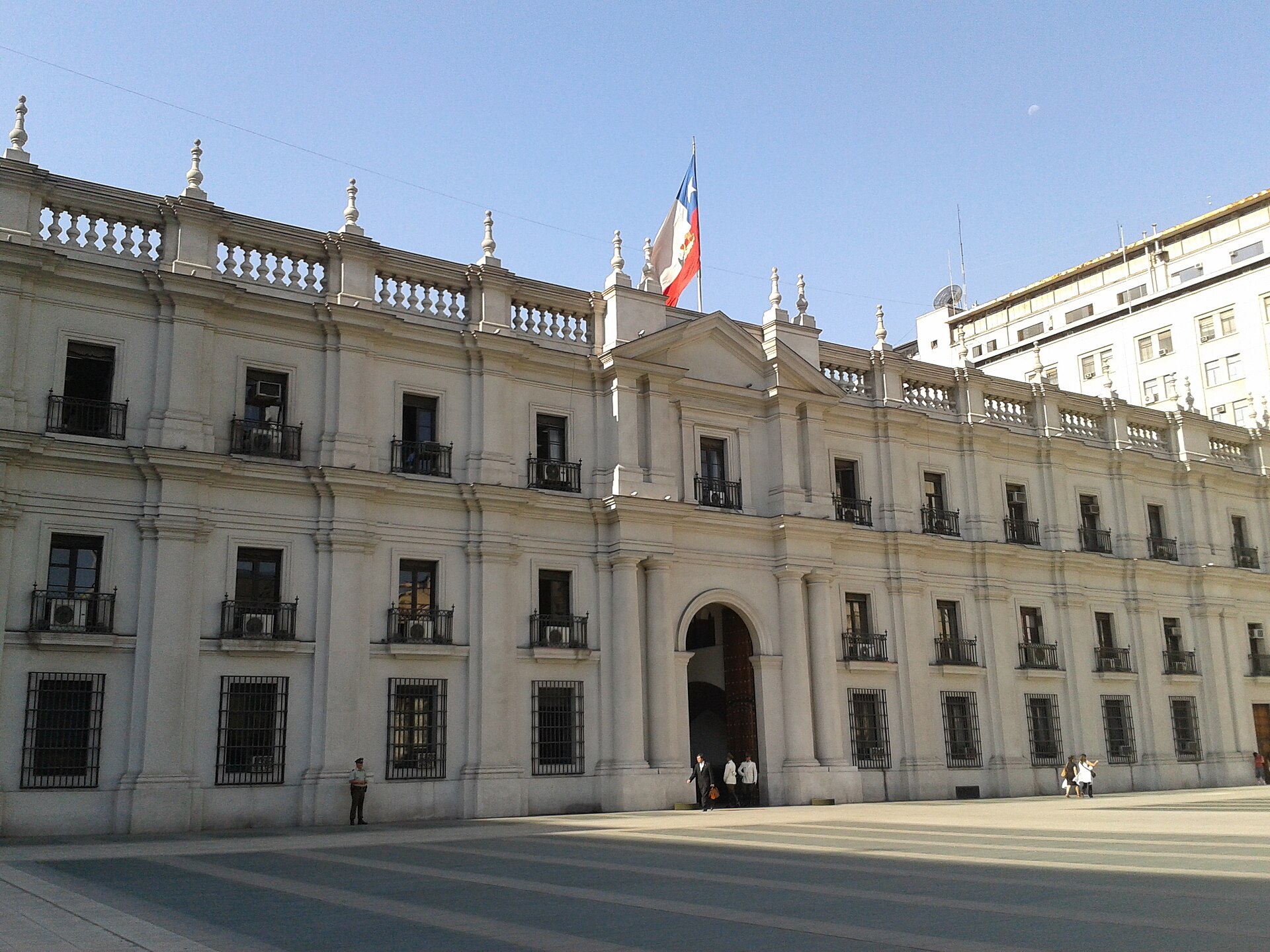
Chile’s incoming government has finished auditing the one it replaced. The Chile audit closed on Tuesday after six months.
It began on 11 March 2026, the day Jose Antonio Kast took office. The final session was held on 8 September.
More than 500 public services were reviewed, covering the 2022 to 2026 period under Gabriel Boric. The work ran through 360 audit programmes and over a thousand internal auditors.
The result is 1,529 findings. What happens to them varies considerably.
What the Chile Audit Actually Recommends
Of the findings, 118 recommend administrative proceedings. Those are spread across 57 services.
A further 53 services were instructed to open their own investigations. That is an internal step rather than a referral.
Seven cases went to the Comptroller General, Chile’s public accounts watchdog. Five went to the State Defence Council, which litigates on the state’s behalf.
Four went to the public prosecutor. That is the criminal track and the smallest category.
The Four Referred to Prosecutors
They are the Undersecretariat for Women, the Labour Directorate, the Undersecretariat for Sports and Junaeb, the school aid and scholarships board.
None of these is a full ministry. Coverage describing four ministries referred to prosecutors overstates what happened.
Two sit inside ministries as undersecretariats, and two are agencies with their own budgets. The distinction matters for who would answer for any wrongdoing.
The national research agency ANID went to the State Defence Council instead. That is a civil recovery route rather than a criminal one.
Who Conducted It
The work was run by a strategic audit and oversight committee alongside the government’s internal audit council. Segpres undersecretary Constanza Castillo of Renovacion Nacional led it.
Internal audit councils exist in most Chilean administrations. What is unusual is the scale and the political framing of this one.
A new government auditing its predecessor is legitimate and also inherently political. The findings will be read through that lens whatever they contain.
How to Read the Numbers
Fifteen hundred findings across five hundred services is not itself remarkable. Routine audits generate findings at that rate.
The meaningful figure is four. Four criminal referrals out of more than five hundred bodies is a low conversion rate.
That cuts both ways politically. It is either evidence of restraint or evidence that the exercise found less than it hoped.
The final report now goes to Kast. What he does with it is the next decision.
What to Watch
The first marker is whether prosecutors open cases on the four referrals. A referral is not a charge.
The second is the Comptroller General. Its seven cases carry administrative consequences that arrive faster than criminal ones.
The third is publication. Whether the full report is released, and in what form, will determine how much of this survives contact with scrutiny.
More: Chile news in English, every day from The Rio Times.
Frequently Asked Questions
What did the audit find?
A total of 1,529 findings across more than 500 public services for the 2022 to 2026 period. Of these, 118 findings across 57 services recommend administrative proceedings, and 53 services were told to open their own investigations.
Which bodies go to prosecutors?
Four: the Undersecretariat for Women, the Labour Directorate, the Undersecretariat for Sports and Junaeb. None is a full ministry, contrary to some coverage. The research agency ANID went to the State Defence Council instead.
Who ran the audit?
A strategic audit and oversight committee working with the government’s internal audit council, led by Segpres undersecretary Constanza Castillo. It ran from 11 March to 8 September 2026.
Sources: La Tercera, The Clinic, Consejo de Auditoria Interna General del Gobierno, Rio Times.
This article was produced by The Rio Times’ automated newsroom system. How we use AI · Report an error
Read More from The Rio Times