Chevron Boosts Venezuela Oil to 280,000 Barrels Daily
Energy: Venezuela
Key Facts
—Output. Chevron told investors its Venezuelan joint ventures reached about 280,000 barrels per day in the first half of 2026, roughly 15% higher than the prior six months.
—License. The production runs under US Treasury licenses; in February 2026 Washington also cleared BP, Eni, Repsol and Shell to re-engage with Venezuela’s oil sector.
—Politics. On 3 August 2026, US President Donald Trump publicly credited his administration for Chevron’s return, saying the company was “back, far bigger and stronger than ever before.”
—Context. Nicolás Maduro was captured by the United States in January 2026; acting president Delcy Rodríguez now leads the government, and much oil revenue is held under US Treasury supervision.
—Stakes. Oil funds an estimated 50–60% of Venezuela’s budget, so rising output reshapes the country’s finances and its standing among regional producers.
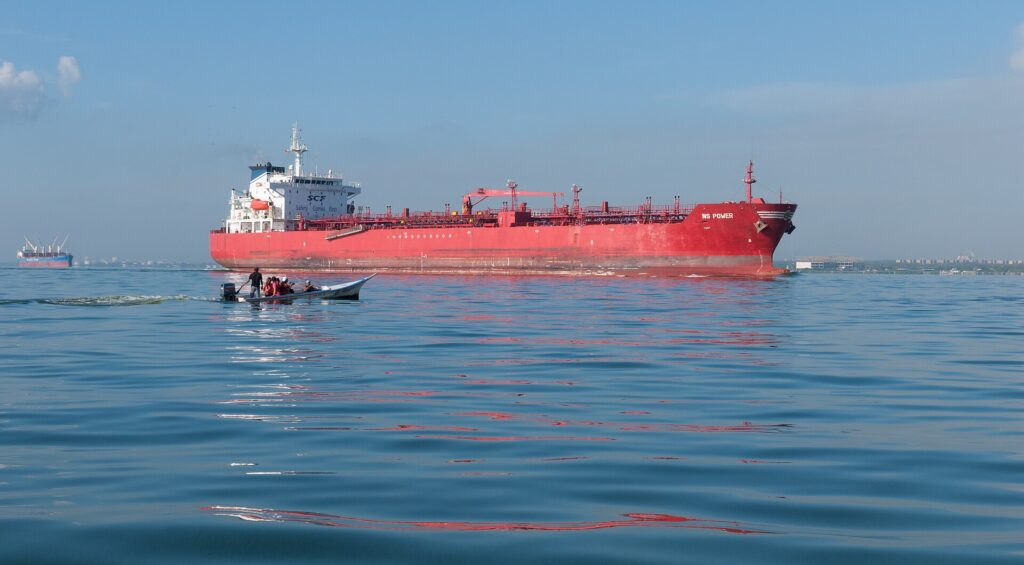
Chevron has lifted output from its Venezuelan joint ventures to about 280,000 barrels a day under a US license, and with BP, Eni, Shell and Repsol now cleared to follow, the reopening is reshaping Venezuela’s finances and its place among the region’s oil producers.
What Chevron Reported
Chevron told analysts during its second-quarter 2026 results that gross production from its joint ventures with Venezuela’s state company PDVSA had reached roughly 280,000 barrels per day, up about 15% from the previous six months. The figure covers Chevron’s share plus its partners’ in the ventures it helps operate.
That places Chevron’s network at close to a third of Venezuela’s national output, which industry estimates put near 900,000 barrels per day. Chevron’s chief financial officer, Eimear Bonner, told investors the company sees room to raise its Venezuelan volumes by as much as 50% by the end of 2028, conditions permitting.
The company has also deepened its position on the ground. Under an asset swap agreed earlier in 2026, Chevron increased its stake in the Petroindependencia joint venture, consolidating around the heavy-oil assets it considers most strategic.
The License That Makes It Possible
Chevron’s Venezuelan operations rest entirely on authorizations from the US Treasury’s Office of Foreign Assets Control. Those licenses can be widened, narrowed or revoked as US foreign policy shifts, which makes the business unusually sensitive to political decisions in Washington.
In February 2026, the Treasury broadened the opening beyond Chevron, issuing general licenses that allowed BP, Eni, Repsol and Shell to transact in Venezuela’s oil and gas sector. Repsol has since signaled it could raise its Venezuelan output by half within a year, and Shell has signed preliminary agreements.
For the majors, the appeal is access to some of the world’s largest crude reserves at low cost. The risk is that a licensing regime built on executive discretion offers little long-term certainty, a tension several companies have flagged publicly.
Washington’s Role and Trump’s August Remarks
The reopening has become a political talking point in the United States. On 3 August 2026, President Donald Trump publicly credited his administration for Chevron’s revival in Venezuela, saying the company had been “thrown out” but was “now back, far bigger and stronger than ever before,” and predicting it would “make a fortune.”
The comments, reported by Bloomberg and others, came as Trump criticized Chevron’s chief executive, Mike Wirth, for not acknowledging the administration’s support in a television interview. The exchange underscored how closely the corporate story is now tied to US policy.
The political framing sits atop a hard fiscal fact: since January 2026, proceeds from US-supervised sales of Venezuelan oil have been reported in the billions of dollars, with a large share held in US Treasury accounts rather than flowing directly to Caracas.
A Transformed Political Backdrop
The commercial ramp-up is unfolding against an extraordinary political change. In January 2026, the United States captured Nicolás Maduro, and his vice president, Delcy Rodríguez, became acting president, heading a government still staffed by many of his former allies.
Rodríguez’s administration has overhauled the oil sector, scrapping a rule that required PDVSA to hold majority stakes in joint ventures and appointing a new oil minister. The changes are designed to draw private capital into an industry hollowed out by years of underinvestment and sanctions.
How much of the resulting revenue reaches the Venezuelan treasury, and how much is controlled or conditioned by Washington, is contested and evolving. The picture is neither a simple windfall for the government in Caracas nor a straightforward US takeover, and observers across the political spectrum read it differently.
What It Means for Regional Producers
A recovering Venezuela changes the arithmetic for its neighbors. Additional barrels from the country’s heavy-oil belt add to global supply and to the pool of Latin American crude competing for buyers, particularly on the US Gulf Coast.
For Colombia, which has struggled to reverse declining reserves, and for Guyana, whose output has surged past 900,000 barrels per day, a resurgent Venezuela is a shift in relative standing rather than a direct threat. Each country’s oil sells into different markets and grades, so the effect is gradual rather than immediate.
The broader signal is that the map of Latin American energy is being redrawn quickly. A few years ago Venezuela was largely walled off from Western majors; today Chevron, BP, Eni, Shell and Repsol are all maneuvering for position, and the pace of change now depends as much on Washington as on Caracas.
What to Watch Next
The near-term questions are practical. Can Chevron and its partners sustain the output gains without heavy fresh investment in aging fields, and will Venezuela’s power grid and infrastructure support higher volumes?
The larger questions are political. US licenses remain revocable, the status of the post-Maduro government is still unsettled, and the destination of oil revenue is unresolved. Any of these could accelerate or halt the reopening with little warning.
For now, the trend line is clear: production is rising, more companies are entering, and Venezuela is re-emerging as a factor in regional and global oil markets after years on the sidelines. Whether that proves durable is the open question.
More: Venezuela news in English, every day from The Rio Times.
Frequently Asked Questions
How much oil is Chevron producing in Venezuela?
Chevron reported that its Venezuelan joint ventures with PDVSA reached about 280,000 barrels per day in the first half of 2026, roughly 15% more than the prior six months, and it has signaled ambitions to grow further by 2028.
Is Chevron’s Venezuela activity legal under US sanctions?
Yes. It operates under licenses from the US Treasury’s Office of Foreign Assets Control. In February 2026 the Treasury also cleared BP, Eni, Repsol and Shell to re-engage with Venezuela’s oil sector. The licenses can be changed or revoked.
Who governs Venezuela now?
Nicolás Maduro was captured by the United States in January 2026. Vice President Delcy Rodríguez became acting president and leads a government of many of his former allies, while a large share of oil revenue is held under US Treasury supervision.
Sources
Descifrado · S&P Global · Reuters (via Malay Mail) · Bloomberg · Semafor
Connected Coverage
The push extends a Venezuelan oil recovery that Chevron has said could grow output by half before the end of the decade.
Sources: Descifrado; S&P Global; Reuters; Bloomberg; Semafor.
This article was produced by The Rio Times’ automated newsroom system. How we use AI · Report an error
Read More from The Rio Times