
KENYA · TANZANIA
Key Facts
- What happened Charlene Ruto, the Kenyan president’s daughter, married Isaya Yunge in Mwanza, Tanzania, on Friday, 6 November 2026.
- The groom Isaya Yunge is a Tanzanian technology entrepreneur from Mwanza.
- Who walked her in President William Ruto and First Lady Rachel Ruto escorted the bride down the aisle.
- Earlier ceremony The couple held a traditional Kalenjin ceremony, the Koito, on 8 August 2026 in Narok County, Kenya.
- The setting A white wedding in Mwanza, a city on Lake Victoria.
Kenya’s Charlene Ruto weds Isaya Yunge in Mwanza, Tanzania, in a white wedding held on Friday, 6 November 2026. She is the daughter of Kenyan President William Ruto, and he and First Lady Rachel Ruto walked her down the aisle.
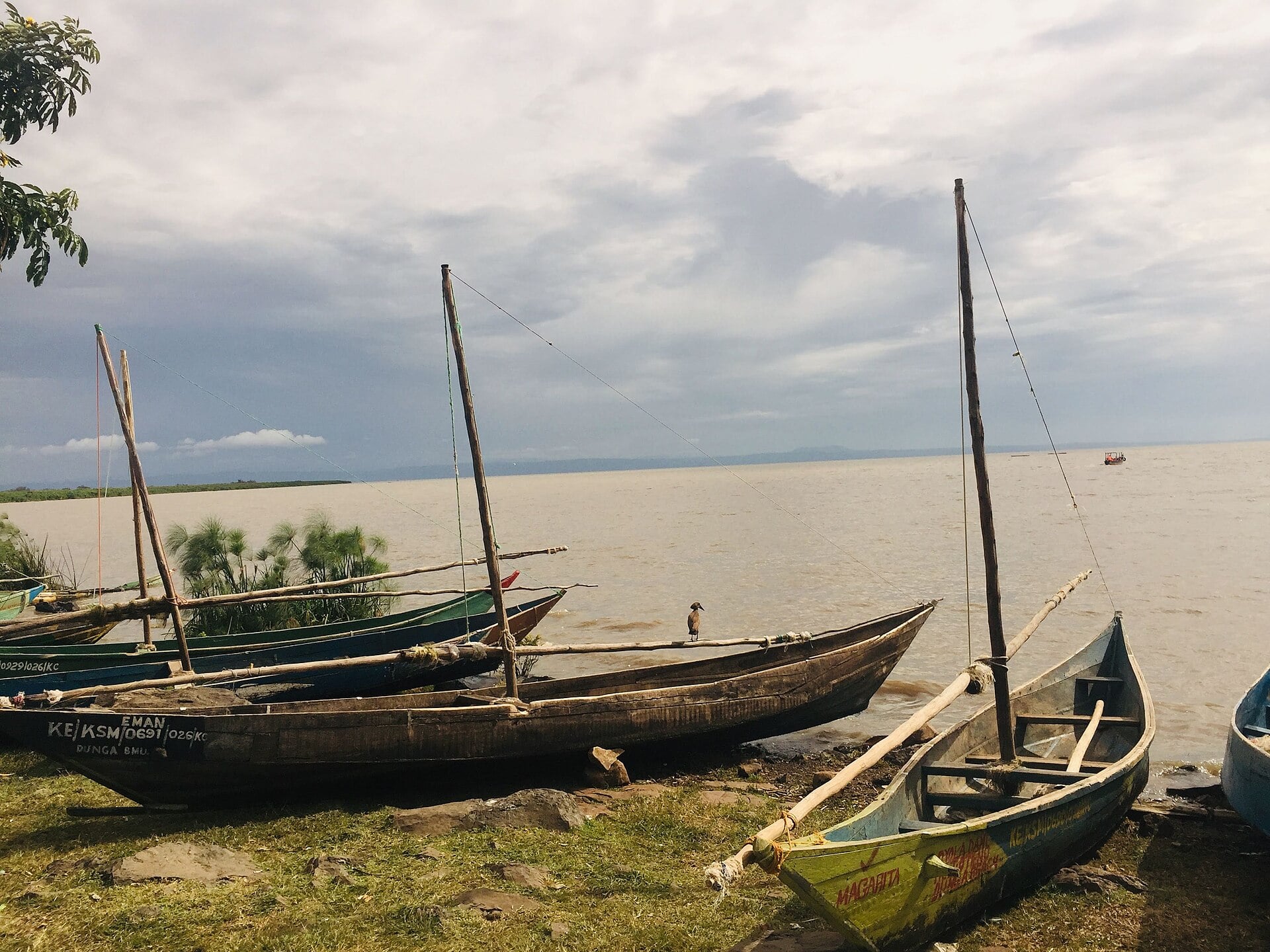
The groom, Isaya Yunge, is a Tanzanian technology entrepreneur from Mwanza. Mwanza sits on the shore of Lake Victoria, the great lake shared by Kenya, Tanzania and Uganda.
The Wedding in Mwanza
Mwanza is a port city on the southern shore of Lake Victoria in northwestern Tanzania. The ceremony was a Western-style white wedding.
President Ruto arrived in Mwanza on Thursday, 5 November, the day before the wedding. Mwanza Regional Commissioner Salum Hamduni, the Tanzanian government’s top official in the region, welcomed him.
Who Was There
Cabinet Secretary Kipchumba Murkomen, who oversees internal security, attended. Cabinet Secretaries are the heads of Kenya‘s government ministries.
Oscar Sudi, a Kenyan member of parliament for Kapseret, also attended, along with guests from Tanzania.
The Road to the Wedding
The couple first held the Koito on Saturday, 8 August 2026, at the Ruto family’s Intonna Heritage Farm in Kilgoris, Narok County. Koito is a Kalenjin engagement custom in which the two families meet, bless the couple, exchange gifts and discuss the dowry.
On Monday, 10 August, Charlene Ruto thanked her family and community for supporting her through the dowry talks. She also said she was delighted to be accepted by her Tanzanian family from Mwanza.
In Plain English, Who Is Who
Charlene Ruto is the daughter of Kenya’s president, William Ruto, and his wife Rachel, the First Lady. Isaya Yunge is the groom, a Tanzanian technology entrepreneur whose family lives in Mwanza.
The Kalenjin are a community in western Kenya, and Koito is one of their traditional engagement ceremonies. A white wedding is the Western-style church ceremony, with a gown, veil and walk down the aisle.
What It Means for You
The wedding is a family and cultural event, not a policy event, but it drew Kenyan ministers across the border to Tanzania. Kenya matters to Washington, and the United States designated it a major non-NATO ally in 2024.
For background on the president, read our reports on his rivalry with opposition leader Kalonzo Musyoka and our guide to Kenya’s history. Our explainer on the two ceremonies follows in a separate report.
What Is Not Known
Whether the families plan further celebrations is not public. The Presidency in Nairobi would announce any public event.
The full guest list from Tanzania is also not public. The Tanzanian government or the Mwanza regional office can say who attended.
More: Africa news in English, every day from The Rio Times.
Frequently Asked Questions
Who did Charlene Ruto marry?
She married Isaya Yunge, a Tanzanian technology entrepreneur from Mwanza. The wedding took place on Friday, 6 November 2026.
Where was the wedding held?
It was held in Mwanza, Tanzania, a city on the shore of Lake Victoria.
Who attended the wedding?
President William Ruto and First Lady Rachel Ruto escorted the bride, and Cabinet Secretary Kipchumba Murkomen attended. Guests from Tanzania were also present.
What was the Koito?
The Koito is a Kalenjin engagement ceremony in which two families meet, bless the couple, exchange gifts and discuss the dowry. The couple’s Koito took place on 8 August 2026 in Kilgoris, Narok County.
Sources: Public social media posts of Charlene Ruto, 6 November 2026 and 10 August 2026.
This article was produced by The Rio Times’ automated newsroom system. How we use AI · Report an error · Editorial responsibility: Matthias Camenzind, Editor-in-Chief