Burkina Faso Sees Over 200 Dengue Deaths This Year
Since January, Burkina Faso has faced a serious outbreak of dengue fever, leading to 214 deaths.
The government shared these figures last Thursday. Most of the deaths occurred in the capital, Ouagadougou, and in Bobo Dioulasso, the second-largest city.
During this period, 50,478 suspected cases were reported. Out of these, 25,502 were either confirmed or highly likely.
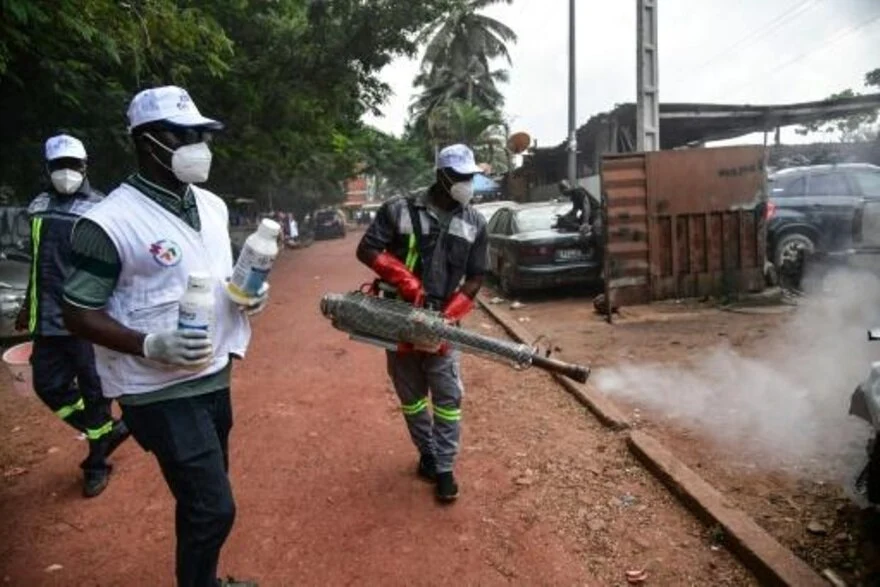
To fight the outbreak, the government has started fumigating areas where mosquitoes are common.
These efforts mainly focus on Ouagadougou and Bobo Dioulasso, the cities hit hardest by the disease.
Dengue fever is spread by mosquito bites. It is most common in warm areas and often affects cities and towns.
Dengue is not new to Burkina Faso. The country saw its first big outbreak in 2017, which resulted in 13 deaths.
The disease has been present since the 1960s. Dengue shares many symptoms with malaria, another disease spread by mosquitoes. Symptoms include high fever, headaches, and muscle pain.
According to the World Health Organization, dengue affects up to 400 million people around the world every year.
In severe cases, the disease can cause bleeding, which can lead to death. Therefore, the current outbreak is a serious concern, not only for Burkina Faso but also for global health experts.
Background
The dengue fever outbreak in Burkina Faso is part of a larger global issue. Dengue fever is prevalent in many countries, especially those with warm climates.
In Latin America, for instance, dengue fever outbreaks have been a recurring issue.
However, the death toll in Burkina Faso this year surpasses many recent outbreaks in Latin American countries.
It’s worth noting that effective control measures are more accessible in some regions than in others.
Latin American countries often have more resources for mosquito control and healthcare. So, they can manage outbreaks better.
The high death toll in Burkina Faso signals a need for improved healthcare infrastructure and preventative measures, not only in the country but in other vulnerable areas worldwide.
This article was produced by The Rio Times’ automated newsroom system. How we use AI · Report an error
Part of our ongoing coverage
Africa: The New Scramble — the great-power contest over the continent.
Read More from The Rio Times