(Editorial) Brazil is openly criticizing the United States for a significant breakdown in communication after President Donald Trump’s decision to impose a 50% tariff on all Brazilian imports, effective August 1, 2025.
U.S. officials made it clear that the justification for imposing steep tariffs lies in what they view as the Brazilian judiciary’s persecution of Trump ally Jair Bolsonaro, systematic suppression of free speech, and relentless censorship.
While Brazil has made public appeals for dialogue, the Lula administration’s tangible diplomatic initiatives remain scant, further inflaming the dispute.
President Luiz Inácio Lula da Silva’s government condemned the tariffs as severe and damaging to both countries, yet simultaneously escalated tensions by provoking the U.S.
In addition to barring Bolsonaro from political participation, the Brazilian Supreme Court has imposed a judicial gag order—blocking him from posting on social media and forbidding the indirect sharing of his content.
Additionally, Brazil allied itself with South Africa in accusing Israel of genocide at the International Court of Justice and openly considered imposing restrictions on how American companies repatriate profits from Brazil.
These steps illustrate Brazil’s willingness to provoke tensions despite claiming readiness for dialogue. Trade data highlights significant economic risks for Brazil.
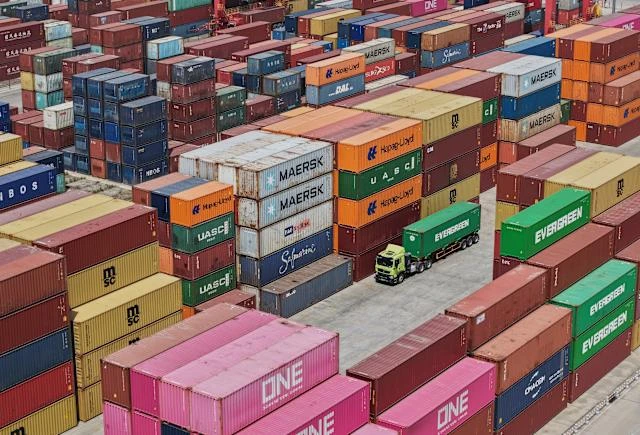
In 2024 alone, Brazil exported roughly $27.7 billion worth of goods to the U.S., including key items such as steel, coffee, aircraft, and oil.
These exports now face severe market challenges, jeopardizing the country’s economic stability and raising costs substantially for Brazilian businesses.
Instead of proposing constructive solutions, Brazil activated its Economic Reciprocity Law, enabling immediate retaliation through tariffs or restrictions.
Brazilian officials have publicly confirmed readiness to escalate further legally and economically, intensifying the potential damage.
Financial markets responded negatively, with Brazil’s currency dropping over 2% following the tariff announcement.
In just a matter of days, more than $1 billion in foreign capital poured out of Brazil—marking one of the largest short-term outflows the country has experienced in recent years.
Diplomatic observers note that Lula missed a pivotal opportunity to engage directly with Trump following the announcement—a misstep compounded by his choice to denounce the tariff warning as “unacceptable blackmail.”
Adding fuel to the fire, the Brazilian president publicly characterized the Trump administration as “enemies of democracy.”
Less name-calling and more direct negotiation from Lula himself—instead of delegating talks to lower-level officials—might have brought greater clarity and helped de-escalate tensions.
Lula Clashes with Trump as Brazil Embraces Sovereignty
Trump’s unpredictable diplomatic approach adds another layer of complexity, as he has shown little willingness to engage with Brazil at this time, responding only that he would do so later.
Meanwhile, Lula’s public statements have heightened tensions instead of easing them.
He accused Trump of seeking to act as an “emperor of the world” and threatened reciprocal tariff measures unless Trump reconsidered his stance.
Lula also urged Latin American leftist democracies to unite against what he termed U.S. “interventionist extremism.” These statements do not reflect an intent to diplomatically engage Trump.
In a ceremony in Vale do Jequitinhonha, President Lula delivered a pointed message to the Americans: Brazil controls all natural resources within its borders.
He emphasized that “nobody lays hands on our rich minerals,” saying Brazil holds its own oil, gold, fresh water, and rare minerals—and those assets belong to the Brazilian people and sovereignty.
He added that Brazil stands ready to negotiate, but on equal terms and with respect for its sovereignty.
Moreover, Lula’s broader geopolitical strategy appears intentionally designed to distance Brazil from the United States, aligning the country more closely with China and Russia.
This policy approach benefits Lula politically, fueling nationalistic sentiment and strengthening relationships with powers positioned as rivals to U.S. influence.
From an international perspective, Brazil’s current posture is contradictory: vocal frustration over the absence of dialogue contrasts starkly with policies and rhetoric that make dialogue improbable.
As this trade conflict escalates, businesses face uncertainty, increased costs, and market instability, highlighting the critical need for practical diplomatic engagement.
More: Brazil news in English, every day from The Rio Times.
Read More from The Rio Times