IBOV 182,991.13 ▼ 0.26% IPSA 11,137.59 ▼ 1.06% IPC MEX 64,737.82 ▼ 0.39% MERVAL 2,798,925 ▼ 3.28% COLCAP 2,579.33 ▼ 0.21% BVL PERÚ 60,698.35 ▼ 0.79% USD/BRL5.22▲ 0.80% USD/MXN18.01▲ 0.08% USD/CLP965.70▲ 0.43% USD/COP3,363▲ 2.28% USD/PEN3.44▲ 1.32% USD/ARS1,525▼ 0.02% USD/UYU40.39▲ 0.44% USD/PYG5,843▼ 0.46% USD/BOB11.98▼ 1.56% USD/DOP59.28▼ 0.02% USD/CRC450.38▼ 0.11% USD/GTQ7.63▼ 0.07% USD/HNL26.86▲ 0.03% USD/NIO36.62▲ 2.65% USD/VES855.74▼ 0.02% USD/PAB1.00— 0.00% USD/BZD2.00— 0.00% USD/JMD 157.28 — 0.00% USD/TTD6.72▼ 0.73% EUR/BRL5.94▲ 0.49% BRENT 88.88 ▼ 0.03% WTI 83.11 ▼ 0.11% IRON ORE 161.91 — — COPPER 6.61 ▲ 0.03% GOLD 4,461 ▲ 1.78% SILVER 65.59 ▲ 1.26% SOY 1,184 ▲ 3.20% CORN 480.50 ▲ 10.02% WHEAT 655.00 ▲ 3.93% COFFEE 317.25 ▼ 5.51% SUGAR 16.43 ▼ 1.79% ORANGE JUICE 138.55 ▼ 0.47% COTTON 85.03 ▲ 2.33% COCOA 5,719 ▲ 3.18% BEEF 223.60 ▼ 3.93% CATTLE 339.10 ▼ 3.16% LITHIUM 75.20 ▲ 1.47% PETR4 41.64 ▼ 0.05% VALE3 72.97 ▲ 0.83% ITUB4 38.60 ▼ 1.03% BBDC4 16.85 ▲ 0.36% ABEV3 14.89 ▼ 0.80% BBAS3 19.37 ▲ 0.47% B3SA3 14.26 ▼ 0.21% WEGE3 47.59 ▲ 0.49% PRIO3 59.14 ▼ 0.19% SUZB3 41.33 ▲ 2.35% RENT3 34.68 ▼ 0.09% AZZA3 15.89 ▼ 2.63% CSAN3 3.22 ▼ 1.83% RAIZ4 0.25 — 0.00% PCAR3 2.75 ▼ 0.36% GMAT3 3.65 ▼ 1.08% PSSA3 48.13 ▼ 0.54% CVCB3 1.33 ▼ 2.92% POSI3 3.36 ▲ 2.44% SLCE3 13.34 ▲ 0.30% NATU3 8.14 ▼ 0.73% IBOV 182,991.13 ▼ 0.26% IPSA 11,137.59 ▼ 1.06% IPC MEX 64,737.82 ▼ 0.39% MERVAL 2,798,925 ▼ 3.28% COLCAP 2,579.33 ▼ 0.21% BVL PERÚ 60,698.35 ▼ 0.79% USD/BRL 5.16 ▲ 0.01% USD/MXN 17.06 ▼ 0.24% USD/CLP 913.98 ▲ 0.04% USD/COP 3,140 ▲ 0.03% USD/PEN 3.36 ▼ 0.66% USD/ARS 1,493 ▲ 0.10% USD/UYU 40.27 ▲ 1.24% USD/PYG 5,939 ▲ 1.68% USD/BOB 11.64 ▼ 0.76% USD/DOP 58.34 ▲ 1.25% USD/CRC 445.92 ▲ 0.89% USD/GTQ 7.62 ▲ 2.21% USD/HNL 26.79 ▲ 1.57% USD/NIO 36.62 ▲ 0.69% USD/VES 762.44 ▼ 0.13% USD/PAB 1.00 — 0.00% USD/BZD 2.00 — 0.00% USD/JMD 157.28 — 0.00% USD/TTD 6.70 ▲ 0.61% EUR/BRL 5.95 ▲ 1.01% BRENT 88.88 ▼ 0.03% WTI 83.11 ▼ 0.11% IRON ORE 161.91 — — COPPER 6.61 ▲ 0.03% GOLD 4,461 ▲ 1.78% SILVER 65.59 ▲ 1.26% SOY 1,184 ▲ 3.20% CORN 480.50 ▲ 10.02% WHEAT 655.00 ▲ 3.93% COFFEE 317.25 ▼ 5.51% SUGAR 16.43 ▼ 1.79% ORANGE JUICE 138.55 ▼ 0.47% COTTON 85.03 ▲ 2.33% COCOA 5,719 ▲ 3.18% BEEF 223.60 ▼ 3.93% CATTLE 339.10 ▼ 3.16% LITHIUM 75.20 ▲ 1.47% PETR4 41.64 ▼ 0.05% VALE3 72.97 ▲ 0.83% ITUB4 38.60 ▼ 1.03% BBDC4 16.85 ▲ 0.36% ABEV3 14.89 ▼ 0.80% BBAS3 19.37 ▲ 0.47% B3SA3 14.26 ▼ 0.21% WEGE3 47.59 ▲ 0.49% PRIO3 59.14 ▼ 0.19% SUZB3 41.33 ▲ 2.35% RENT3 34.68 ▼ 0.09% AZZA3 15.89 ▼ 2.63% CSAN3 3.22 ▼ 1.83% RAIZ4 0.25 — 0.00% PCAR3 2.75 ▼ 0.36% GMAT3 3.65 ▼ 1.08% PSSA3 48.13 ▼ 0.54% CVCB3 1.33 ▼ 2.92% POSI3 3.36 ▲ 2.44% SLCE3 13.34 ▲ 0.30% NATU3 8.14 ▼ 0.73%
since 2009
Tuesday, September 29, 2026

Brazil’s Fight Against Usury Compared to Developed Nations

By · May 3, 2024 · 2 min read

The LatAm Brief

One email, every weekday morning. What moved in Latin American markets, politics and expat life.

Yesterday’s subject line: “Brazil votes Sunday. The courts are deciding.”

Free. We send a confirmation link first — nothing arrives until you click it. Unsubscribe with one click in any edition. If you stop opening us for 30 days we stop sending by ourselves, as we assume the interest is no longer there. See our privacy policy. We never share your email.

In March 2024, Brazil saw credit card interest rates soar to an annual peak of 421.3%, as reported by the Brazilian Central Bank.

This report highlights the ongoing challenges within Brazil’s credit industry where rates reached as high as 442.1% annually.

Amidst this volatility, the total credit market expanded to R$5.873 ($1.1) trillion, a 1.4% increase in the first quarter.

Free daily brief — no card needed
Get every Politics - Brazil story in one morning email
We build you a personalized brief around the topics you follow — free for 7 days. Love it? Your first month after that is US$1.

Credit card revolving debt, charged when the full invoice amount isn’t paid by the due date, often results in the country’s highest interest rates.

Under President Luiz Inácio Lula da Silva, the National Monetary Council set a credit card rate cap at 100% of the original debt.

This cap, effective from January, targets the excessive debt known as the ‘snowball effect,’ where interest compounds dramatically.
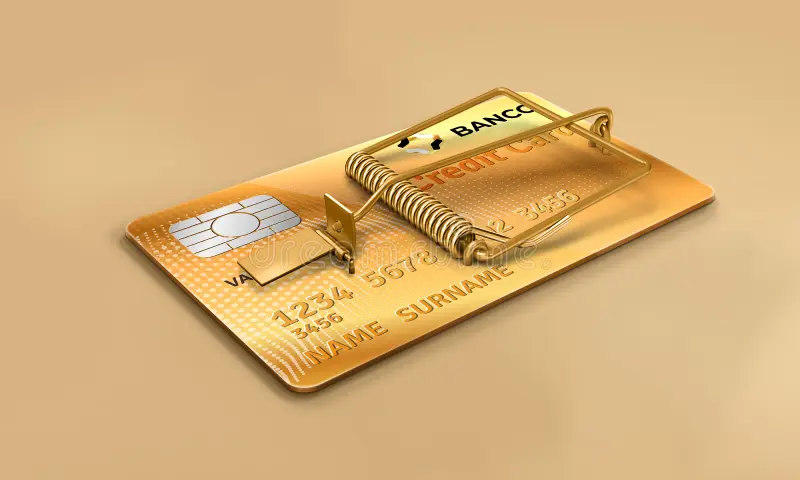
Brazil's Fight Against Usury Compared to Developed Nations.
Brazil’s Fight Against Usury Compared to Developed Nations.
One-stop reference
Company Intelligence
Every listed company in Latin America — financials, ownership and structure for 1,450+ companies across 26 exchanges, in one place.
Browse the directory →
RT
Ask Rio Times
This story and the bigger picture.
Open the full Ask Rio Times →

Under this rule, a debt of R$200 cannot grow beyond R$400, countering the prior average rate of 431%—far exceeding global norms.

Finance Minister Fernando Haddad champions this regulation as essential for correcting banking system distortions due to escalating consumer debt.

Additionally, the Central Bank introduced an indicator to monitor adherence, revealing that by March, most card fees stayed below the cap.

These fees were recorded at less than 19.10% of the original debt amounts.

Brazil’s Fight Against Usury Compared to Developed Nations

Globally, Brazil’s approach to interest rates starkly differs from more others.

For example, Canada imposes a national cap of 60% on annual interest rates, while Quebec sets a stricter limit at 35%.

Japan maintains tight controls, enforcing interest caps between 15% and 20%, penalizing rates above 20%.

In the United States, usury laws vary by state, each defining its legal interest rate ceilings.

Italy, France, and Germany have specific legal caps, usually around 10% to 15% above the average rate.

Islamic finance in the Middle East strictly prohibits the charging of interest, reflecting varied approaches to usury.

International comparisons highlight Brazil’s unique usury tolerances due to specific economic challenges.

Brazil’s market volatility and inflation require high interest rates for financial stability and risk management.

This article was produced by The Rio Times’ automated newsroom system. How we use AI · Report an error

Read More from The Rio Times

The Rio Times · Power Map
See who really holds power in Latin America
Click to open the Power Map →

Rotate for Best Experience

This report is optimized for landscape viewing. Rotate your phone for the full experience.