IBOV 187,366.84 ▲ 1.20% IPSA 11,315.26 ▼ 1.14% IPC MEX 65,010.39 ▲ 0.44% MERVAL 3,075,982 ▲ 1.36% COLCAP 2,569.47 ▲ 0.15% BVL PERÚ 59,620.96 ▲ 1.05% USD/BRL5.09▲ 0.07% USD/MXN16.91▼ 0.06% USD/CLP924.74▼ 1.05% USD/COP3,113▼ 0.43% USD/PEN3.35▼ 0.11% USD/ARS1,512▼ 0.02% USD/UYU40.22▲ 3.05% USD/PYG5,892▲ 2.04% USD/BOB12.45▲ 2.69% USD/DOP58.58▲ 2.05% USD/CRC446.50▲ 1.47% USD/GTQ7.64▲ 3.15% USD/HNL26.84▲ 3.19% USD/NIO36.62▲ 2.65% USD/VES818.05▼ 0.13% USD/PAB1.00— 0.00% USD/BZD2.00— 0.00% USD/JMD 157.28 — 0.00% USD/TTD6.71▲ 1.95% EUR/BRL5.92▼ 0.63% BRENT 88.88 ▼ 0.03% WTI 83.11 ▼ 0.11% IRON ORE 161.91 — — COPPER 6.61 ▲ 0.03% GOLD 4,461 ▲ 1.78% SILVER 65.59 ▲ 1.26% SOY 1,184 ▲ 3.20% CORN 480.50 ▲ 10.02% WHEAT 655.00 ▲ 3.93% COFFEE 317.25 ▼ 5.51% SUGAR 16.43 ▼ 1.79% ORANGE JUICE 138.55 ▼ 0.47% COTTON 85.03 ▲ 2.33% COCOA 5,719 ▲ 3.18% BEEF 223.60 ▼ 3.93% CATTLE 339.10 ▼ 3.16% LITHIUM 75.20 ▲ 1.47% PETR4 41.64 ▼ 0.05% VALE3 72.97 ▲ 0.83% ITUB4 38.60 ▼ 1.03% BBDC4 16.85 ▲ 0.36% ABEV3 14.89 ▼ 0.80% BBAS3 19.37 ▲ 0.47% B3SA3 14.26 ▼ 0.21% WEGE3 47.59 ▲ 0.49% PRIO3 59.14 ▼ 0.19% SUZB3 41.33 ▲ 2.35% RENT3 34.68 ▼ 0.09% AZZA3 15.89 ▼ 2.63% CSAN3 3.22 ▼ 1.83% RAIZ4 0.25 — 0.00% PCAR3 2.75 ▼ 0.36% GMAT3 3.65 ▼ 1.08% PSSA3 48.13 ▼ 0.54% CVCB3 1.33 ▼ 2.92% POSI3 3.36 ▲ 2.44% SLCE3 13.34 ▲ 0.30% NATU3 8.14 ▼ 0.73% IBOV 187,366.84 ▲ 1.20% IPSA 11,315.26 ▼ 1.14% IPC MEX 65,010.39 ▲ 0.44% MERVAL 3,075,982 ▲ 1.36% COLCAP 2,569.47 ▲ 0.15% BVL PERÚ 59,620.96 ▲ 1.05% USD/BRL 5.16 ▲ 0.01% USD/MXN 17.06 ▼ 0.24% USD/CLP 913.98 ▲ 0.04% USD/COP 3,140 ▲ 0.03% USD/PEN 3.36 ▼ 0.66% USD/ARS 1,493 ▲ 0.10% USD/UYU 40.27 ▲ 1.24% USD/PYG 5,939 ▲ 1.68% USD/BOB 11.64 ▼ 0.76% USD/DOP 58.34 ▲ 1.25% USD/CRC 445.92 ▲ 0.89% USD/GTQ 7.62 ▲ 2.21% USD/HNL 26.79 ▲ 1.57% USD/NIO 36.62 ▲ 0.69% USD/VES 762.44 ▼ 0.13% USD/PAB 1.00 — 0.00% USD/BZD 2.00 — 0.00% USD/JMD 157.28 — 0.00% USD/TTD 6.70 ▲ 0.61% EUR/BRL 5.95 ▲ 1.01% BRENT 88.88 ▼ 0.03% WTI 83.11 ▼ 0.11% IRON ORE 161.91 — — COPPER 6.61 ▲ 0.03% GOLD 4,461 ▲ 1.78% SILVER 65.59 ▲ 1.26% SOY 1,184 ▲ 3.20% CORN 480.50 ▲ 10.02% WHEAT 655.00 ▲ 3.93% COFFEE 317.25 ▼ 5.51% SUGAR 16.43 ▼ 1.79% ORANGE JUICE 138.55 ▼ 0.47% COTTON 85.03 ▲ 2.33% COCOA 5,719 ▲ 3.18% BEEF 223.60 ▼ 3.93% CATTLE 339.10 ▼ 3.16% LITHIUM 75.20 ▲ 1.47% PETR4 41.64 ▼ 0.05% VALE3 72.97 ▲ 0.83% ITUB4 38.60 ▼ 1.03% BBDC4 16.85 ▲ 0.36% ABEV3 14.89 ▼ 0.80% BBAS3 19.37 ▲ 0.47% B3SA3 14.26 ▼ 0.21% WEGE3 47.59 ▲ 0.49% PRIO3 59.14 ▼ 0.19% SUZB3 41.33 ▲ 2.35% RENT3 34.68 ▼ 0.09% AZZA3 15.89 ▼ 2.63% CSAN3 3.22 ▼ 1.83% RAIZ4 0.25 — 0.00% PCAR3 2.75 ▼ 0.36% GMAT3 3.65 ▼ 1.08% PSSA3 48.13 ▼ 0.54% CVCB3 1.33 ▼ 2.92% POSI3 3.36 ▲ 2.44% SLCE3 13.34 ▲ 0.30% NATU3 8.14 ▼ 0.73%
since 2009
Wednesday, September 9, 2026

Brazil Analysis

Brazil’s Economic Potential Rises, but Fiscal Challenges Persist

By · October 7, 2024 · 2 min read

The LatAm Brief

One email, every weekday morning. What moved in Latin American markets, politics and expat life.

Yesterday’s subject line: “227 dead in Latin American waters. Yesterday, none.”

Free. We send a confirmation link first — nothing arrives until you click it. Unsubscribe with one click in any edition. If you stop opening us for 30 days we stop sending by ourselves, as we assume the interest is no longer there. See our privacy policy. We never share your email.

(Analysis) Brazil’s economy shows signs of improvement, with growth surpassing expectations for three years.

Moody’s recently raised its estimate of Brazil’s potential GDP from 2% to 2.5%. This change reflects the impact of economic reforms implemented since Michel Temer’s presidency.

The International Monetary Fund (IMF) shares this view, as stated in their annual report on Brazil’s economy released in July.

Central Bank officials have hinted at this increased growth capacity for some time, though they haven’t officially published estimates.

Mario Mesquita, chief economist at Itaú Unibanco, agrees with this assessment. He is also a former director of economic policy at the Central Bank.
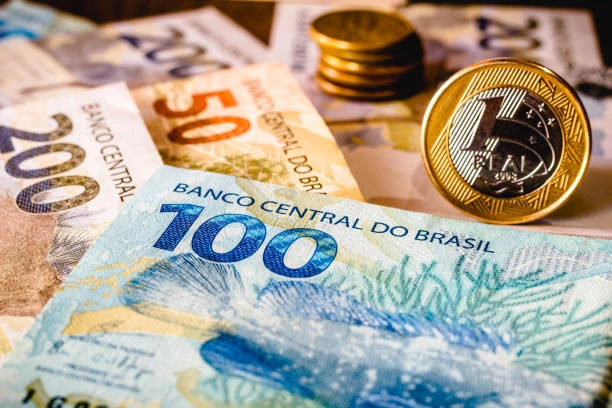
Brazil's Economic Potential Rises, but Fiscal Challenges Persist
Brazil’s Economic Potential Rises, but Fiscal Challenges Persist.
One-stop reference
Company Intelligence
Every listed company in Latin America — financials, ownership and structure for 1,450+ companies across 26 exchanges, in one place.
Browse the directory →
RT
Ask Rio Times
This story and the bigger picture.
Open the full Ask Rio Times →

However, he advises caution due to the uncertainty of these measurements. The financial market remains skeptical about Brazil‘s growth potential.

The Focus survey revised its growth capacity estimate from 2.5% to 2% following the pandemic. A recent poll by the Monetary Policy Committee (Copom) revealed a bleak outlook from market analysts.

Despite market skepticism, Brazil’s economy has grown faster than economists predicted. This growth has been accompanied by falling inflation, puzzling observers.

Central Bank’s Revised Economic Outlook

The Central Bank recently revised its assessment of economic slack, now indicating the economy was at or above capacity in the past two years.

Economic reforms since Temer’s government have contributed significantly to this performance. The IMF report includes an analysis of the labor reform’s effects.

While Bolsonaro’s government implemented important reforms, environmental and democratic setbacks deterred investors. At the start of Lula’s government, market estimates for potential GDP dropped to 1.8%.

Concerns about increased tax burdens affecting productive investments influenced this view. As the economy improved, estimates rose back to 2%.

The recently approved tax reform under Lula’s government could further increase potential GDP. However, the market seems to underestimate its impact.

Before the reform’s promulgation, the five-year potential GDP estimate was 1.9%, rising to 2% after approval. Despite the potential for higher economic growth, fiscal challenges remain.

A rough rule of thumb suggests government debt stabilizes when economic growth equals the real interest rate. The Central Bank’s optimistic long-term interest rate projection is 4.75%.

Even with 2.5% GDP growth, Brazil needs a primary surplus of 2.25% of GDP to address its fiscal issues. Most economists doubt the government will achieve this goal in the coming years without structural fiscal reforms.

Moody’s shares this assessment but maintains a positive outlook for Brazil’s credit rating, signaling confidence in future problem-solving. The road ahead for Brazil’s economy remains complex, balancing growth potential with fiscal responsibility.

This article was produced by The Rio Times’ automated newsroom system. How we use AI · Report an error

Read More from The Rio Times

The Rio Times · Power Map
See who really holds power in Latin America
Click to open the Power Map

Rotate for Best Experience

This report is optimized for landscape viewing. Rotate your phone for the full experience.