An Ipsos survey reveals that 61% of Brazilians have seen or heard about drug trafficking crimes in their neighborhoods over the past year.
This figure places Brazil at the top among 31 countries surveyed, with a global average of 37%.
Following Brazil, Chile reports 60% and Colombia 54%, while Israel (15%), Poland, and New Zealand (both 22%) have the lowest percentages.
In terms of illicit drug consumption, 72% of Brazilians have witnessed this behavior in their areas, surpassing the global average of 51%.
Colombia leads this category with 80%, and Israel records the lowest at 22%.
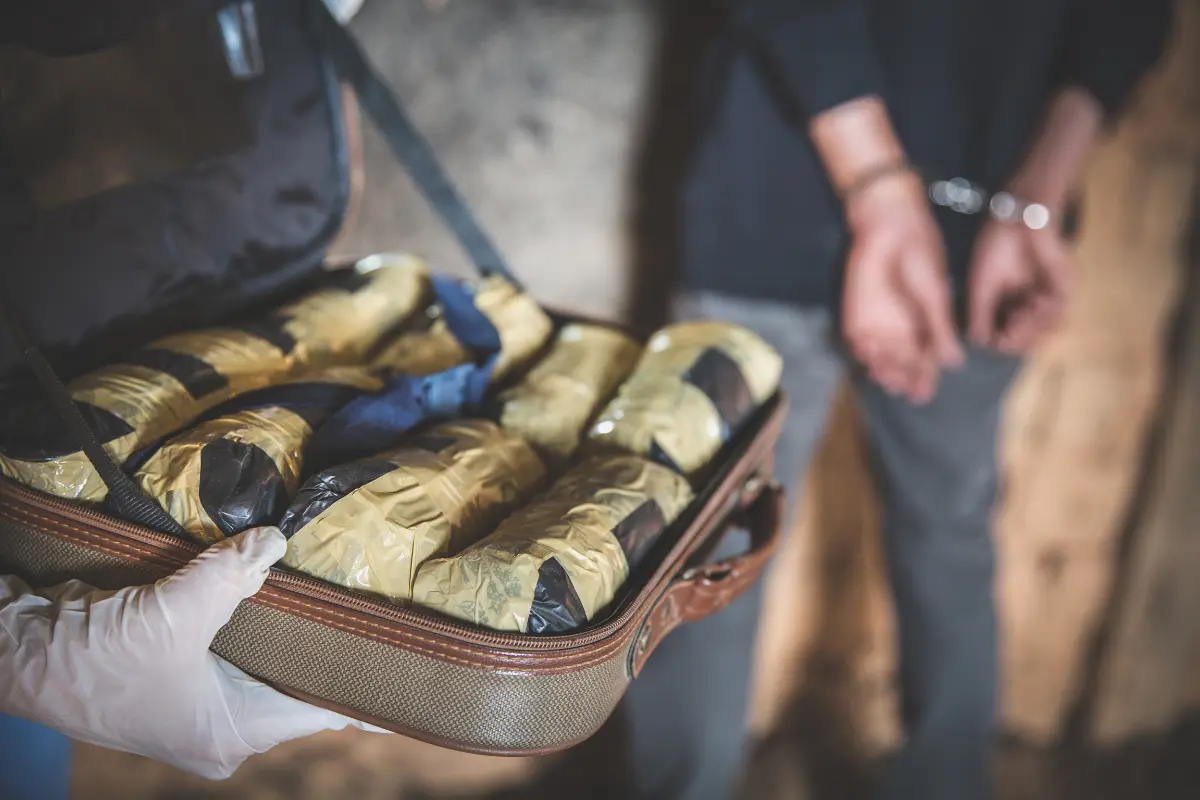
Main Causes of Crime in Brazil
The survey identifies the main causes of crime in Brazil as perceived by its population:
Poverty and unemployment: identified by 49% of Brazilian respondents, this is also the most cited cause globally at 53%.
Poor education is considered significant by 44% of Brazilians; globally, it is the fifth most important cause, mentioned by 32%.
Drug and alcohol abuse is seen as relevant by 37% in Brazil, compared to 43% globally.
Ineffective Law Enforcement: Perceived by 36% of Brazilians as contributing to crime, similar to the global average of 37%.
Perceptions of violence
Nearly half of Brazilians (48%) reported seeing or hearing about robberies in their neighborhoods over the past 12 months, placing Brazil 10th in the world ranking.
South Africa leads with 81%, followed by Turkey (66%), New Zealand (57%), Belgium (55%), and Ireland (55%).
On the lower end, Colombia (30%), Israel (33%), and Hungary (34%) report fewer instances. The global average is 46%.
Additionally, 44% of Brazilians believe that a lack of basic education is a major cause of crime and corruption in their neighborhoods, above the global average of 32%.
Perceptions Versus Reality
Understanding the relationship between public perceptions and actual crime statistics in Brazil involves several key figures:
Homicide Rate: In 2021, Brazil’s homicide rate was 21.26 per 100,000 inhabitants, one of the highest in the world.
However, there has been a decline in recent years, with 40,429 homicides recorded in 2023, the lowest in 14 years.
Overall Crime: Despite the decrease in homicides, the perception of insecurity remains high.
In 2023, 36% of Brazilians believed violence would increase, even with the declining homicide rates.
Corruption: Corruption continues to be a significant issue in Brazil, affecting perceptions of safety and the effectiveness of law enforcement institutions.
Context and Implications
Brazil’s high figures in drug trafficking and consumption highlight a significant challenge for the country. These statistics suggest a broader issue of social and economic factors influencing crime.
High rates of poverty, unemployment, and inadequate education create environments where criminal activities can flourish.
Addressing these root causes requires comprehensive strategies involving economic development, education reform, and robust law enforcement.
Reducing drug trafficking and consumption would likely decrease overall crime rates, improving the sense of security among the population.
Globally, these findings matter as they provide insights into how social conditions correlate with crime. Countries can learn from Brazil’s experiences to better address their own challenges.
Understanding the perceptions and realities of crime helps governments create policies that effectively reduce crime and enhance public safety.
Brazil’s journey in tackling these issues serves as a reminder of the complex interplay between socio-economic conditions and criminal behavior.
By addressing underlying causes, Brazil and other nations can move towards a safer, more secure future for their citizens.
More: Brazil news in English, every day from The Rio Times.
This article was produced by The Rio Times’ automated newsroom system. How we use AI · Report an error
Read More from The Rio Times