Brazil’s $140 Billion Environmental Disaster Toll: Floods and Solutions
Brazil has suffered a loss of R$792.7 billion ($141.55 billion) due to environmental disasters from 1991 to 2023. A study by Fiemg (the Federation of Industries of the State of Minas Gerais) reveals this significant impact.
The study also shows that disaster occurrences increased by 140% from 2015 to 2022. Brazil’s geographical position protects it from hurricanes, earthquakes, and tsunamis.
However, the country faces other types of disasters. Fiemg’s research identified that Brazil mainly experiences climatological, meteorological, and hydrological catastrophes.
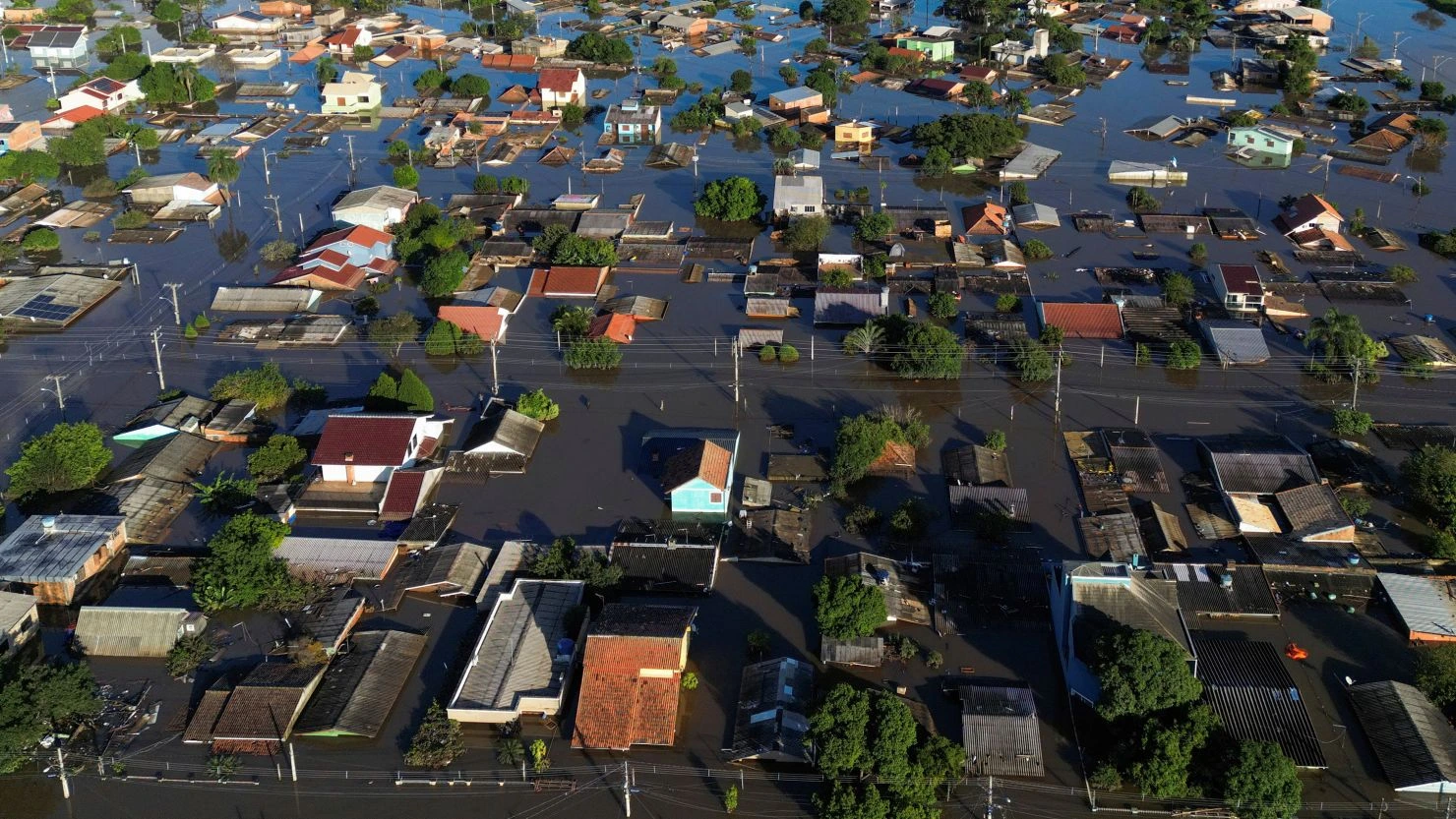
Climatological events, such as droughts and forest fires, accounted for 56.5% of total losses. Hydrological disasters, including floods, proved the deadliest. Brazil recorded 67,230 environmental incidents during this period, resulting in 5,142 deaths.
Hydrological disasters caused 4,288 deaths, or 83.4% of the total, despite representing only 39% of occurrences. Fiemg attributes the rise in incidents over the past eight years to climate change and a lack of government planning for disaster prevention.
The study suggests hydroelectric plants with reservoirs as a potential solution. These plants could produce clean energy and absorb large amounts of rainfall in their reservoirs.
However, this approach differs from run-of-river hydroelectric plants, which use river currents for energy without storing water.
Advocating for Flexible Environmental Laws
Flávio Roscoe, Fiemg‘s president, advocates for more flexible environmental laws to enable large reservoir projects. He argues that these projects could prevent deaths and material losses while producing affordable energy.
The study cites the Três Marias hydroelectric plant in Minas Gerais as an example. In January 2022, this plant managed to control rainfall 102% above the historical average for the month in one day.
Conversely, the Guaíba River, which flooded in Rio Grande do Sul, has three main run-of-river hydroelectric plants. These plants couldn’t retain the large water volume. The study suggests that a plant with Três Marias’ capacity could control 67% of the river’s flow in the affected area.
This comprehensive approach to energy production and disaster mitigation presents an intriguing solution to Brazil’s environmental challenges. It balances economic interests with environmental protection, potentially offering a path forward for the country.
More: Brazil news in English, every day from The Rio Times.
This article was drafted with automated assistance and reviewed before publication. How we use AI · Report an error
Read More from The Rio Times